
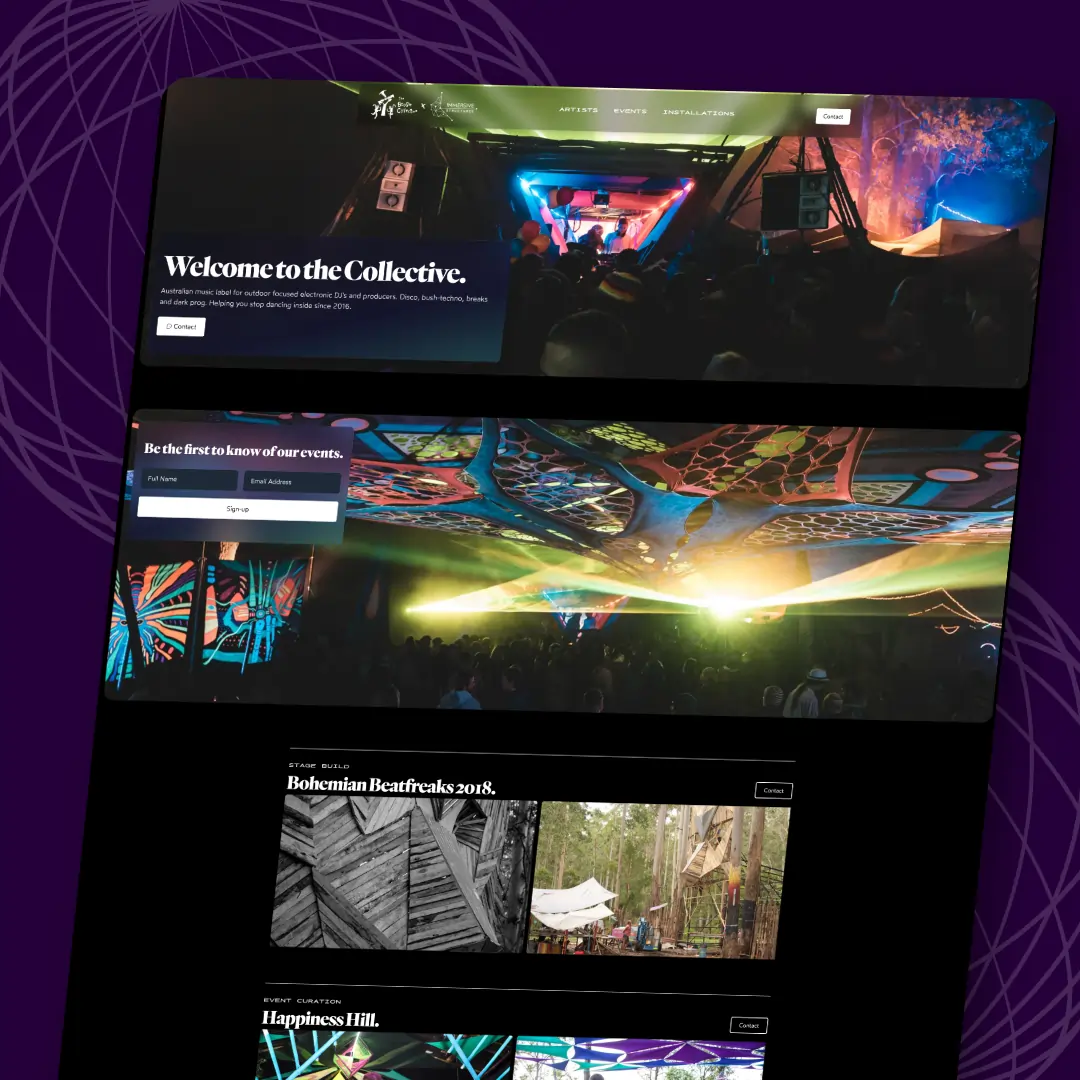
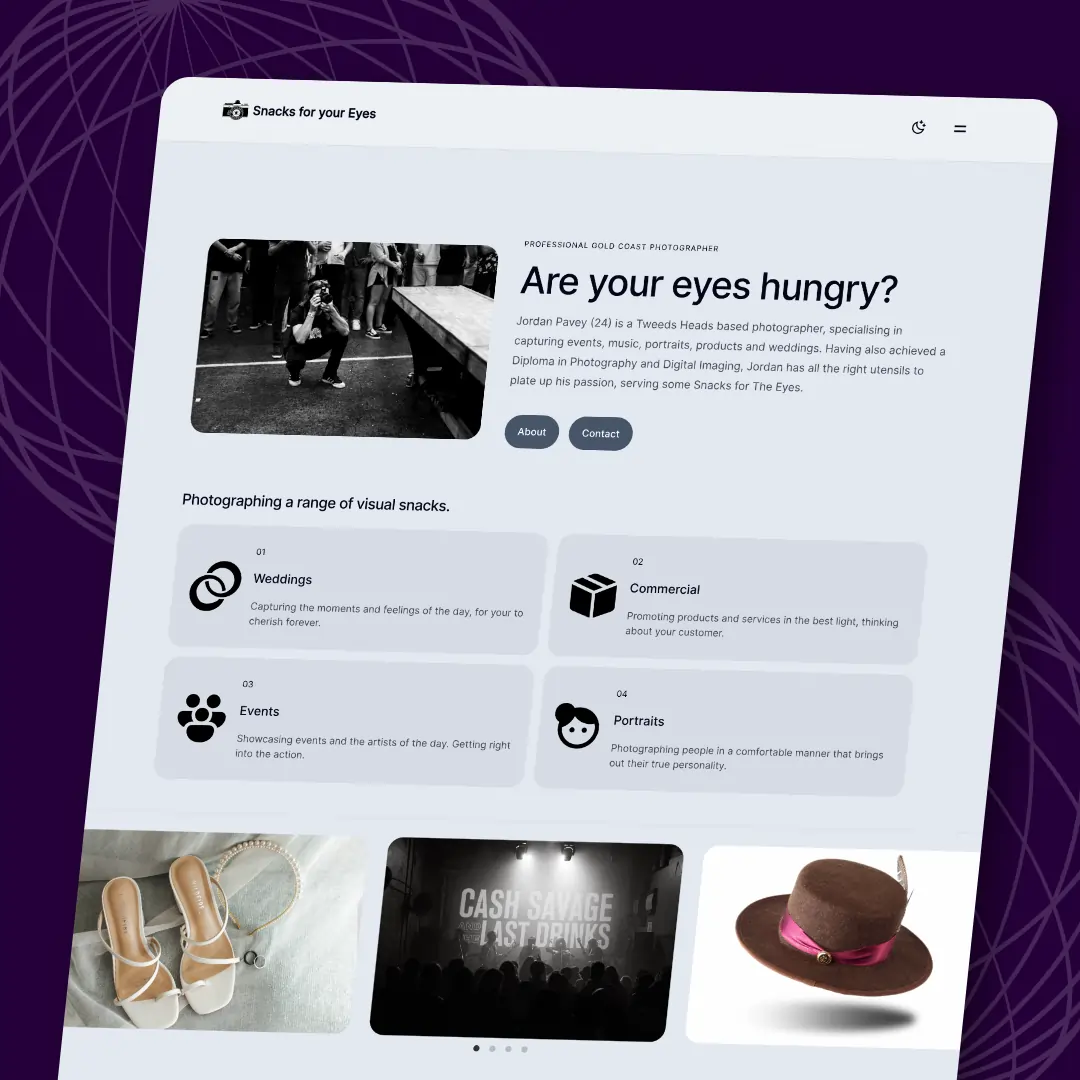

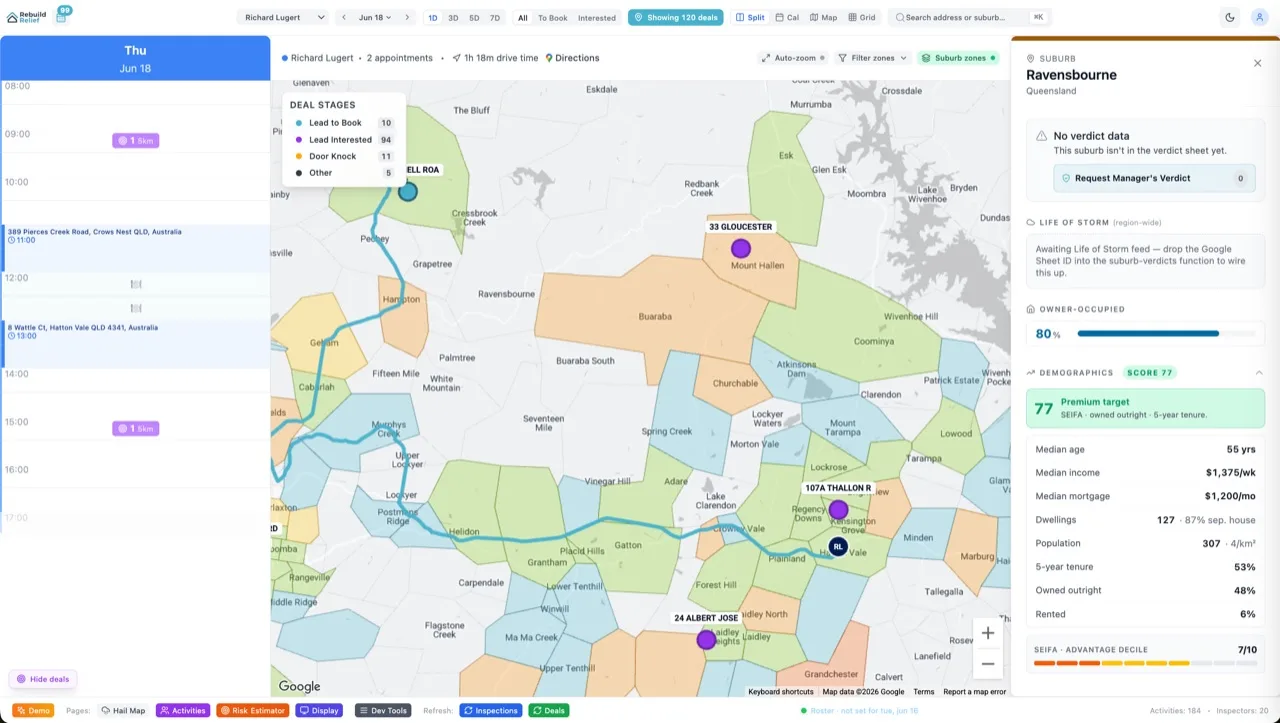

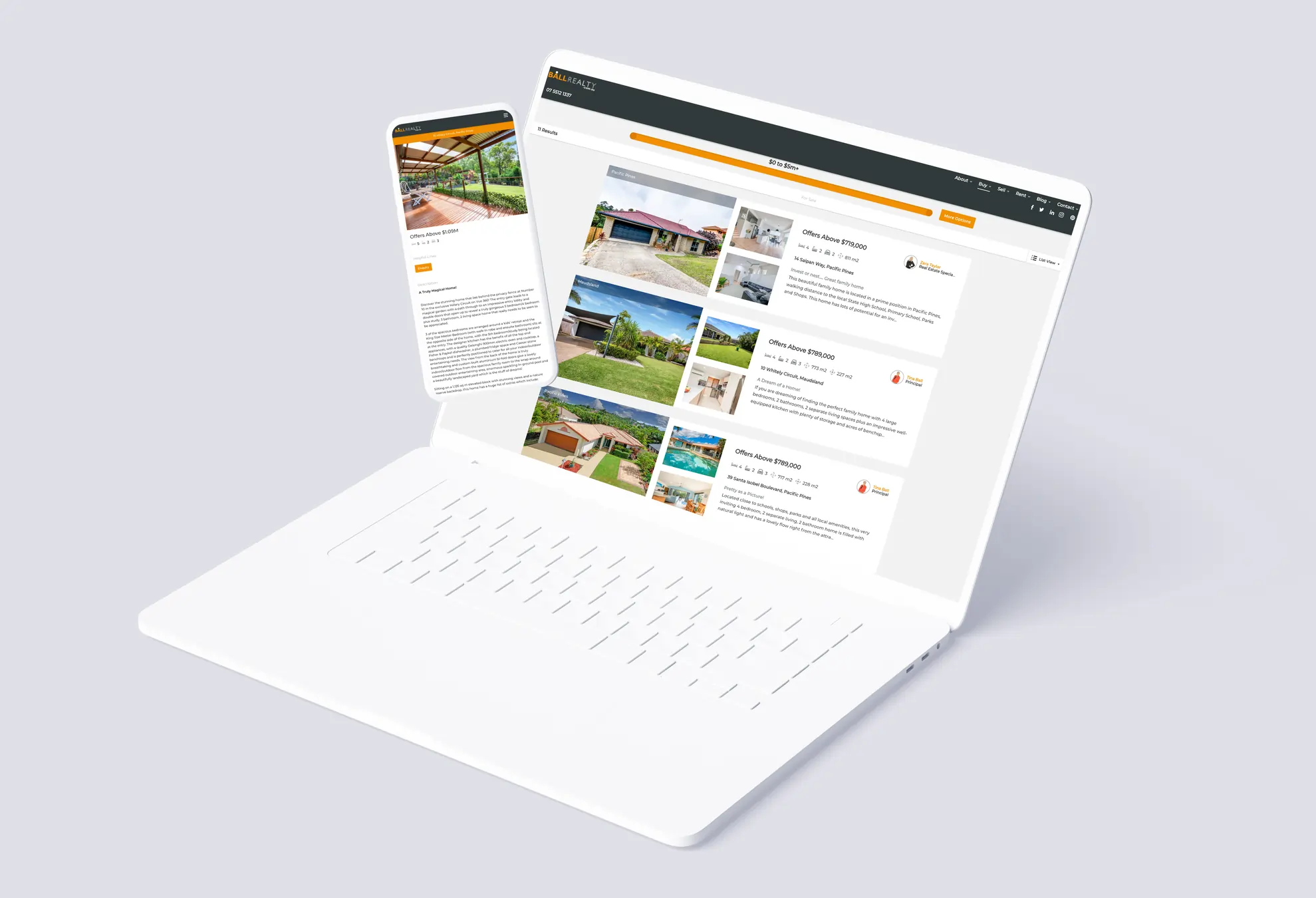
In a competitive digital landscape, having a visually appealing website is not enough. Conversion-focused web design tailored to your specific niche is what turns visitors into customers — and it is the single biggest difference between a site that looks nice and a site that pays for itself. Built for Australian businesses — see web design on the Gold Coast for how this works on a real project.
Generic layouts fail because they are designed for nobody in particular. A template built to suit every business suits none of them well. Here is how to design for your niche instead, and why it works. (For the full playbook, see our complete guide to conversion-focused web design.)
Why Generic Layouts Fail Your Niche
A tradie's customer wants a quote in 30 seconds. A boutique consultancy's customer wants to read case studies before they will even consider a call. Put both audiences on the same template and you lose them both.
Conversion-focused design for your niche starts from a simple premise: your website exists to move one specific type of person toward one specific action. Every layout decision, every headline, every button either serves that journey or gets cut.
Know Your Target Audience — Actually Know Them
To design a website that resonates, you need a deep understanding of your audience's needs, preferences, and pain points. Conduct real market research, analyse customer demographics, and gather feedback from the people who already buy from you.
Turn those insights into user personas that represent your ideal customers — not marketing fluff, but working documents that answer practical questions. What device are they on? How much do they already know? What objection stops them from buying?
When you know your audience inside and out, design decisions stop being taste debates. They become answers to the question: does this help our specific customer take the next step?
Create Clear Calls-to-Action That Match Buying Intent
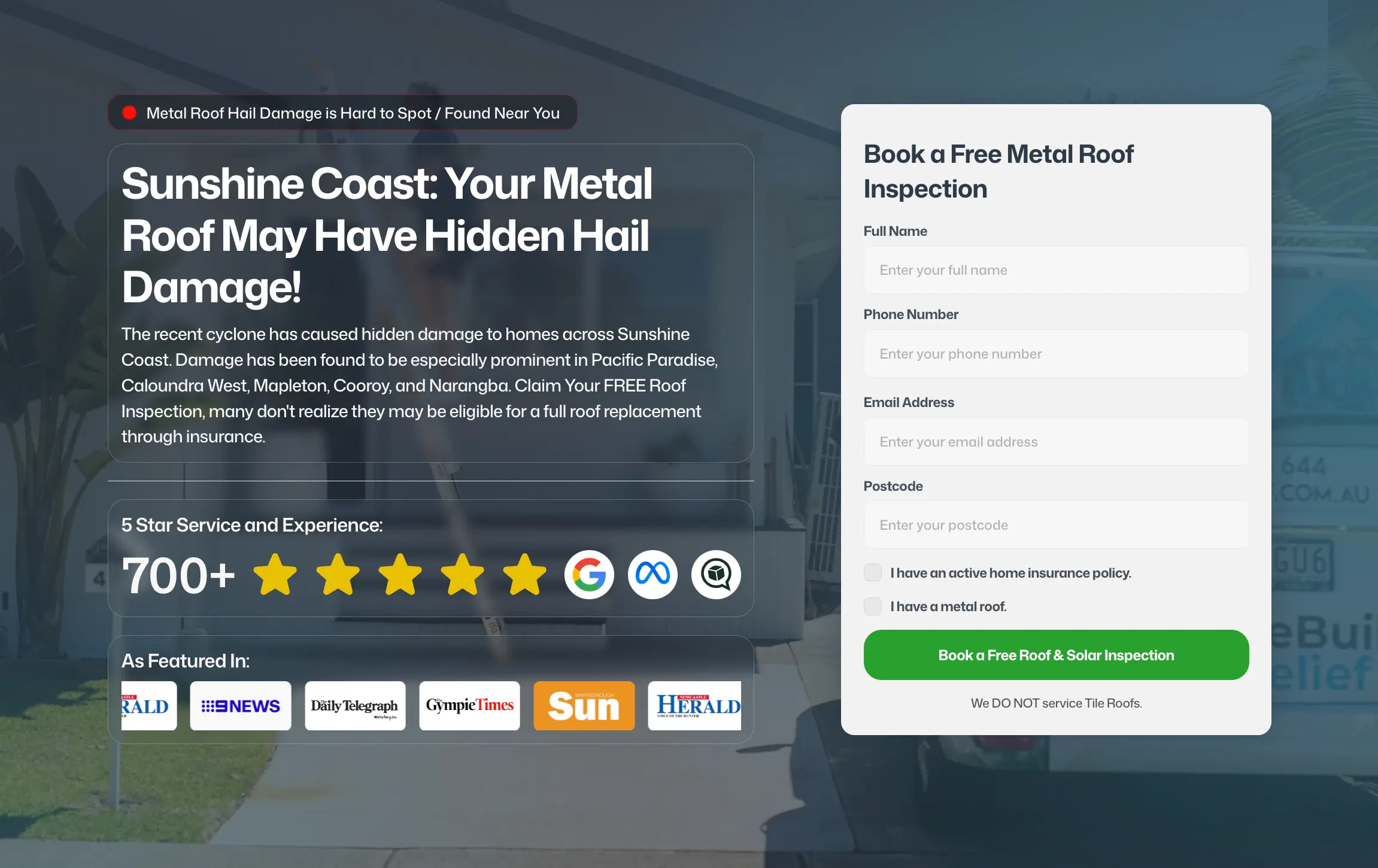
Effective calls-to-action guide visitors toward the action that matters for your niche — a purchase, a booking, a consultation request. Your CTAs should be clear, concise, and visually prominent, with contrasting colours and compelling copy.
The niche part is matching the CTA to buying intent. An emergency plumber's CTA is a phone number, big and tappable. A SaaS product's CTA is a free trial. A high-ticket service's CTA is a low-friction call booking. Same principle, completely different execution.
And always optimise CTAs for mobile. If the primary action on your site takes more than one thumb tap to start, you are leaking conversions.
UX Decisions That Drive Conversions
A positive user experience is the engine of conversion. This is where design stops being decoration and starts being measurable revenue.
Simplify structure and navigation
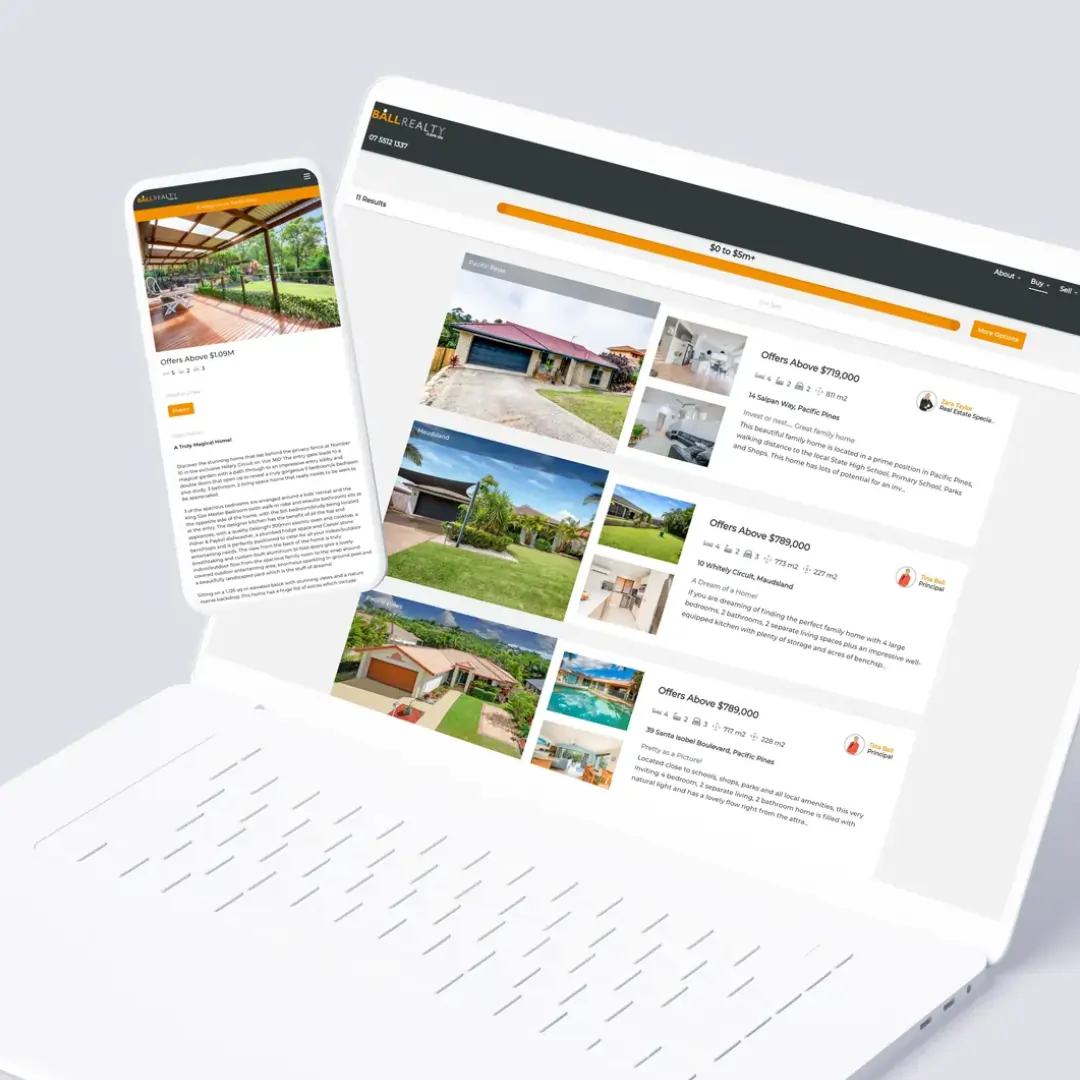
Organise content logically around your customer's questions, not your org chart. Use intuitive navigation, keep menus short, and make the path from landing to action obvious. Every extra decision point is a place where visitors drop off.
Speed is a conversion feature
Page loading speed directly affects bounce rate. Slow sites bleed visitors before your design ever gets a chance to persuade them. We build every site to load in under a second with 95+ PageSpeed scores, because fast sites convert and slow ones do not.
Responsive by default
Your niche audience is on their phone. Responsive design is not a checkbox — the mobile experience needs to be complete and frictionless, because for most niches it is the majority experience.
This is the craft behind our UX design service: mapping your specific customer journey and removing every point of friction along it.
Show Social Proof That Speaks Your Customers' Language
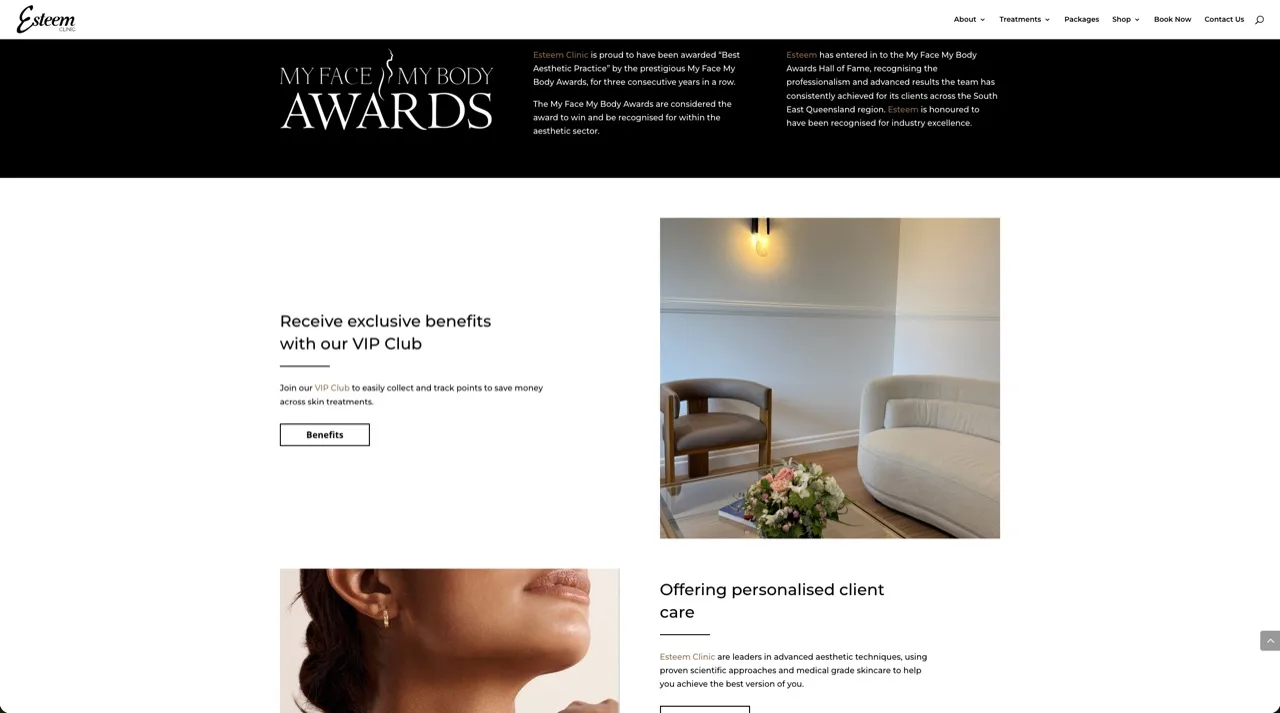
Social proof builds trust — but only when it is relevant to your niche. Testimonials, reviews, case studies, and client logos reassure visitors they are making the right choice.
Specificity wins. A generic five-star quote does less work than a testimonial from someone your visitor recognises as being just like them, describing the exact problem they have. Highlight results, success stories, and achievements your niche actually cares about.
Placement matters as much as content. Proof works hardest right next to the decision it de-risks — a testimonial beside the pricing table, a review count beside the booking button, a case-study result beside the CTA. Social proof buried on a separate page persuades nobody, because the visitor who needed it never went looking.
Persuasive Copy and Visuals for Your Market
Compelling copywriting is a core component of conversion-focused design. Craft engaging headlines, concise descriptions, and persuasive sales copy that highlights the unique benefits of your offering — in the language your niche uses, not industry jargon.
Visuals carry the same responsibility. Use high-quality images and graphics that align with your brand and resonate with your target audience. Invest in real photography where you can; stock imagery that could belong to any business tells visitors you are a business like any other.
Test, Measure, and Optimise Continuously
Conversion-focused design is an iterative process, not a launch-day event. Test different design elements, CTAs, layouts, and content variations. Use A/B testing to compare versions and measure their real impact on conversions.
Analyse user behaviour, track your metrics, and let data settle design arguments. The sites that win in any niche are the ones that keep evaluating and improving after launch — small, compounding gains beat one big redesign every three years.
Start with the basics: which pages do visitors land on, where do they drop off, and what did the ones who converted do differently? Even simple analytics answers those questions, and every answer is a design brief for the next iteration.
The Verdict
Designing a conversion-focused website for your niche means understanding your audience deeply, building CTAs around their buying intent, engineering a fast and frictionless experience, and backing it all with relevant social proof and continuous testing.
Generic layouts fail because they were never designed for your customer. After 120+ projects, the pattern is unmistakable: the sites that convert are the ones designed around one audience and one action. Ready to build one for your niche? That is exactly what we do.