The Boogie Collective
E-Commerce Powered Web Design and Digital Marketing for an Event Website.
Imagine generating $50k in sales for your event without spending a single dollar on advertising. It’s possible with the power of viral marketing. In the events industry, viral marketing can be a game-changer, enabling you to reach a massive audience and create buzz around your event. The Boogie Collective’s story demonstrates how strategic website design, community engagement, influencer partnerships, and organic social media momentum can drive significant revenue without relying on paid advertising budgets. As a Gold Coast web designer and digital marketer, I helped this events collective transform their online presence into a powerful sales and community-building engine.
Wordpress Website Design and Marketing Management
Viral Marketing for Generating Over $50k in Sales, $0 in Ad Spend.
Improving market share and competitiveness for a Gold Coast real estate business, through Wordpress website optimisation, interactive ads, and much more.
Viral Marketing Strategies
Custom Web Design in the Events Industry.
The key to viral marketing is creating content that is shareable and sparks curiosity. Develop engaging videos, captivating images, or intriguing stories that pique the interest of your target audience. Incorporate elements of surprise, humor, or emotional appeal to make your content more likely to be shared across social media platforms. Remember, shareable content has the potential to reach thousands or even millions of people organically.
Marketing Campaign Strategies for Reducing Ad Spend
Encouraging Viralality to Marketing.
Engagement is key to building a viral marketing campaign. Find creative ways to involve your target audience in the event planning process. Encourage them to contribute ideas, vote on event features, or participate in challenges or competitions related to your event. This not only generates excitement but also creates a sense of ownership and community around your event. Engaged participants are more likely to share their experiences and promote your event to their networks. Collaborating with influencers in the events industry can significantly amplify your viral marketing efforts. Identify influencers who align with your event’s theme and target audience. Engage them to promote your event through sponsored posts, live videos, or attending as guest speakers. Influencers have established followings and can help generate buzz and reach a wider audience, resulting in increased ticket sales and event participation.
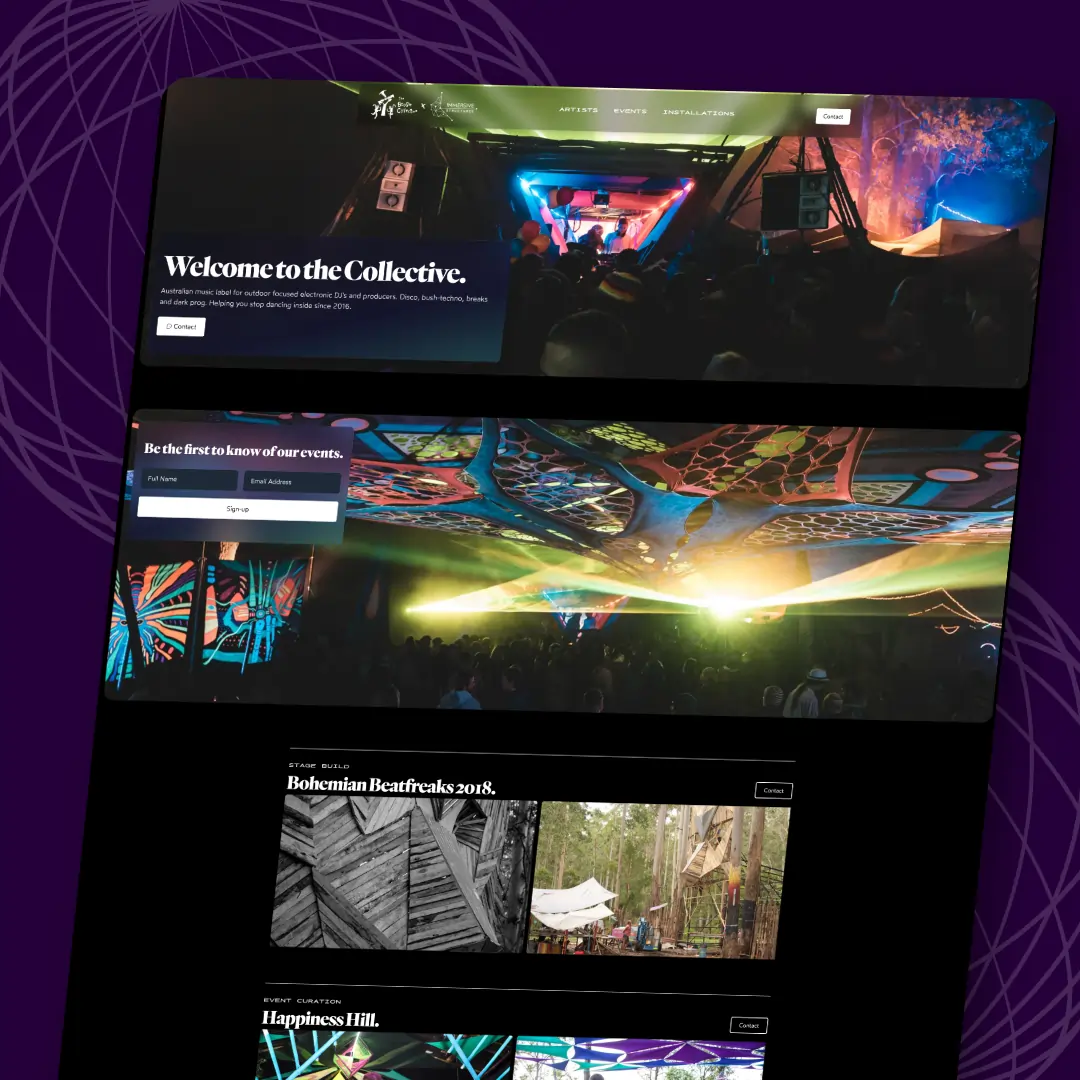
User-generated content is a powerful tool for viral marketing. Encourage event attendees to share their experiences through photos, videos, or testimonials. Create interactive elements at your event that prompt attendees to capture and share their moments on social media. Highlight the best user-generated content on your event’s website or social media channels to showcase the excitement and authenticity surrounding your event. The Boogie Collective’s website serves as the central hub connecting their event calendar, merchandise store, artist collaborations, and community. The design is bold and energetic, reflecting the music and dance culture that drives their community. High-quality photography from past events creates FOMO (fear of missing out) — users seeing the energy and fun of previous events want to attend the next one. The event listing pages feature countdown timers, lineup information with artist bios and links to their work, venue details with parking and transport information, and a prominent ticket purchase CTA. By keeping customers on the Boogie Collective domain throughout the booking flow, the experience feels cohesive and branded — customers feel they’re buying tickets from the artists themselves, not from a faceless ticketing platform. Behind-the-scenes content reveals the work that goes into events. Videos of setup, rehearsals, and artist preparation build anticipation. Blogs about artist selection process, venue choices, and theme development educate fans and deepen their connection to the community. Email newsletters keep subscribers updated on upcoming events before general announcement, creating VIP status for engaged fans. Social media strategy centers on community participation. The Boogie Collective creates branded hashtags for each event. During the event, they repost attendee content using these hashtags, creating a feedback loop where attendees see their photos amplified and want to attend future events to get featured again. Hashtag challenges encourage creative content from the community. Influencer partnerships amplified reach. Local DJs, dancers, musicians, and event influencers who loved Boogie Collective events became organic advocates. The team provided them with free tickets, early event access, and featured them as guest artists. These influencers’ followers often overlapped with Boogie Collective’s target audience, creating natural audience expansion. Email marketing segments audiences by engagement level. Hardcore fans who attend multiple events get first access to presale tickets and VIP upgrades. Casual attendees get general event announcements. Lapsed fans (haven’t attended in 6+ months) get special comeback offers. Subscribers who’ve bought merchandise get merch-focused communications. Referral incentives encouraged attendees to invite friends. "Bring a friend, get $10 off your next event" creates group attendance and word-of-mouth marketing. Each friend who attends earns both the referrer and referee rewards, creating a virtuous cycle. Content repurposing maximized the value of every piece of content created. A single event photoshoot generates: social media posts across Instagram, TikTok, and Facebook; blog post recaps; email newsletter content; website gallery updates; and merchandise featuring event photos. Video from the event becomes social media clips, YouTube content, and promotional material for future events. The website analyzes which content resonates most. Which artists draw the largest crowds? Which event themes are most popular? Which time slots have the highest attendance rates? This data guides future event planning, ensuring resources go toward what the community actually wants. The Boogie Collective’s success demonstrates that viral marketing isn’t magic — it’s the result of creating genuinely shareable experiences, building community engagement, and removing friction from the purchase process. Their $50k event revenue with zero paid advertising came from hundreds of people choosing to share their positive experiences organically.
Marketing Strategies Specific to your Industry
Social Media Focused Marketing
Social media platforms are a viral marketer’s best friend. Identify the platforms that are most relevant to your target audience and establish a strong presence there. Encourage event attendees and enthusiasts to share their excitement about your event on social media by creating event-specific hashtags and running contests or giveaways. Engage with your audience, respond to their comments, and amplify their posts to further extend the reach of your event’s messaging.

Want to Generate More Sales?
Let's connect.
Measuring Success and Scaling
From single events to a sustainable event brand.
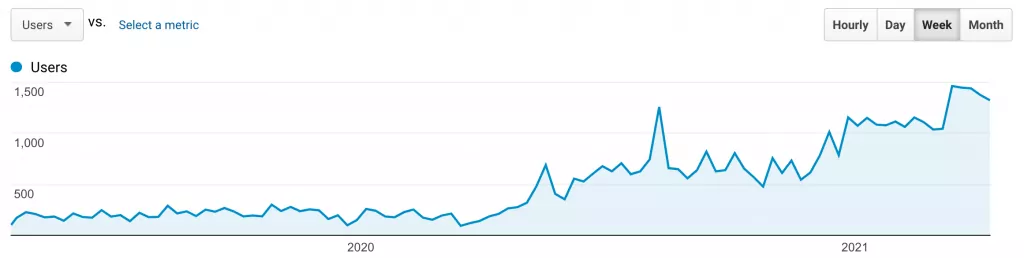
The $50k in revenue without paid advertising came from careful measurement and optimization. Analytics tracked which social media posts drove the most traffic. Email segmentation showed which types of communications converted best. Event feedback surveys revealed what attendees loved and what could improve. Over time, this data informed strategy. If outdoor events consistently sold out while indoor events had slower sales, future investments went toward outdoor venues. If a particular artist's performances drove ticket sales more than others, that artist got featured in more promotions. The viral marketing approach proved sustainable. Rather than relying on advertising spend (which ends the moment you stop spending), the Boogie Collective built organic growth through authentic community engagement. Each event was better because it learned from the previous one. Scaling the platform meant adding capacity without losing intimacy. Larger venues could accommodate growing demand. Better logistics managed larger crowds. But the core community-focused approach remained unchanged. The economic model is healthy. Ticketing revenue funds artist fees and venue costs. Merchandise sales add margin. Email subscribers become repeat customers. This diversified revenue model is more resilient than relying on single revenue stream. For events companies and artists, the lesson is clear: build your own platform, don't depend on third-party ticketing platforms that take significant cuts and prevent direct customer relationships. Invest in website presence, email marketing, and community building. The short-term cost is offset by long-term brand building and revenue growth.




From the blog
Latest thinking
Tech news, design insights, and development deep-dives from the Gold Coast.