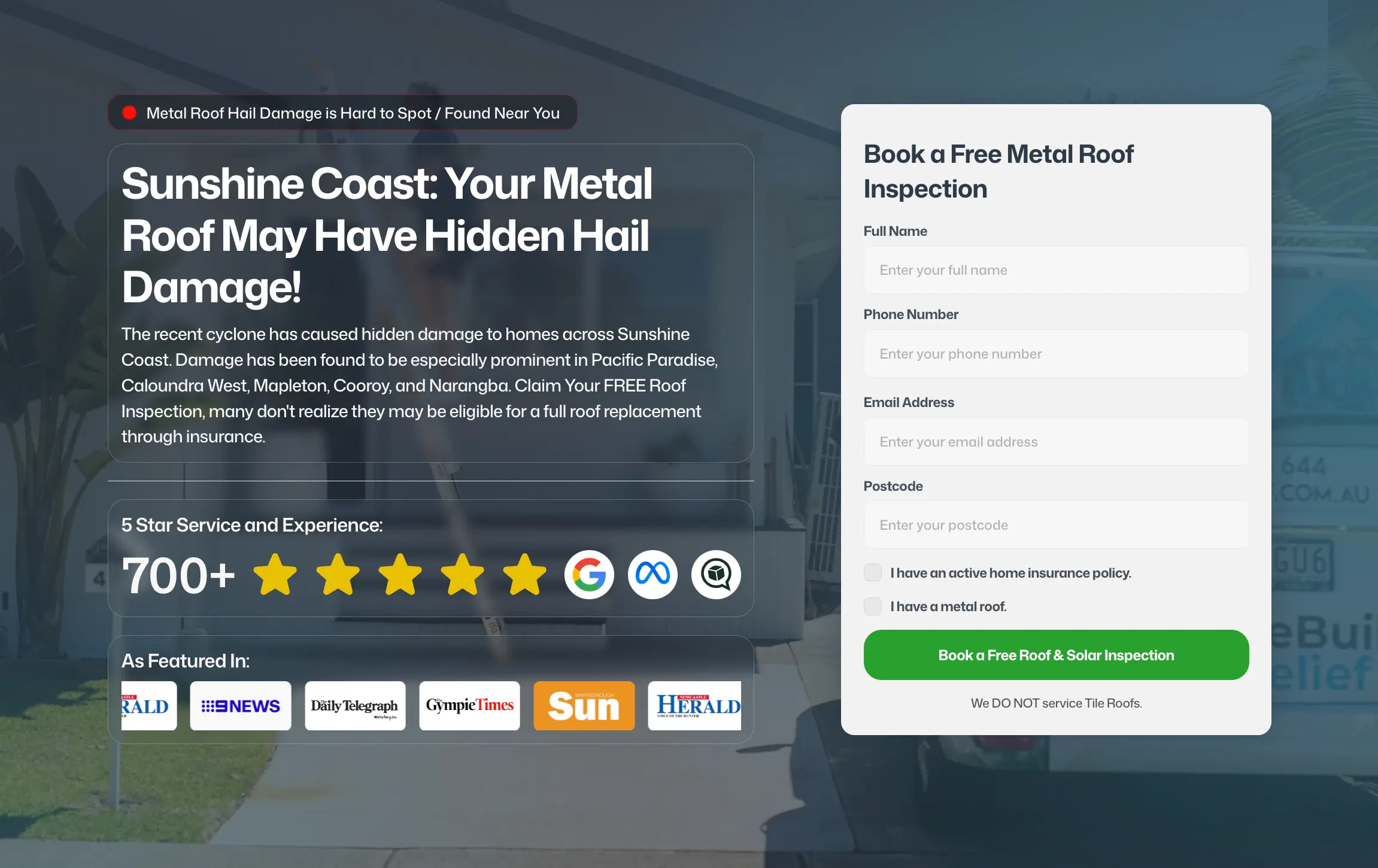

Aidxn Design isn't a single-discipline shop. It's a one-person studio that moves across eight different service areas: web design and development, brand strategy and identity, digital marketing (Google Ads, Meta, SEO), graphic design (logos, print, motion), creative coding (Three.js, p5.js, GLSL shaders), video production (motion graphics, ad spots), data engineering (Python pipelines, BigQuery), and AI consulting (Claude integration, AI workflow automation). What that means in practice: you don't hire separate firms for each piece. You hire one person who thinks across all eight simultaneously.
This isn't a flex — it's a delivery advantage. When your brand refresh happens at the same time as your website launch, and the same person designed both, they're guaranteed to land together. When your ad campaign reflects the exact message architecture built into your site copy, it's because one mind architected both. When your data pipeline feeds into your marketing dashboard which sits next to your service pages, nobody's trying to translate between tools and teams.
Web Design & Development — The Anchor Service
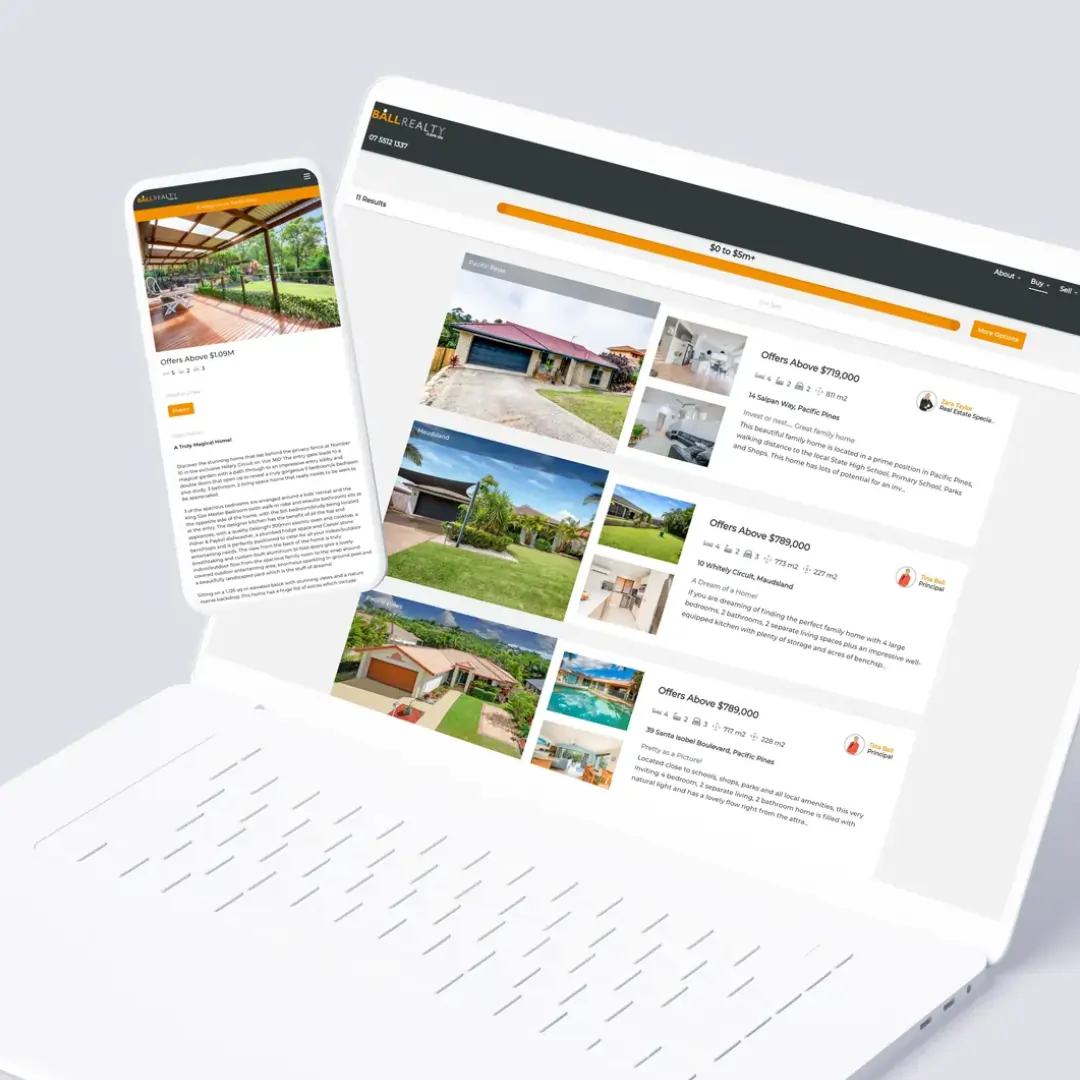
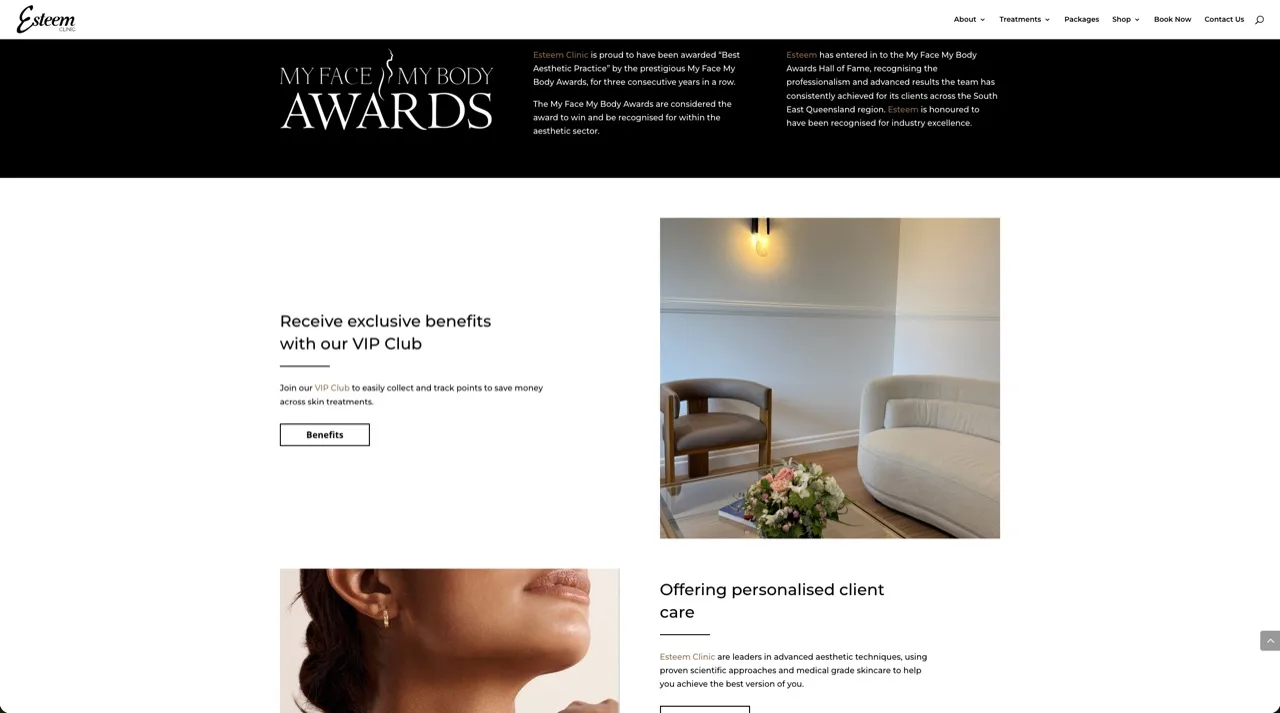
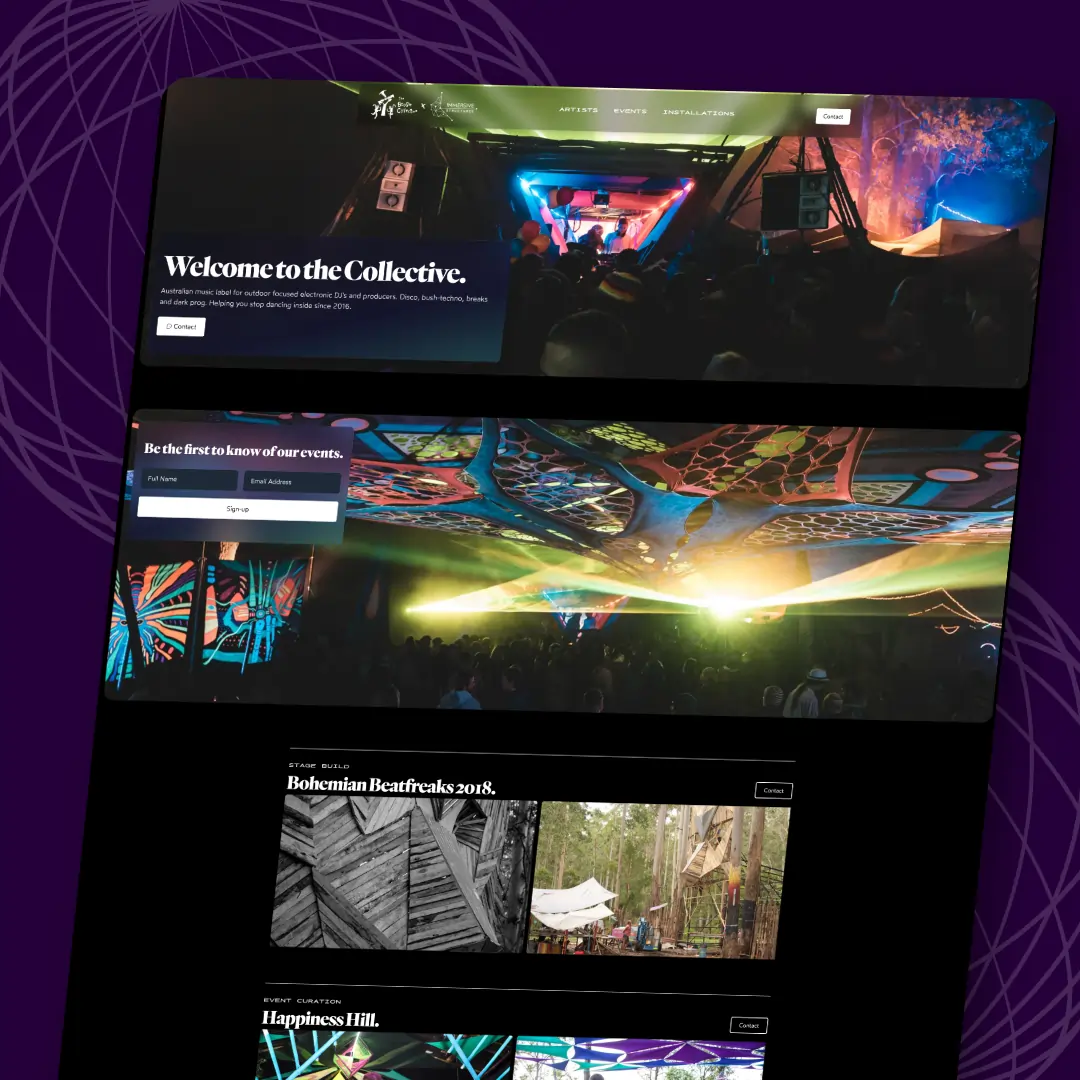
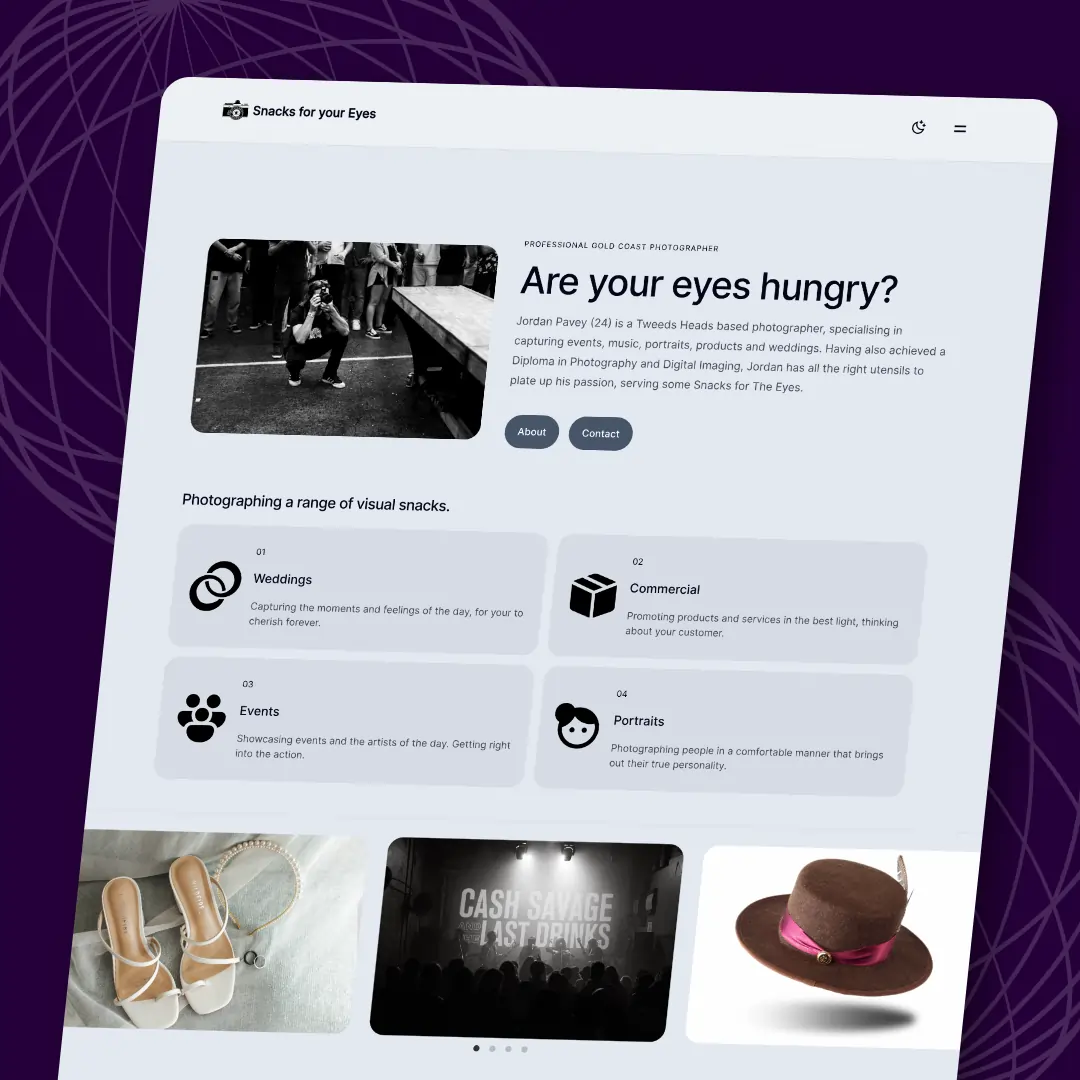
The core offering: custom websites from scratch or redesigns of existing ones. Astro, Next.js, React, TypeScript, Tailwind, Supabase — the full modern stack. This includes dark mode, animations, SEO optimization, and analytics instrumentation. A typical project is a 5–10 page marketing site or SaaS dashboard, shipped in 4–8 weeks depending on complexity and iteration cycles.
Deliverables: a fully responsive site (desktop to mobile), source code on GitHub (yours or private), deployed to Netlify with CDN caching and image optimization, Supabase backend if data storage is needed, email or payment integration if revenue is on the table. The site is yours to maintain or hand off to another dev — I ship code, not black boxes.
Entry point: $8k–$15k for a five-page marketing site. $15k–$30k for a SaaS dashboard with authentication and Postgres schema. Maintenance retainers are $1k–$2k/month for ongoing updates.
Brand Strategy & Visual Identity
Before you can design a website, someone has to answer the hardest question: who are you and why does that matter? Brand strategy starts there: voice, positioning, target audience, visual system (colour, typography, imagery style), and messaging architecture. It's usually a 2–4 week process of workshops, competitive analysis, and iteration on a brand book.
The output is a comprehensive brand guide: logo design (vector SVG, not raster), colour palette with Tailwind values, typography pair (headlines + body), icon system, photography style guide, voice and tone document, and sample applications (how the brand looks on a website, business card, email, social media). The whole suite fits in a Figma file you can hand to contractors or keep internal.
Entry point: $3k–$8k for a brand refresh (existing company, new direction). $8k–$15k for a full identity from scratch (startup, rebrand, new division). Includes up to five rounds of logo exploration and two rounds of brand guide feedback.
Digital Marketing — Google Ads, Meta, SEO
Building a beautiful site means nothing if nobody knows it exists. This is Google Ads (search intent), Meta Ads (awareness + retargeting), and SEO (organic visibility). The approach is data-first: set up conversion tracking, run small experiments, measure, pivot. It's not about vanity metrics — impressions don't matter. Clicks don't matter. Conversions matter.
Typical projects: launch a Google Ads campaign for a service (home repair, consulting, SaaS trial), set up Meta retargeting after website visitors drop off, audit and improve organic search rankings through on-page optimization and content strategy. Budget is usually $1k–$5k/month on ads, with strategy and optimization on top of that.
Entry point: $500/week for campaign management and optimization (minimum 4-week commitment). $2k one-time for audit and strategy on existing campaigns. If you don't have tracking set up, add $1k for instrumentation.
Graphic Design — Logos, Print, Motion
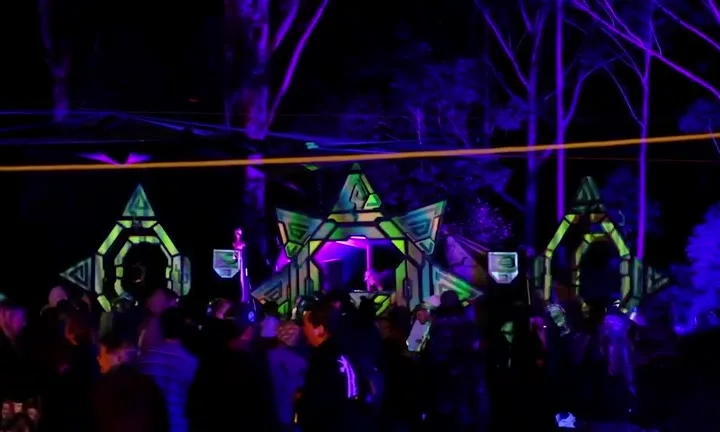
Everything visual that isn't web: logo design (covered above under brand strategy, but also available standalone), print collateral (business cards, letterheads, envelopes), packaging, presentations, and motion graphics (animated title sequences, explainer videos, kinetic typography). This includes one-off requests like social media templates, infographics, or event branding.
Deliverables: source files (Figma, Affinity Designer, or After Effects), export assets in every format you'll need (SVG, PNG, PDF, mov), and usage guidelines so whoever maintains the files later knows what's locked and what's flexible.
Entry point: $800–$2k for a single graphic (poster, social post, presentation template). $2k–$5k for a print suite (cards, letterhead, envelope). $5k–$15k for motion graphics (30-second ad, title sequence, animated explainer).
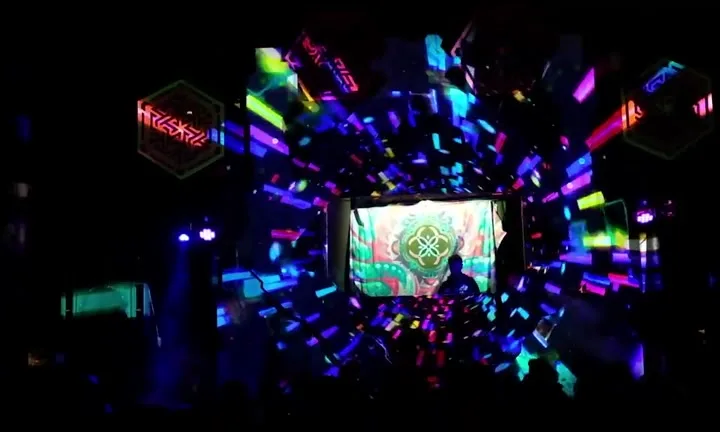
Creative Coding — 3D, Shaders, Generative Visuals
This is where the math breaks if you hire separately. A motion-graphics artist for a custom shader background wants $50k. A 3D artist for a bespoke Three.js scene wants months of work. When one person knows design intent AND GLSL and JavaScript and React, the cost floor drops to near-zero because the labour is amortised across all the other projects.
Real example: a hero section with a particle system that responds to mouse movement, animates on scroll, and measures engagement time. A standalone shop would quote $40k. Built into a website redesign by a full-stack person, it's an afternoon. The ROI is clear when measured: sites with generative backgrounds hold users 20–30% longer on average.
Deliverables: custom JavaScript/GLSL code, usually integrated directly into your website, with fallbacks for older browsers and mobile optimization. If it's standalone (a shader playground, a 3D product viewer), deployed as a separate app with source code on GitHub.
Entry point: $2k–$8k for a custom shader or interactive 3D scene. This is only purchased as part of a larger web project unless the creative coding is the whole project.
Video Production — Motion Graphics, Ads, Explainers
Everything from 30-second product ads to YouTube explainers to internal training videos. This includes scripting, motion design, voiceover coordination, colour grading, and delivery in multiple formats (YouTube, TikTok, Instagram, email, website). The process is brief → storyboard → design → animate → grade → deliver. Typical turnaround is 3–6 weeks for a single piece.
Deliverables: final video in H.264 (universal compatibility), source project files (After Effects, Premiere) if you need edits later, and preview links for feedback rounds. All raw footage and audio stems archived so future contractors can extend the work.
Entry point: $3k–$8k for a 30-second product or company video. $8k–$15k for a longer-form explainer (2–5 minutes). Add $1.5k per additional revision round beyond the standard two.
Data Engineering — Pipelines, Dashboards, Analytics
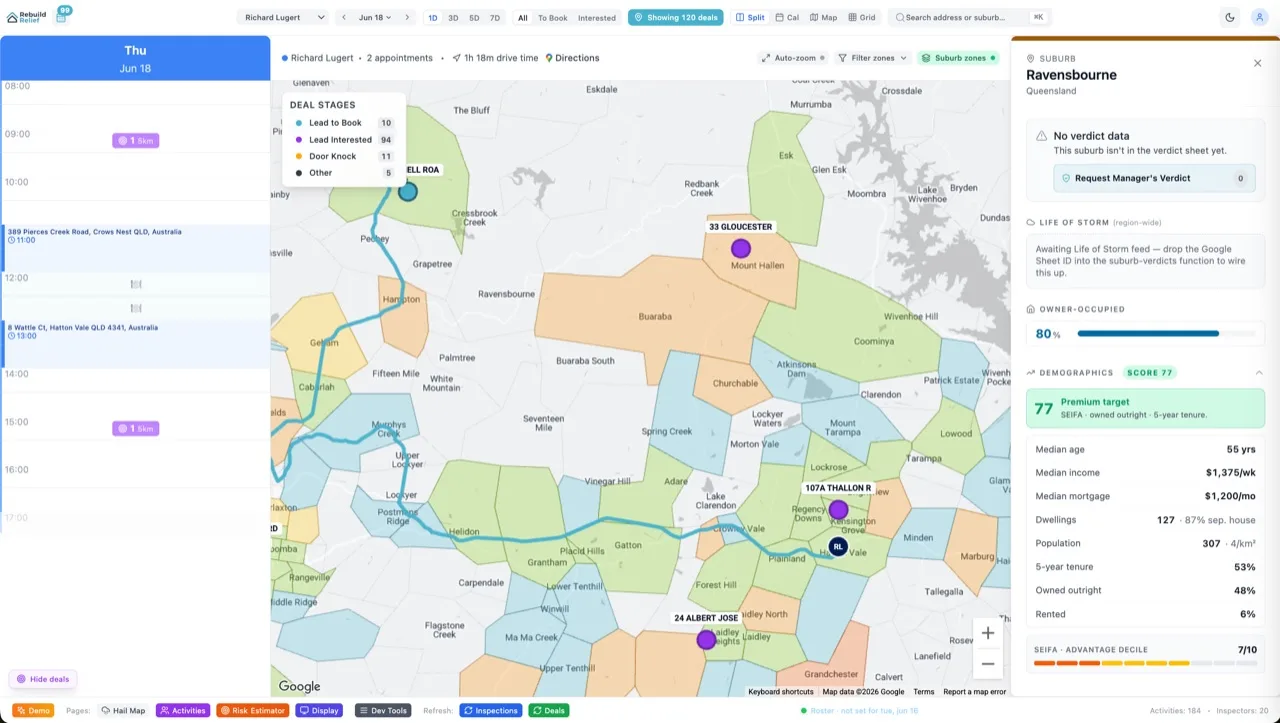
You have data scattered across three different platforms: Shopify, Google Analytics, your email provider. You want to know how many customers bought after seeing your ad, how much time they spent on the product page, and what their lifetime value is. That's a data engineering problem. It's not glamorous but it's high-leverage: better decisions come from data that's actually connected and trustworthy.
Typical projects: pipe Google Ads → BigQuery → visualization dashboard, export Stripe transaction data and merge it with customer attributes from Supabase for lifetime value analysis, set up automated CSV reports that email to stakeholders every Monday. The infrastructure sits on Supabase, BigQuery, Python scripts, and whatever existing tools you're already using.
Entry point: $2k for a one-time data integration (one source into one destination). $3k–$5k/month for ongoing pipeline maintenance and dashboard updates.
AI Consulting & Automation — Claude Integration, Workflow Optimization
Most companies today are running manual workflows that Claude could handle in two seconds. Manually writing product descriptions? Claude. Extracting data from unstructured PDFs? Claude. Summarizing customer support tickets into themes? Claude. Generating email copy variations for A/B tests? Claude. The role here is: where does AI fit in your workflow, how do you structure prompts for reliability, how do you build systems that don't hallucinate, and how do you measure whether the AI is actually saving time and money.
Deliverables: a prompt library customized to your business, a documented integration point (API calls, a simple web interface, a Zapier/Make automation), staff training on how to use and iterate the system, and a measurement framework so you know if it's working.
Entry point: $5k for a strategy session and first integration. $1.5k–$3k/month for ongoing optimization and new workflow automation as your team identifies opportunities.
The Cross-Pollination Advantage
Here's why the full suite matters more than the individual services. A client comes to Aidxn for a website redesign. While designing, I realize the messaging is weak. So I run a brand strategy workshop. The new brand directs the visual design. The new visual system needs photography that doesn't exist, so I coordinate a shoot (or generate one). Now the website is designed. But it won't convert unless people know it exists. So I audit the current Google Ads campaign — which is running against the old brand messaging — and rebuild it against the new one. Now the ads and site talk the same language. Conversion rate lifts 35%.
That's a realistic outcome. None of it is magic. But it only happens when one person is thinking about all five domains (web, brand, visual design, copy, ads) simultaneously. In a multi-agency stack, the designer hands off to the developer, the developer ships, the marketing team sees the site for the first time and says "the messaging doesn't land", then everyone sits in a meeting and tries to retrofit alignment. Six months later, nothing is cohesive.
The second advantage is speed. A typical agency website redesign: four months, five people, two rounds of revisions, three handoff delays. Same project with one full-stack person: six weeks, one person, continuous iteration, ship-on-Thursday velocity. The difference isn't "one person is faster at coding" — it's "zero handoff overhead compresses the entire schedule".
How to Work With Aiden
Projects start with a conversation. You describe what you're building, who it's for, and what success looks like. From there, I'll scope the work, estimate timeline, and either propose a fixed price or a monthly retainer depending on whether the work is bounded (website launch) or ongoing (marketing management, data pipeline maintenance).
Timeline expectation: for a website project, you'll have a prototype in week one, a rough draft in week two, and something shippable by week four. You iterate on the live preview. For brand strategy, expect three weeks of back-and-forth. For marketing campaigns, expect two weeks to build, then ongoing optimization.
All projects come with source code, full ownership, and a handoff. You can maintain the site yourself, pass it to another developer, or keep me on retainer. The contract is "I ship the work and own the quality" — if something breaks after launch, we fix it, no arguments.
When Aidxn Isn't The Right Fit
If you need: a team building a regulated platform (medical device, financial services, where domain expertise is table stakes), parallel workstreams requiring five simultaneous developers, or volume production of templated sites at scale, then you need a different model. Aidxn works best for custom one-off projects, medium-complexity builds, and ongoing optimization where coherence and iteration speed matter more than pure scale.
The Bottom Line
Aidxn Design is eight services under one roof because it's the fastest way to ship coherent work. No translation layers, no handoff delays, no "the designer meant X and the developer built Y" misalignment. If you're building something and you want to move at the speed of iteration, see the pricing or learn more about how a full-stack approach works.