



Custom Web Application Development, Australia
Custom web applications, internal tools and customer portals — built in Australia
Custom software built for how your business actually works — staff dashboards, booking systems, data pipelines and full SaaS platforms. Not templates: real applications with auth, billing and production architecture.
Capabilities
Beyond websites. Real software.
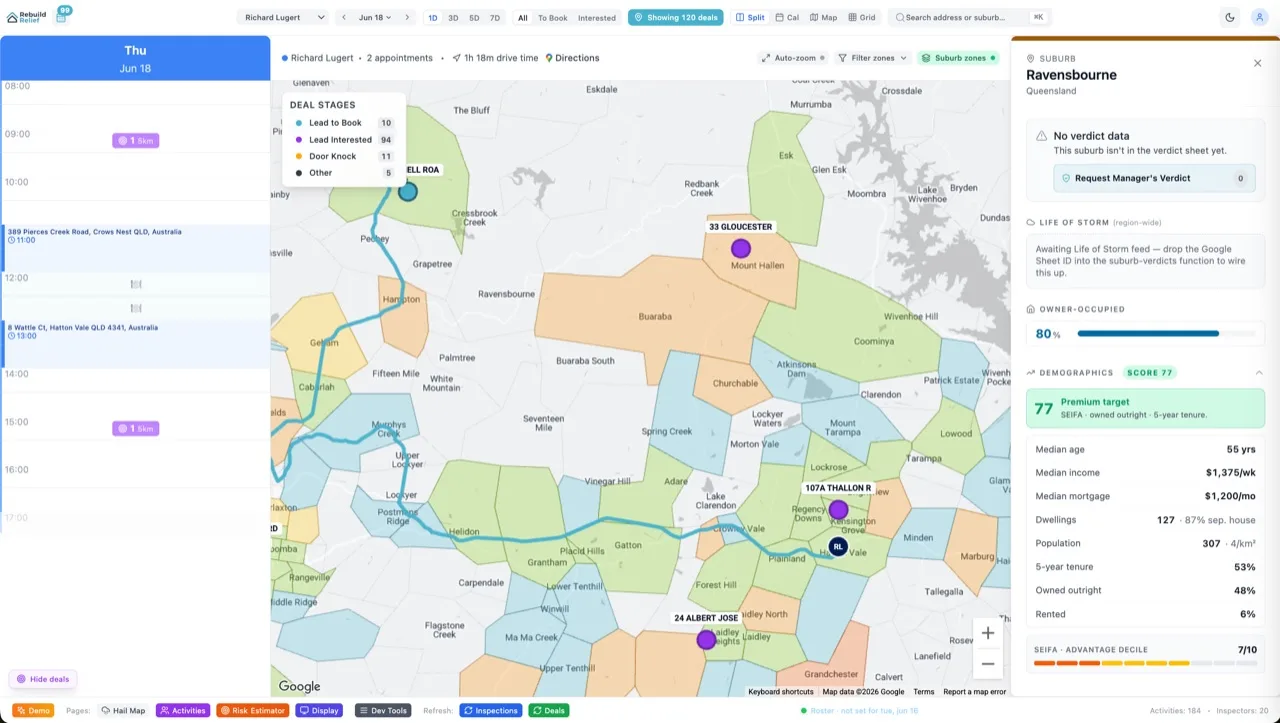
SaaS · Rebuild Relief
FleetRoute — field service scheduling at scale
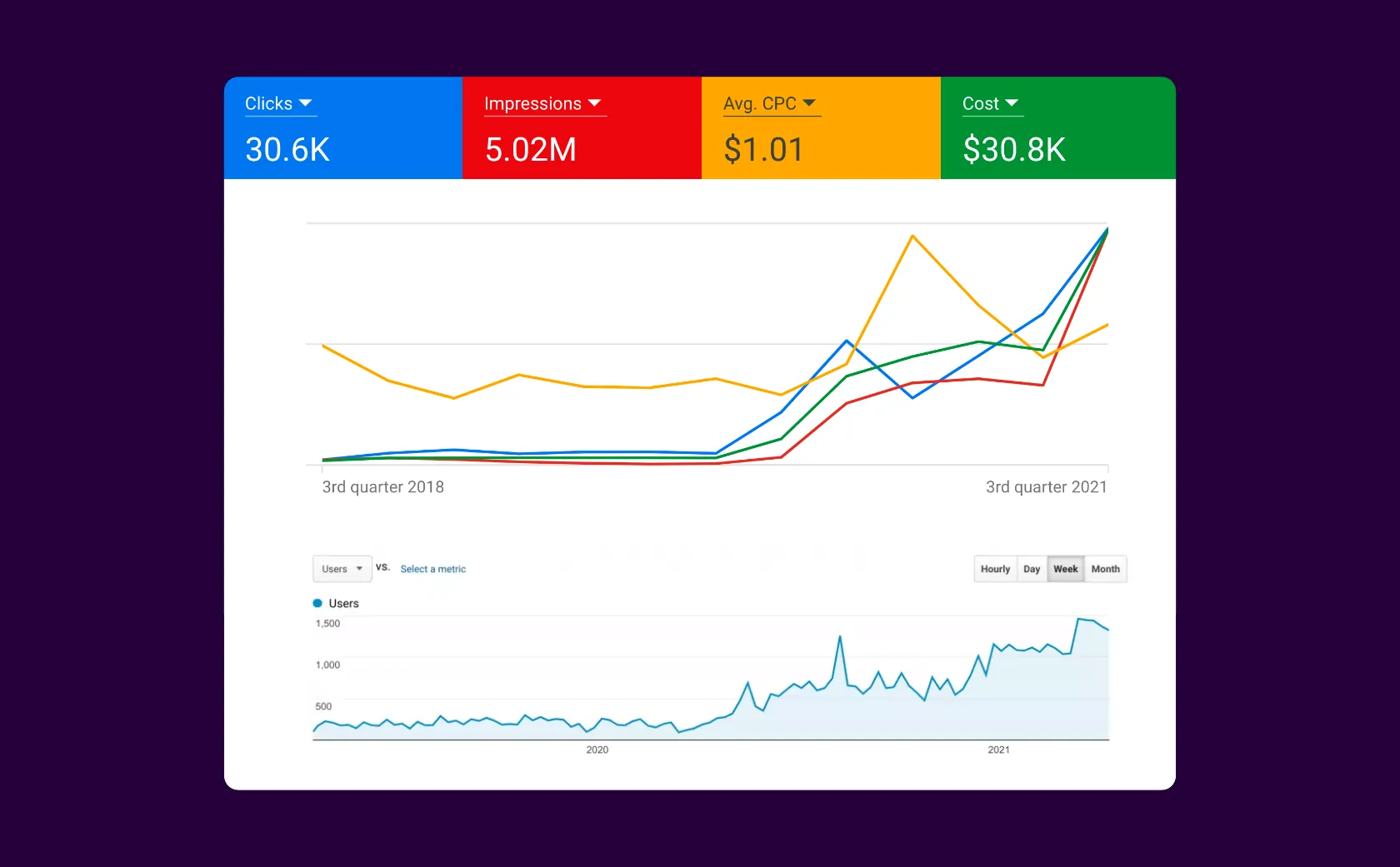
Data eng · Rebuild Relief
Marketing Dashboard — real-time CPA tracking
Creative Suite · Aidxn Design
WebGL Design Tools — browser-based creative suite
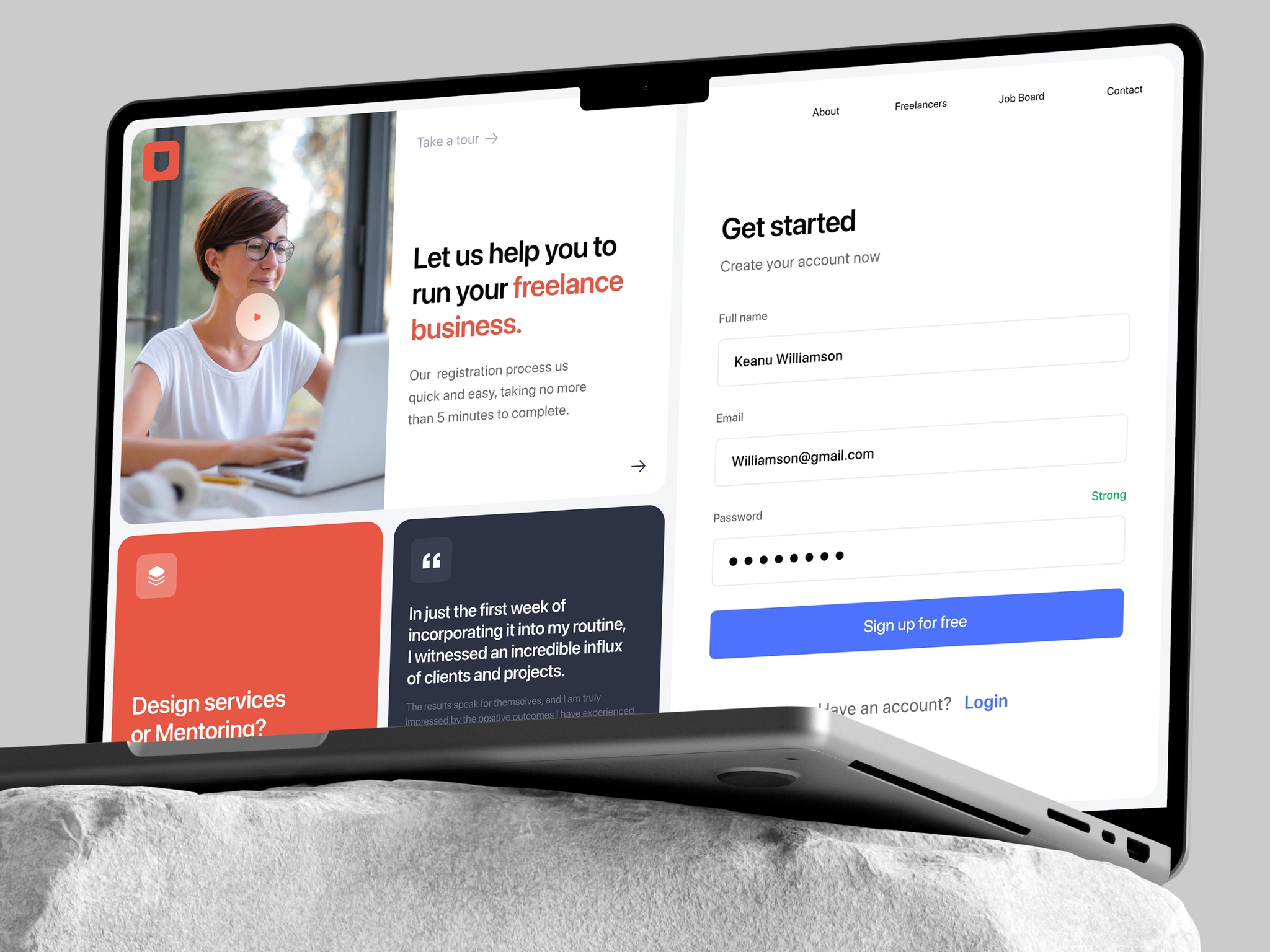
Booking · Rebuild Relief
BookMyStaff — staff & customer booking system
Geo app · Rebuild Relief
Hail Damage Estimator — 6,000+ claims mapped
Forms · Rebuild Relief
PIC Web Form — 5-step insurance claim flow
AI Integration · Internal Tool
Audio Transcriber — drag-and-drop transcription
Creative · Personal project
F1 MIDI Controller — web-based sound board
Our own product
Need the software too? Velocity X — our buy-once website and ops platform.
Complete clarity for booking the closest leads to your current staff live routes
Alongside the design, development, brand and marketing work, we build and sell our own platform. Velocity X is the website and operations software we run our clients on — buy it once, own it outright, and manage your site and your day-to-day from the same place.
- Leads, Appointments, Calendars, Data, all in one place.
- Connects to Pipedrive, Hubspot and Attio CRMs.
- Link your custom data sources from Google Sheets or direct CSV.
- Empower staff to understand changes in your CRM on the fly.
- No lock-in and no hostage hosting — you keep complete control of the platform.
- Separate dashboard for leadership team and marketing management.
One-off payment · lifetime updates · lifetime support
Custom web application development — common questions
A website presents information; a web application does work. If people log in, records are created and updated, permissions differ by role, or the thing has to talk to another system, it is an application. In practice that means internal staff tools and dashboards, customer portals, booking and scheduling systems, quoting and job-management systems, and data pipelines that feed reporting.
It is quoted per project, because a two-screen internal tool and a multi-tenant SaaS platform are not the same job. Fixed-scope website builds start at $4,995 + GST. Application work is scoped in a paid discovery, then quoted as a fixed number before any code is written — you never get an open-ended hourly meter.
A focused internal tool is typically 4–8 weeks. A customer-facing platform with auth, billing and multiple roles is 3–6 months. The variable is rarely the code — it is decisions: who can see what, what happens on an edge case, and which system is the source of truth. Those get settled in discovery so the build does not stall.
Yes. The repository is yours, in your own GitHub organisation, with the deployment pipeline attached. There is no proprietary runtime, no licence to keep paying, and nothing that stops another developer picking it up. That is deliberate: you should be able to leave.
TypeScript end to end, React or Astro on the front, Postgres via Supabase for the database and auth, deployed on Netlify. It matters for one commercial reason: these are mainstream, widely-known tools, so the pool of developers who can maintain your system is large. A clever niche stack is a hiring problem you inherit.
That is usually the point of the build. Existing integrations in production include Pipedrive, HubSpot and Attio for CRM, Stripe for payments and subscriptions, Google and Microsoft calendars, Google Maps and geocoding, Google Ads and BigQuery for reporting, and Zapier where a direct API is not available. If a system has an API, it can be connected; if it does not, that limitation gets named in the quote rather than discovered later.
Aiden Wood, directly. There is no account manager relaying messages to an offshore team, which is why capacity is capped rather than sold. The trade-off is honest: you get the person who wrote the code on the phone, and you wait for a slot.
Yes — application work is remote by nature and clients are Australia-wide. On-site discovery happens in person across the Gold Coast, Logan and Brisbane; everywhere else it is video, and it has never been the limiting factor.
Two options, both explicit. Take the repository and maintain it yourself, or keep a support arrangement for changes, monitoring and new features. Neither is a lock-in: the code and the deployment both stay in your accounts either way.
Related reading
More on custom apps and internal tools
- You're Paying for 10 SaaS Tools When One Custom App Would Do
- HailHero Case Study — Building a Custom Insurance Claims App for Hail/Storm Damage Operations in Queensland
- Retool vs Custom Admin Dashboard — Pick the Right Tool for Internal Ops
- Notion vs Airtable vs Supabase — Where Aidxn Builds Internal Tools in 2026
- So You Want to Build a SaaS Product — Here's Everything We Decide Before Writing Code
- Zapier or Custom Code? The Workflow Automation Decision Tree
- Buy-Once Custom Website vs SaaS Subscription — The Real 2026 Comparison
- Why Your Custom Business Website Should Live in Your Own GitHub Repository
- Client Portals With Magic-Link Auth — No Passwords, No SaaS, Just Velocity X
- White-Label Customer Booking — How Velocity X Routes the Right Customer to the Right Rep Automatically
- Custom Subdomain Customer Portals — How Velocity X Maps book.yourdomain.com to a White-Label Surface
- OAuth Pre-Wired Dashboards — Why Custom Websites Should Ship With Google, Meta, HubSpot Integrations Built-In
- Bidirectional CRM Sync — Why Your Field Map and Pipeline Should Update Both Ways
- Zapier and Make vs Native Integrations — When to Route Direct vs Through No-Code
- HubSpot OAuth Integration — How Velocity X Bidirectional Syncs Contacts, Deals, and Companies in Real Time
- Pipedrive OAuth Integration — Stage Mapping and Unified Pipelines
- Google Calendar Two-Way Sync — How Velocity X Keeps Rep Calendars and CRM Bookings in Lockstep
- Microsoft 365 + Graph API Integration — How Velocity X Syncs Outlook Calendars, Room Booking, and Teams Meetings
- Xero / MYOB / QuickBooks Integration — Hook Your SaaS Into AU Accounting
- Google Ads → BigQuery → Dashboard — The Pipeline Aidxn Built for $2M/yr Ad Spend
- What We Learned Building Data Pipelines That Process 6,000+ Insurance Claims
- CSV Import — Velocity X's Batch Upload Pattern for Customer Data Migration
- Why We Built a Client Dashboard (And Why Your Agency Should Too)
- Role-Gated Dashboards — How Velocity X Shows Ops to Reps and Rollups to SLT From the Same Database
- Live Revenue + Jobs Dashboard — Same Database as the Field Map, One Screen for the SLT
Let us make some quick suggestions?
Unique solutions for your brand.
Gold Coast Agency Insights
Field notes on web design, brand and digital marketing.
What a website really costs on the Gold Coast, how to brief an agency, and the local SEO and Google Ads work that follows the build. Written from live client projects. Read time under 5 minutes.
Conversion-Focused Web Design: The Complete Guide (2026)
The complete 2026 guide to conversion-focused web design for Australian businesses — the elements, CVR benchmarks, cost in AUD, how to brief an agency.
Read articleHow to Choose a Web Design Agency: The 8-Point Checklist
How to choose a web design agency without getting burned — an 8-point checklist of questions, red flags, and green flags from someone who runs one.
Read articleWeb Design Cost on the Gold Coast: What a Website Really Costs in Australia
What does a website or logo design cost in Australia? Honest pricing from someone who sets it — Gold Coast price ranges, what you should get, and red flags.
Read articleCustom Web Design vs Templates: The Honest Comparison
Custom web design vs templates, compared honestly — branding, speed, SEO, conversion rate, and why buy-once ownership beats renting a theme.
Read articleA Complete Walkthrough of How We Actually Build Brand Identities
Our brand identity design process from discovery to final deliverables. How we build brands that actually work — not just look good in a Behance case study.
Read articleSo You Want to Launch a Brand — Here's Why Strategy Comes Before Pixels
Brand strategy for startups — how to nail positioning, messaging, and audience before you spend a cent on design. Strategy first, pixels second.
Read articleLogo Design Process at Aidxn — From Brief to Brandkit in 5 Days
How Aidxn Design runs logo projects in 5 days: day-by-day breakdown from client brief through brandkit delivery.
Read articleAustralian Design Studio vs International Agency — Why Local Wins in 2026
Why Australian service businesses should hire local design studios instead of international agencies in 2026.
Read articleA Complete Guide to Local SEO for Australian Businesses
Local SEO for Australian businesses — Google Business Profile optimisation, citations, reviews, and the ranking factors that drive local search visibility.
Read articleHow We Run Google Ads Campaigns That Actually Make Money Back
Google Ads management that actually returns ROI. How we run search campaigns, structure ad groups, and eliminate wasted spend for our clients.
Read articleHere's What Actually Moves the Needle for Small Business SEO
SEO for small businesses in 2026 — what actually moves the needle. Cut through the guru noise and focus on the signals Google rewards.
Read articleBoogie Collective Case Study — How a Gold Coast Events Brand Went Viral with Community-First Web Design
Boogie Collective case study: How a Gold Coast events brand built a custom ticketing site and community platform that went viral.
Read article