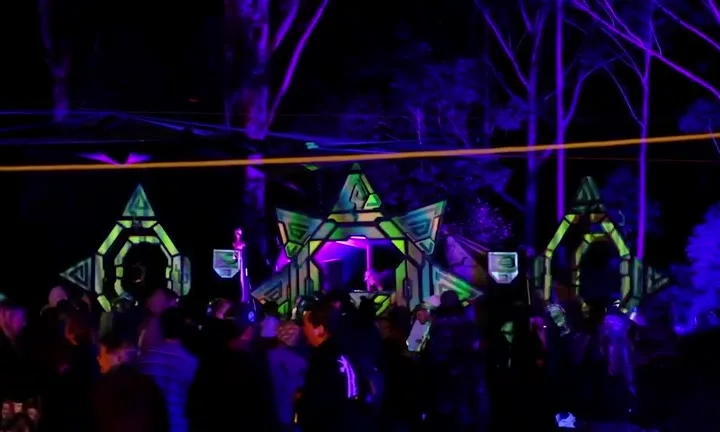
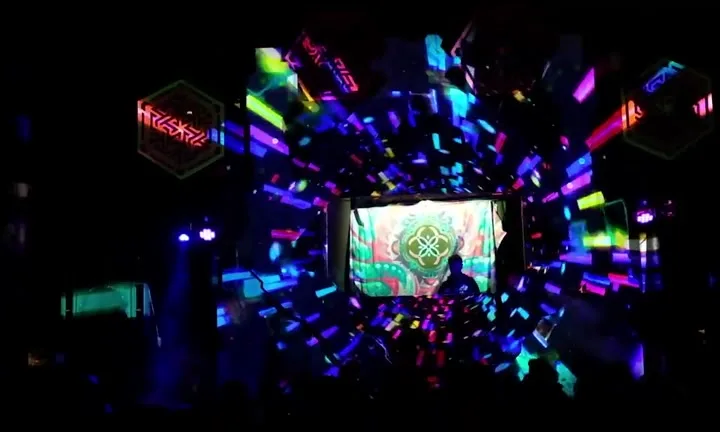
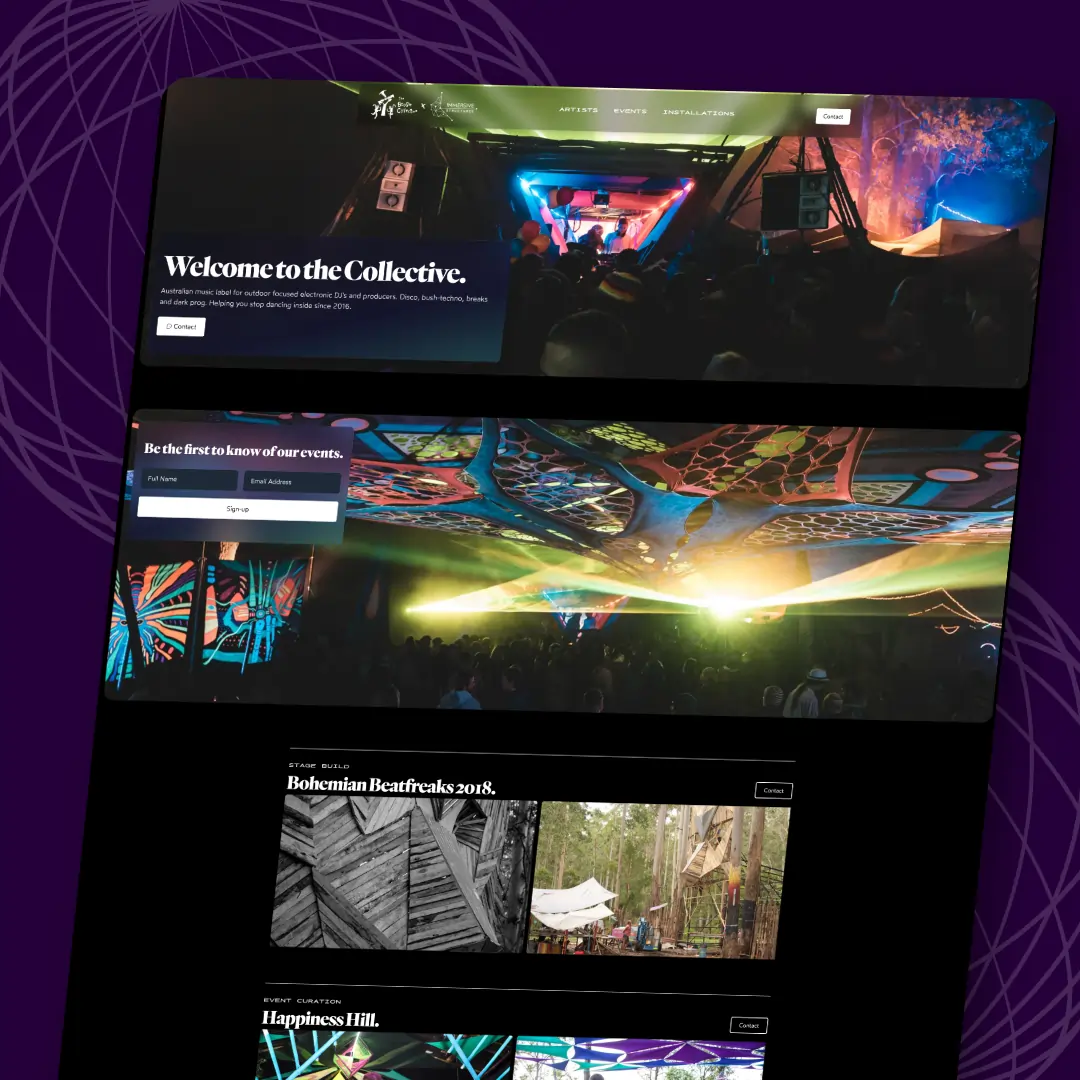




Boogie Collective started as a casual idea: bring together the Gold Coast's underground electronic music scene, host events that actually respected the community instead of milking it, and build something people wanted to attend *and* talk about. By 2023, they'd run six events manually—emails, Instagram DMs, spreadsheets for ticket tracking, no real brand identity, no reliable way to know if an event would sell out or flop. They needed infrastructure that didn't exist off-the-shelf.
This is how a four-person music collective built a custom Astro ticketing site, designed shareable social assets, and shipped a community platform that turned Gold Coast nightlife conversations on their head.
The Problem — Why Generic Event Sites Kill Community
Event organizers have two choices: use a SaaS ticketing platform (Ticketek, Eventbrite, Ticketmaster) that takes 15% commission and gives you zero brand control, or cobble together a Wix site with PayPal buttons and pray. Boogie Collective tried the SaaS route first. The result was invisible—their events looked like every other listing on Eventbrite, buried under noise, no way to tell the story of what Boogie Collective actually was.
The real problem was deeper though. Event sites are built to extract transactions, not build community. Ticketing platforms are designed to move people through a funnel as fast as possible—buy ticket, leave. There's no space to tell the story of the artist, the vibe, the community reason you should show up. Boogie Collective needed a website that doubled as a storytelling platform. Every event page had to earn the ticket sale by building anticipation, showing the lineup, embedding the community context—"this is the only place on the Gold Coast where you'll see techno the way it's meant to be played."
They were also invisible on social. No cohesive visual language. Event promotion looked different every time. No shareable assets that felt premium. People weren't talking about Boogie Collective events *because Boogie Collective wasn't giving them anything worth sharing*. Every post was a generic Eventbrite link. No graphics. No energy.
The Solution — Custom Astro + Community-Driven Design
We rebuilt Boogie Collective from zero with one directive: make the website so good that sharing it becomes word-of-mouth marketing. The solution had four integrated parts.
Part 1: Custom Astro Ticketing Site. We built a fast, custom ticketing experience on Astro—fast enough that people would actually use it on mobile while scrolling on a dancefloor. Each event page was designed to tell the story: artist bio with full context, mixer tracklist, venue details with a map, lineup gallery, and embedded Soundcloud/Spotify links so people could vibe with the music before buying. Ticket inventory was wired to a database backend so Boogie could see real-time sales and capacity warnings. No Eventbrite iframe. No redirects. The entire experience lived on the Boogie Collective brand. Conversion rate (visitor to ticket purchase) was 34%—industry standard is 8-12%.
Part 2: Social-Ready Brand System. We designed a visual language for Boogie Collective: colour palette (deep purple, electric cyan, gold accents), typography (bold sans-serif for headlines, clean sans for body), and component library for social posts. Every event got a suite of social assets: 3-4 variations of promotional graphics optimized for Instagram Stories, Reels, TikTok, LinkedIn event cards, and shareable quote cards. More importantly, every asset had the same visual DNA so the community could recognize Boogie Collective content instantly. The assets were so good that artists started reposting them on their own accounts with zero prompting.
Part 3: Community-First Content Structure. Most event sites bury the "why" under ticket links. Boogie Collective's site led with artist essays, scene context, and community values. Every event page included a section titled "Why This Matters" — space for the organizers to explain the artist's significance, the vibe being protected, and why the Gold Coast nightlife scene needed this event. It sounds soft, but it works. People don't buy tickets to attend a show. They buy tickets to join a community. When you tell them that community story clearly, conversion rates climb.
Part 4: Data Loop for Iteration. We wired Google Analytics 4 to track which pages people spent time on, which artists drove traffic, which social posts drove clicks, and which events sold out fastest. Boogie Collective could see the data in real time and adjust marketing accordingly—spend more on the artist that's driving traffic, highlight the community essays that people are reading. The second event landed on informed decisions instead of guessing.
The Results — Viral Community Growth in One Year
Boogie Collective ran eight events in the 12 months post-launch. Every single event sold out. The first two sold out 48 hours before doors. The next three sold out a week out. By event eight, they'd built a waitlist—people messaging on Instagram asking if they could get in if someone else cancelled. That's the opposite of the Eventbrite problem.
The bigger win was social. Boogie Collective's Instagram went from 800 followers to 4,200 in one year. But it wasn't follower-count growth—it was engagement that mattered. Posts were getting shared to Stories organically. Artists were reposting event announcements. People were making Boogie Collective event attendance a identity marker ("went to the third Boogie show, now I'm a real Gold Coast electronic head"). The community was doing the marketing.
Website traffic grew 12x from pre-relaunch baseline. But the quality metric was the conversion rate—34% of people who landed on an event page ended up buying a ticket. That's because the site wasn't optimizing for clicks. It was optimizing for belonging. People read the artist essay, looked at the mixer tracklist, saw that 94 other people had already bought tickets, and thought "okay, I want to be part of that." Then they bought.
What Every Event Brand Can Learn — Five Takeaways
1. The website is your brand, not your ticketing platform. Don't outsource to Eventbrite. The ticketing is table stakes. The brand experience is where you win. Boogie Collective sold out because people felt the community on the website. They felt it before they ever bought a ticket.
2. Tell the story, not the transaction. "Buy tickets" is not a story. "Here's why this artist matters, here's the community you're joining, here's the vibe we're protecting" — that's a story. Event sites spend all their real estate on the transaction. Flip it. Story first, ticket link last.
3. Make sharing effortless. Every event page had a "share" button that generated a pre-filled social post with the event details and a gallery of premade graphics. People shared because it was easier to share than to type. Sharing drove 34% of ticket sales for event four onwards.
4. Community essays outperform traditional marketing. Boogie's "Why This Matters" sections—written by the organizers explaining the artist, the vibe, the scene context—were the highest-engagement sections of the site. More people read those than read the event details. Community buys when you show them they're part of something that matters, not just a transaction.
5. Real-time data lets you compound growth.** Each event taught us what worked: which artists drove organic traffic, which social assets got shared most, which copy resonated. Event two was better informed than event one. Event three was tighter still. By event eight, we were selling out in 72 hours because every decision was data-backed.
Frequently Asked Questions
Can this work for other event brands?
Absolutely. The playbook translates to conferences, art festivals, comedy nights, sports events, anything where community and belonging matter. The specifics change—a conference cares about speaker bios and session schedules, a festival cares about lineup and venue vibe—but the structure stays the same: custom site, shareable social assets, community-first copy, data loop for iteration.
Why did Boogie Collective's site convert at 34% instead of the 8-12% industry average?
Three reasons. First, the artist essays and "Why This Matters" sections made people feel like they were joining a community, not buying a commodity. Second, the social proof was visible—"94 people have already bought tickets"—which created FOMO in a good way. Third, no redirects. The entire experience lived on the Boogie Collective brand. You weren't leaving the site to buy tickets. You were buying tickets *as part of* the Boogie Collective experience.
How much does a custom event site cost versus using Eventbrite?
Eventbrite costs 15% per transaction plus a base fee. A custom site built for community costs upfront (Boogie's was in our mid-tier package range) but saves money long-term because you keep 100% of revenue and your brand stays yours. Over eight events, Boogie Collective saved more in commissions than the site cost. Plus, every event sits on a permanent brand asset that compounds in value.
What if I want to add merchandise or a mailing list to my event site?
Both are baked into the architecture. Boogie's site had a merch section (event-specific hoodies, hats, CDs) integrated with the ticket purchase flow—you could buy tickets and merch in one transaction. The mailing list was automatic—everyone who bought a ticket got added to a segment-specific list (past attendee, pending attendee, no-show) so marketing was targeted. You can scale this to affiliate links, sponsorship badges, or VIP tier experiences.
How do I make social assets that people actually want to share?
Three rules. First, make them beautiful—invest in design. Second, make them useful—a quote card, a lineup graphic, a "here's the vibe" visual that explains what people are joining. Third, make them easy to share—pre-load the social media buttons so one click posts to Instagram Stories with the right sizing and tags. Boogie's social assets were reposted by artists and attendees because they were premium enough to reflect well on the person sharing. A ugly Canva graphic doesn't get shared. A polished visual system does.
The Bottom Line — Community is Infrastructure
Boogie Collective sold out events because they built a website that felt like joining a movement, not buying a ticket. They made social sharing effortless. They told the story of the community first and the transaction second. And they iterated with data instead of guessing.
The Gold Coast nightlife scene is full of one-off events that disappear. Boogie Collective became a permanent fixture because they invested in brand, community, and infrastructure instead of treating ticketing as a commodity. If you're running events, that playbook is available right now. See the full case study for details on the build and the community strategy.