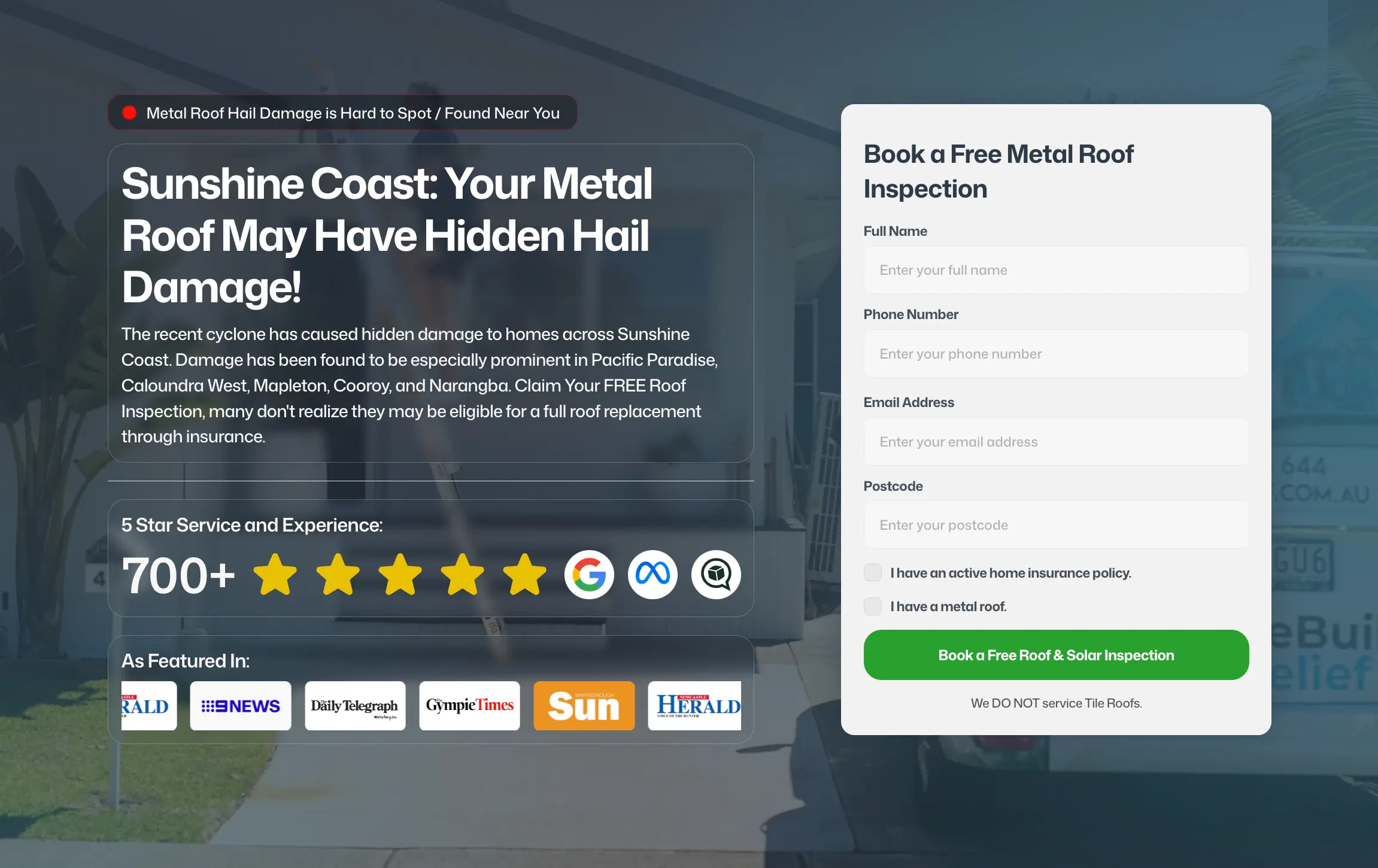

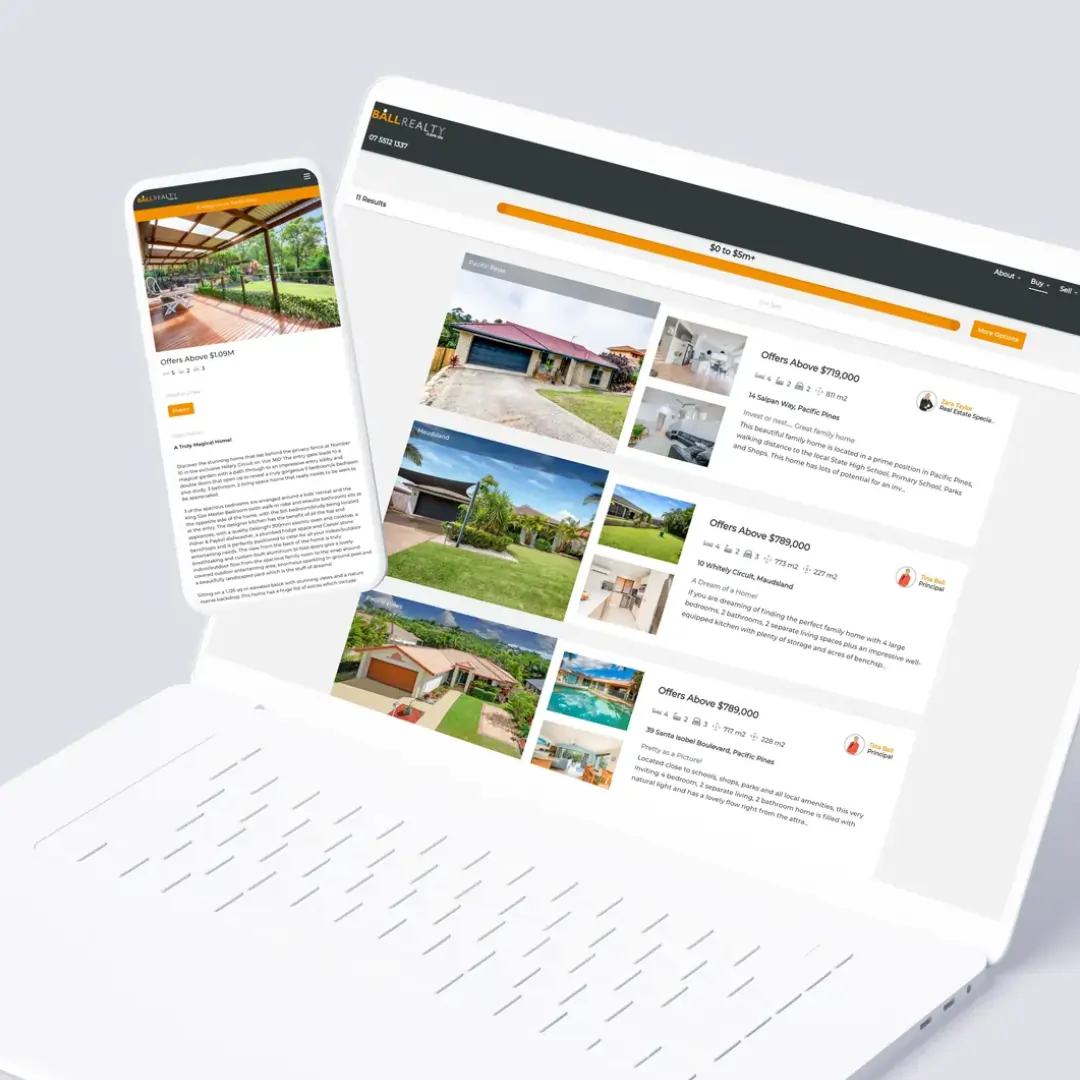
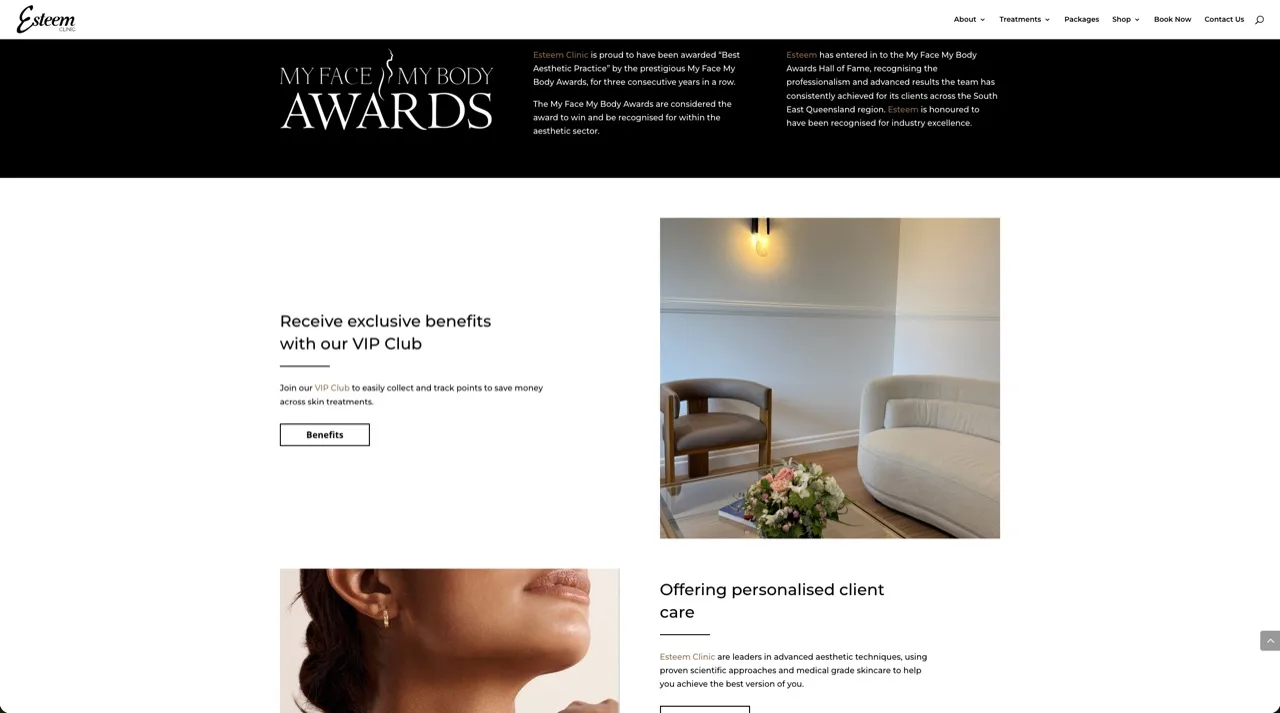

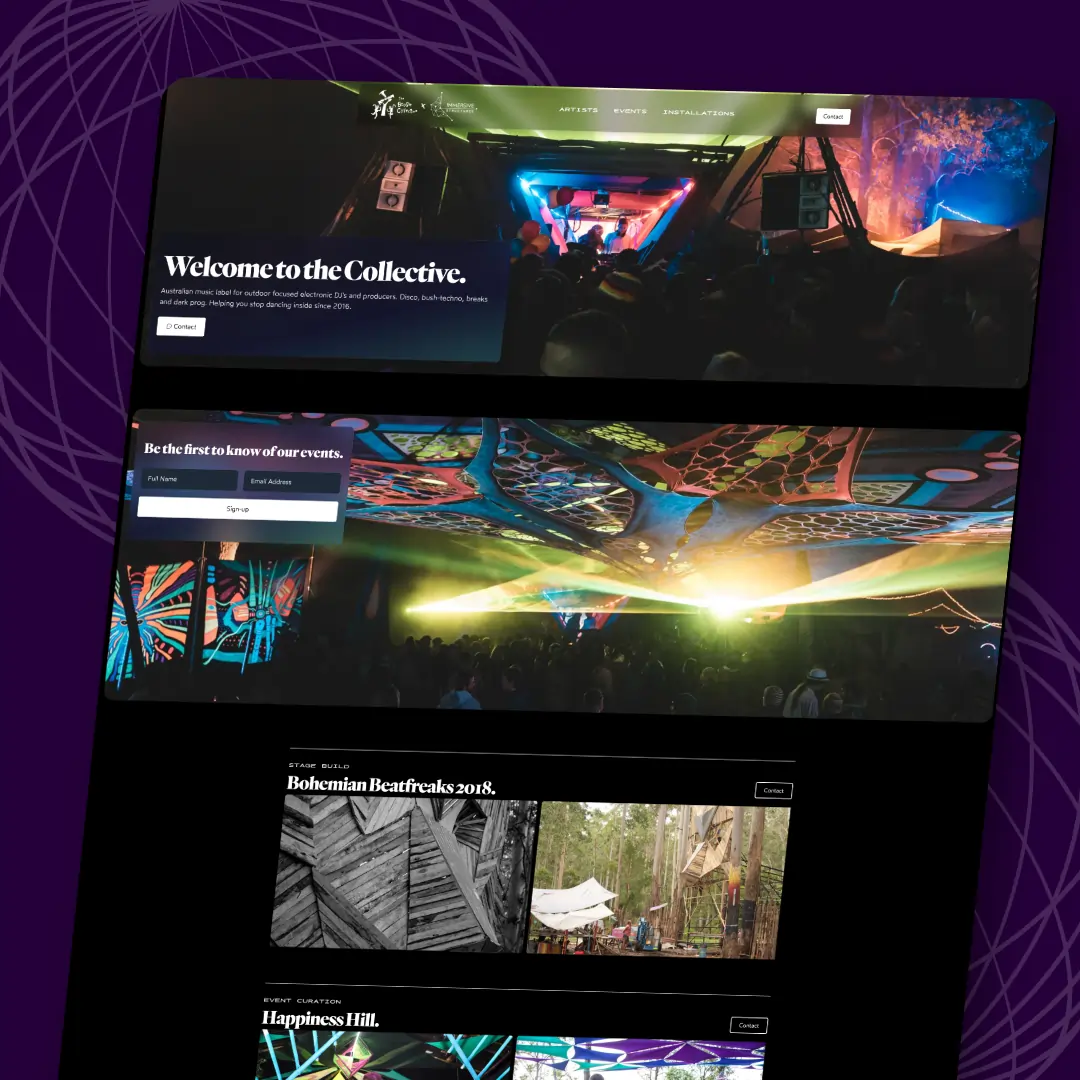


Most field-sales businesses spend an hour a day on the same call: "I'd like to book a quote. What's my postcode? OK, that's Bob's territory. Let me check Bob's calendar. Tuesday at 2pm works for him. Can you do that?" Multiply by every inbound lead, every reschedule, every "the rep didn't show". White-label customer booking eliminates this triage by letting the customer self-serve into the right rep's calendar based on territory, availability, and load-balancing rules — all under your brand, on your domain.
What "White-Label" Means Here
The booking experience lives on a subdomain of your site (e.g. book.your-business.com) styled to match your brand. No "Powered by Calendly" footer. No third-party logo. Customers experience it as your booking system. Behind the scenes, it's the Velocity X booking layer reading from your Supabase database and your reps' connected calendars.
The Territory-Aware Routing
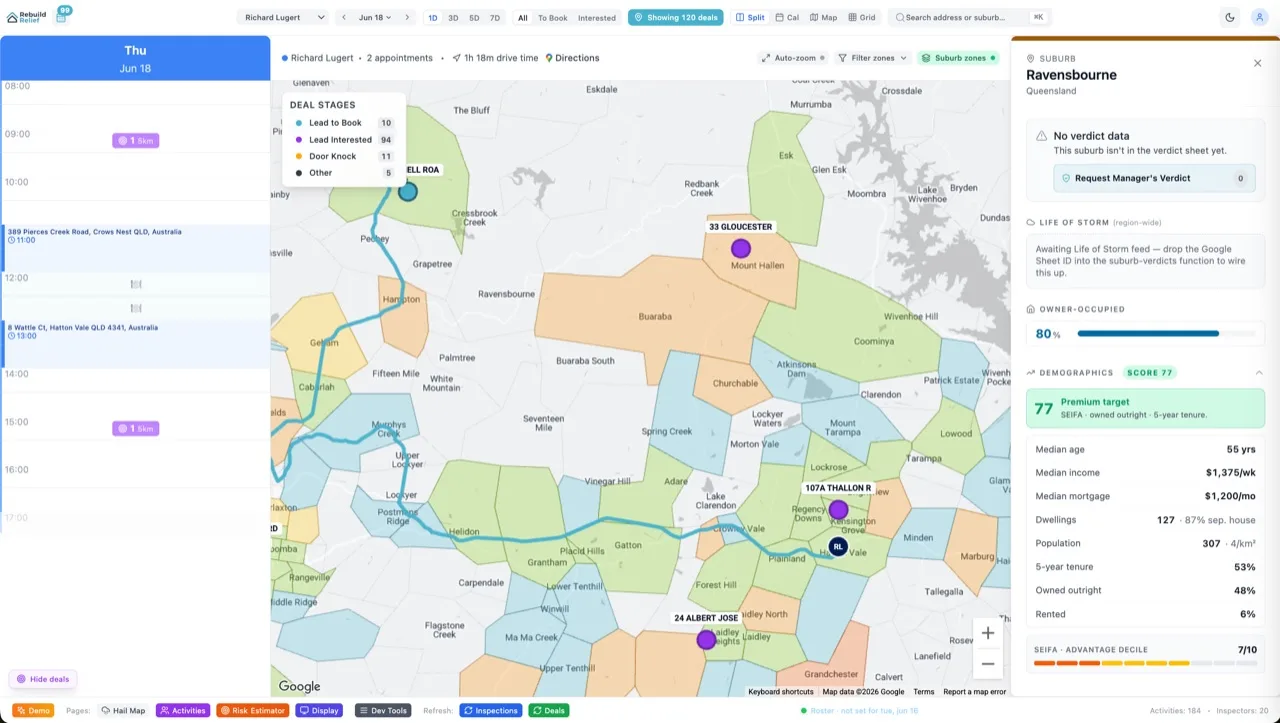
The flow: customer enters their address → Velocity X point-in-polygons it against rep territories → finds the rep who owns that area → checks that rep's calendar availability → presents a list of bookable time slots in that rep's calendar. Customer picks a slot, booking confirms.
If the primary owner has no availability in the next 14 days, the system falls back to a configurable rule: try the secondary owner of the polygon, or surface "next available across the team" — whichever the business prefers.
The Calendar Integration
Each rep connects their Google Calendar or Microsoft 365 calendar via OAuth. Velocity X reads availability (busy/free) every 60 seconds during business hours. When a customer books a slot, the calendar event is created in the rep's calendar with the customer's details, location, and a link back to the deal record.
Two-way sync means: if the rep manually adds a personal appointment to their calendar, Velocity X sees it and removes that slot from the bookable pool within a minute. No double-bookings.
Load Balancing
For multi-rep polygons (e.g. two reps in the same territory), Velocity X load-balances using round-robin by default. Configurable to: prefer the rep with the lower current booking count, prefer the rep with the higher conversion rate, or weight by custom rep score. Most teams stick with round-robin — it's fair, predictable, and easy to explain.
Compared to Calendly Routing
Calendly's Routing feature does similar logic for non-field-sales use cases. The differences: Calendly is per-seat priced ($16-$20/user/month for routing), it doesn't know your territory definitions (requires you to maintain duplicate rules in Calendly's UI), and the booking UI is on Calendly's domain by default with white-label only at the enterprise tier.
Velocity X is bundled in the buy-once template, reads territories from the same database as the field map (no duplicate rule maintenance), and white-labels by default.
Compared to Doing It Yourself
Building a booking system from scratch involves: calendar OAuth (2-3 days), availability calculation (1-2 days), territory polygon-point logic (1 day), the booking form UI (2-3 days), conflict prevention (2 days), email confirmations (1 day), reminder system (1-2 days). Roughly 10-14 days of engineering at $100-150/hour = $10,000-$20,000 to build properly. Velocity X amortises that cost across every customer.
Frequently Asked Questions
Can customers reschedule themselves?
Yes. Confirmation emails include a magic-link to a reschedule UI that respects the same availability and territory rules. No back-and-forth required.
What about phone-only bookings?
The front desk can use the same booking interface on the admin side. They enter customer details, system finds the right rep + slot, books in one screen. Same logic, different entry point.
Does it work for service businesses (not just sales)?
Yes. Trades, clinics, consultants. The "rep" can be any role — technician, doctor, advisor. Territory logic + calendar availability is the same primitive.
What about no-shows?
Velocity X surfaces a no-show rate per customer and per rep. Customers with high no-show rates get flagged at booking time. Reps can require deposits for new customers via the Stripe integration.
How do customers find the booking page?
Standard SEO + a prominent "Book Online" CTA on the main site that links to the booking subdomain. Velocity X auto-generates schema.org reservation markup so booking pages can appear in Google search results for "book [service] [suburb]" queries.
What if I want a more complex booking flow?
The booking form is JSON-configurable — fields, validation rules, conditional logic. For really complex flows (multi-rep team bookings, dependent services), drop in a custom React component that hooks into the same booking API.
The Bottom Line
Self-serve booking eliminates a category of repetitive admin work. Done with territory awareness, it eliminates the additional category of human triage. Done white-label, it strengthens your brand instead of advertising a third party. Velocity X bundles all three.