



I have heard every agency horror story. The one that took the deposit and ghosted. The one that delivered a site nothing like the mockup. The one that built on a platform the client could never leave. The one that took eight months to ship a five-page website.
Almost every one of these has the same root cause: the client didn't know what to ask before signing. So here's the checklist — questions, red flags, and green flags — from someone who runs a web design studio and would rather you asked hard questions everywhere.
1. Ask Who Actually Does the Work
In many agencies, the person in the sales pitch is not the person who builds your site — your project may be handed to a junior or outsourced entirely. Ask directly: who is building this, and can I talk to them?
If the answer is vague, so is your project. The builder's name should not be a mystery on a five-figure engagement.
There's nothing wrong with teams or contractors, to be clear — the problem is opacity. You're evaluating the salesperson's portfolio and getting the intern's output, and you won't discover the swap until the first design review lands flat.
2. Demand Live Work, Not Mockups
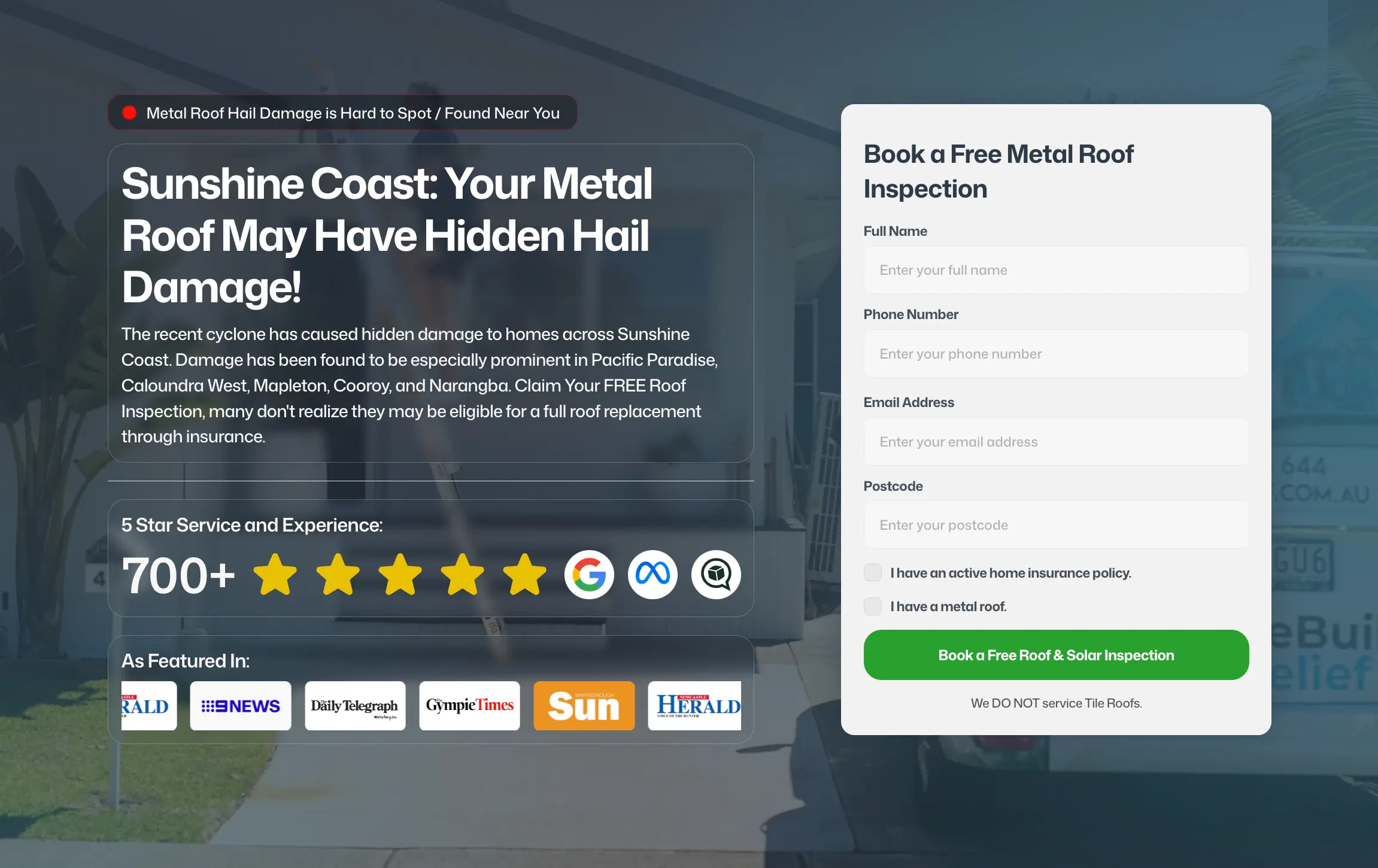
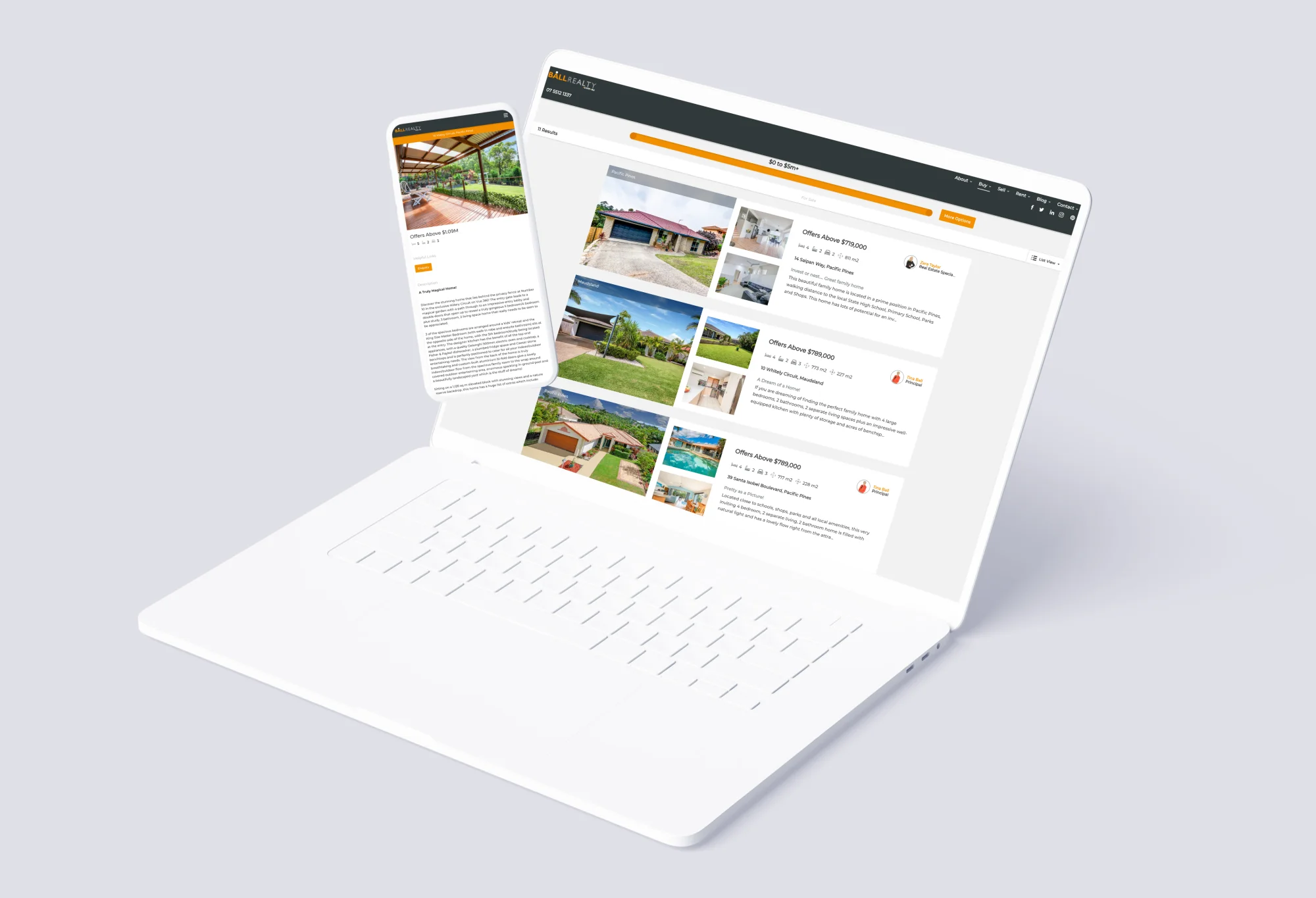
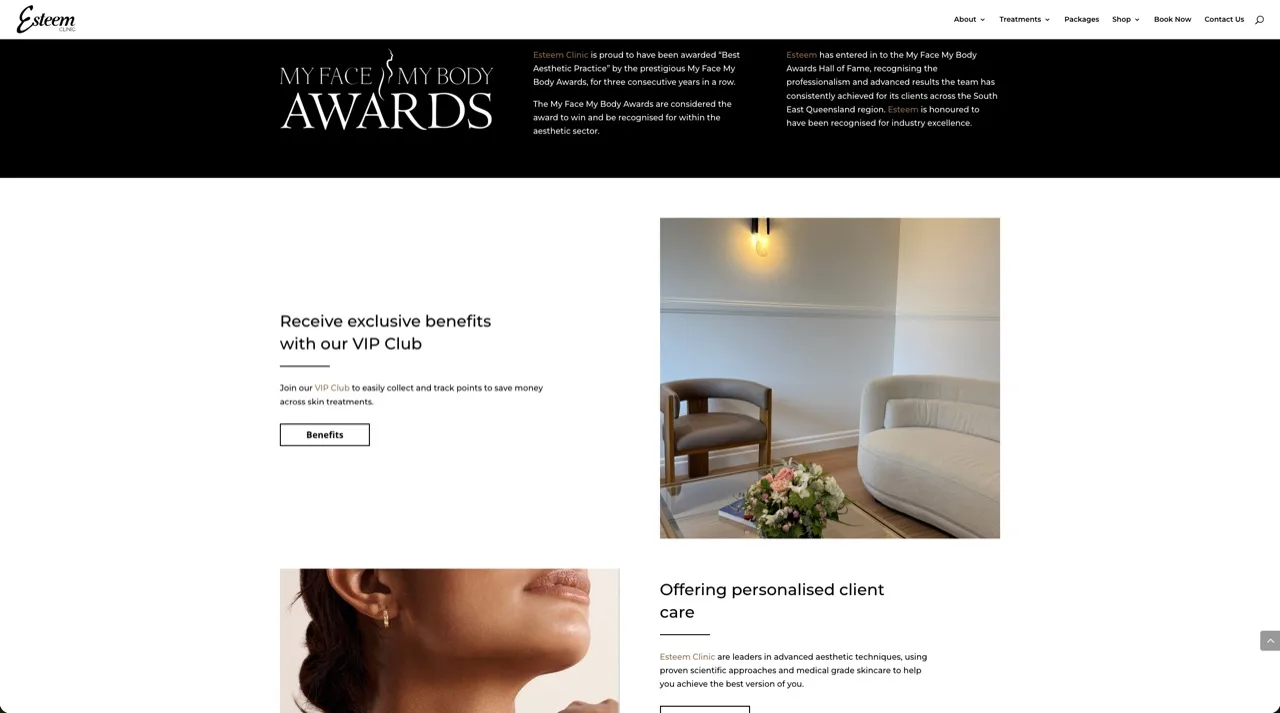
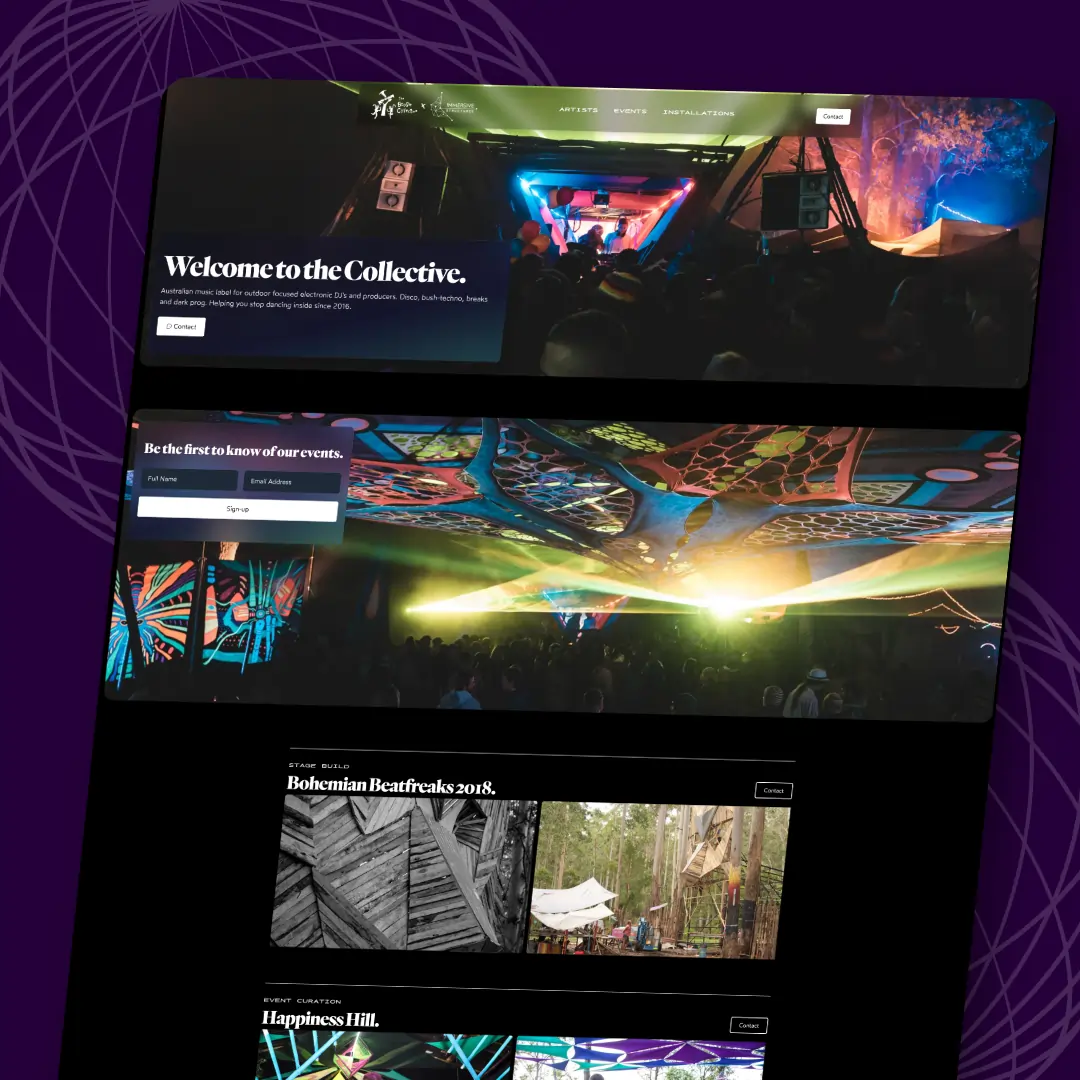
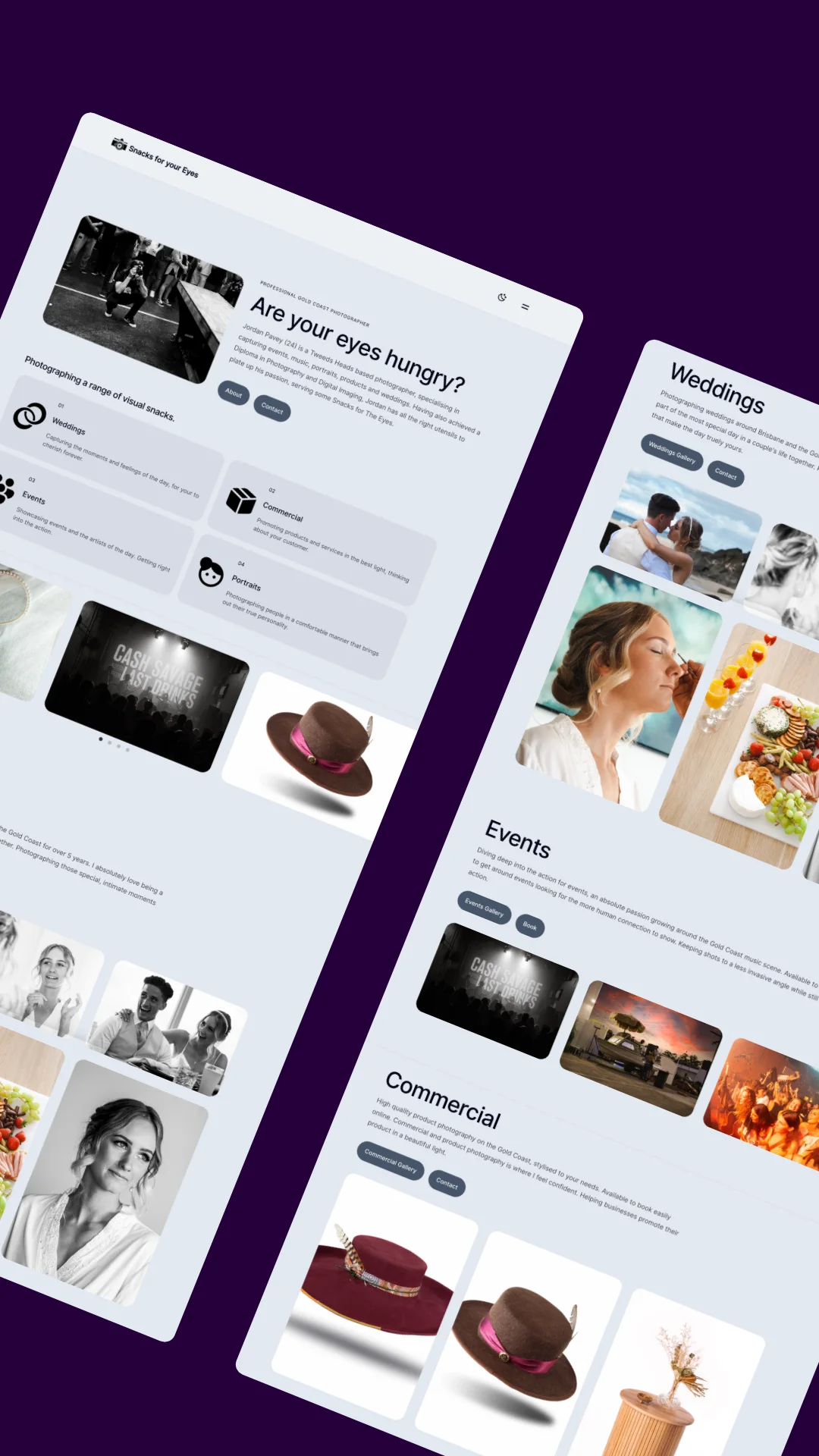
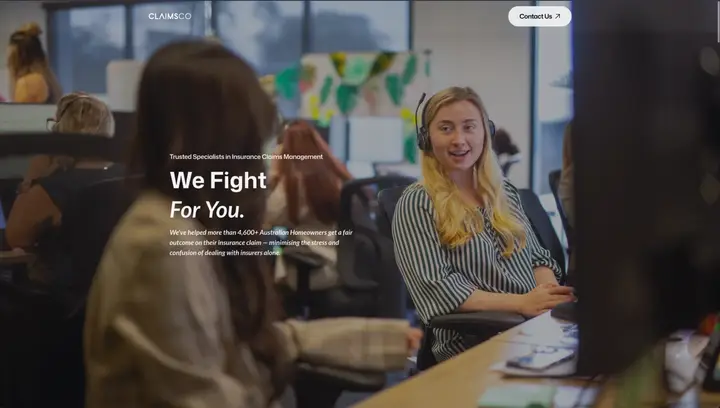
A portfolio of beautiful screenshots means nothing — screenshots don't load slowly, break on phones, or rank nowhere. Ask for live URLs, open three of them on your phone, and judge for yourself.
Run the test: does each site load in under three seconds? Can you find the main call to action instantly? Can you navigate without confusion? An agency's portfolio is the best work they've ever done — if the best isn't good enough, the average will be worse.
Go one step further and run those URLs through PageSpeed Insights while you're at it. It's free, takes thirty seconds per site, and turns "the design feels nice" into a number you can compare across every agency on your shortlist.
3. Check Who Owns the Code
Some agencies build on proprietary platforms; if you leave, you leave the website behind. Make sure you own the code, the design files, and the content — in writing, before you sign.
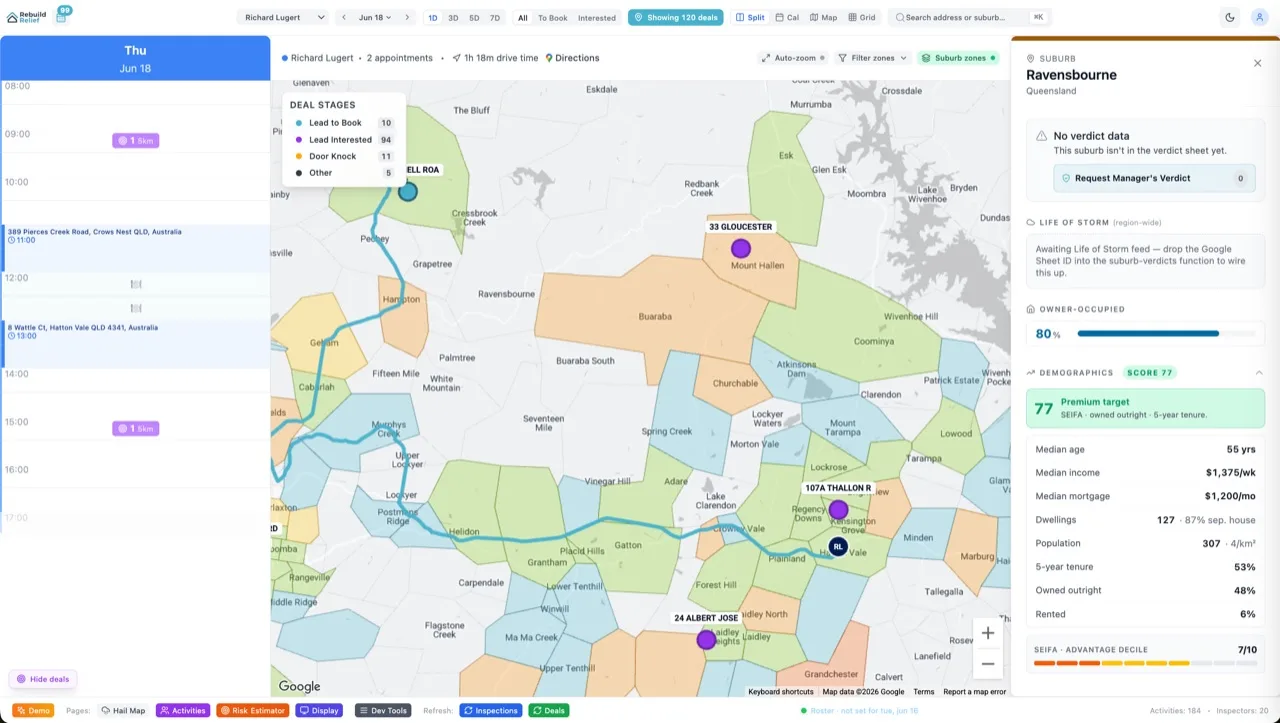
This is exactly why our Velocity X builds hand over the GitHub repo itself: from $4,995 buy-once, the site and its staff dashboard are yours outright, and any developer can pick it up. Ownership shouldn't be a premium feature.
4. Interrogate the Process
A good agency has a documented process — discovery, design, development, review, launch — and you should know exactly what happens in week one, two, and three. If the answer to "what happens after I sign?" is vague, the process is vague, and vague processes are how five-page sites take eight months.
Listen for conversion language too. If the first conversation is about colour palettes instead of your customers and goals, they're decorating, not designing. What that difference looks like in practice is the whole subject of our complete guide to conversion-focused web design.
5. Get Support Terms in Writing
What happens when you want changes after launch? Some agencies include a support period, others charge from day one — both are fine, but you need to know before you commit, not when the first invoice lands.
Ask the disaster question too: if this agency disappears next year, can another developer pick up my site? If the honest answer is no, you're not buying a website, you're buying a dependency.
Small changes are where support terms bite. A one-line copy edit shouldn't cost a minimum billable hour, and an urgent fix shouldn't wait a fortnight in a ticket queue — ask how both are handled before they happen to you.
6. Know the Red Flags That Should Stop You
- No live work. Screenshots and mockups only means the work doesn't exist or doesn't hold up.
- Guaranteed first-page rankings. Nobody can guarantee Google. Anyone who does is lying or using black-hat tactics that get you penalised.
- Hosting lock-in. Hosting should cost $10–50/month with the freedom to leave. $200/month on a two-year contract is a financing scheme, not a hosting plan.
- Unexplainable pricing. If they can't break down where your money goes, they don't know or don't want you to know.
- Pressure to sign today. Good work doesn't need urgency tactics. If the offer expires at midnight, you're at a used car lot.
7. Look for the Green Flags
The good ones reveal themselves early. They ask about your business before they talk about design — goals, customers, problems, not fonts. They show live sites that are still performing, ideally with before-and-after numbers from real clients.
Best of all: they talk you out of things. An agency that says "you don't need that feature" is prioritising your results over their invoice, and that's the agency you want holding your budget.
Clear terms are a green flag in their own right — ownership, hosting, and ongoing support spelled out in writing before you've asked. When an agency volunteers the answers to the awkward questions, it's because they've got nothing to hide in them.
8. Run the Gut Check
After the rational evaluation, trust your gut. Do they communicate clearly and respond promptly? Do they seem genuinely interested in your business, or are you just the next project in the pipeline? This relationship lasts months, sometimes years — you need to actually enjoy working with these people.
The best agency for your business isn't the biggest, the cheapest, or the one with the flashiest website. It's the one that understands your goals, communicates clearly, and treats your budget like it matters — because it does.
Put Us Through the Same Checklist
We're happy to be audited by our own list: 120+ live projects, Gold Coast based, sites that load in under a second with 95+ PageSpeed scores, buy-once pricing, and you own the repo. Start with our web design services, read the conversion-focused design guide to see how we think, then get in touch and ask us every question on this page.