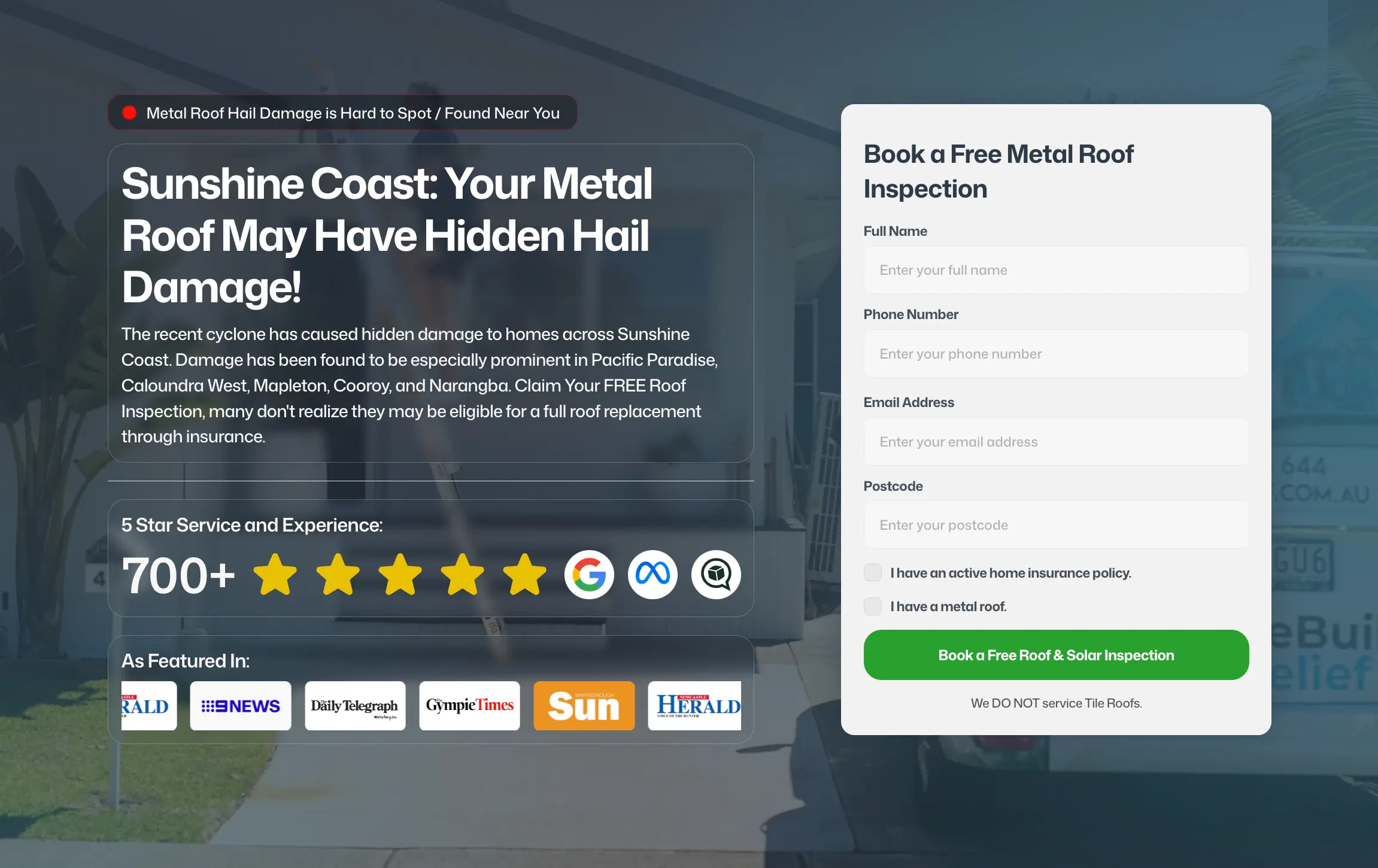

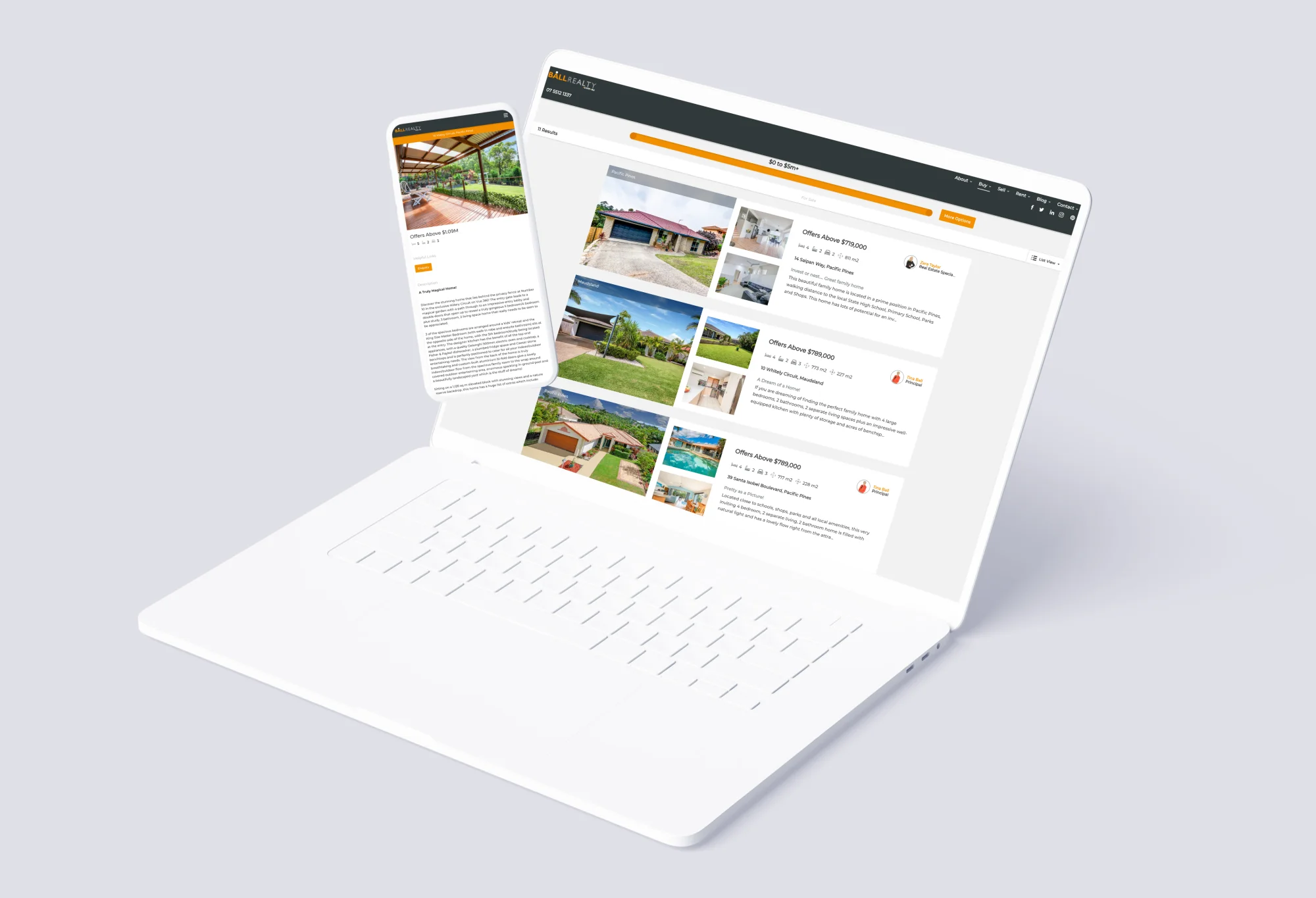
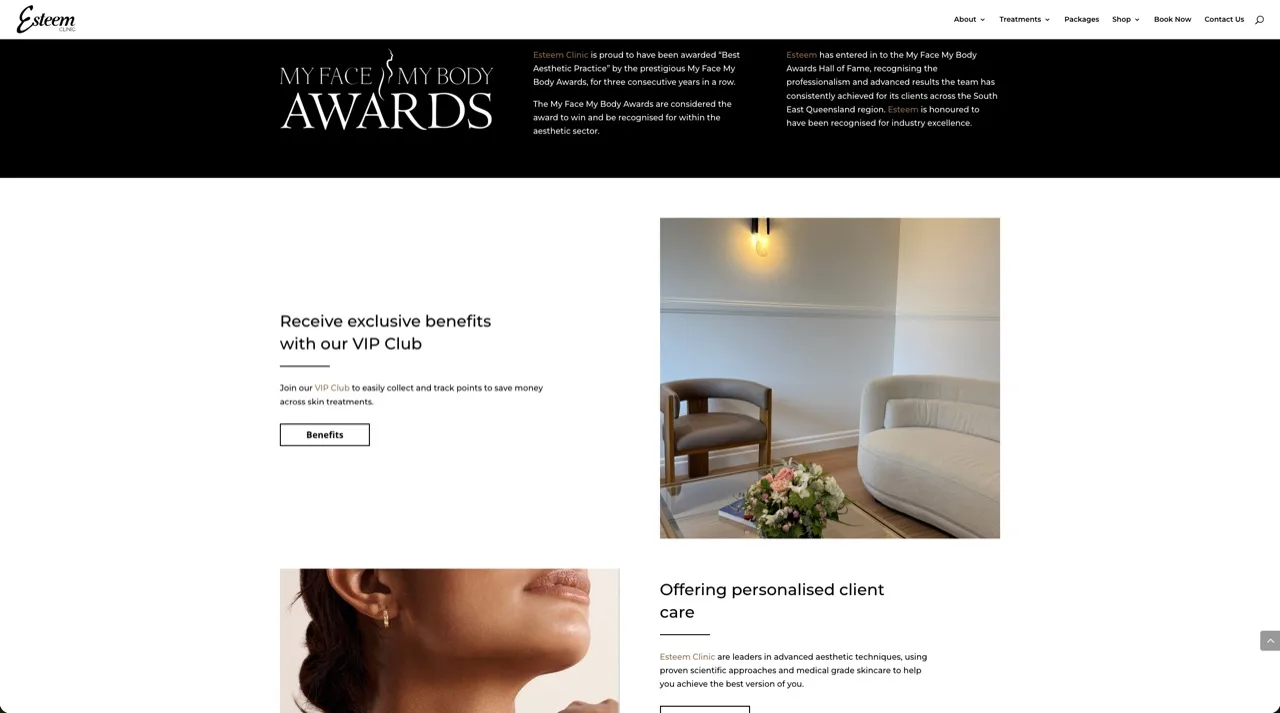

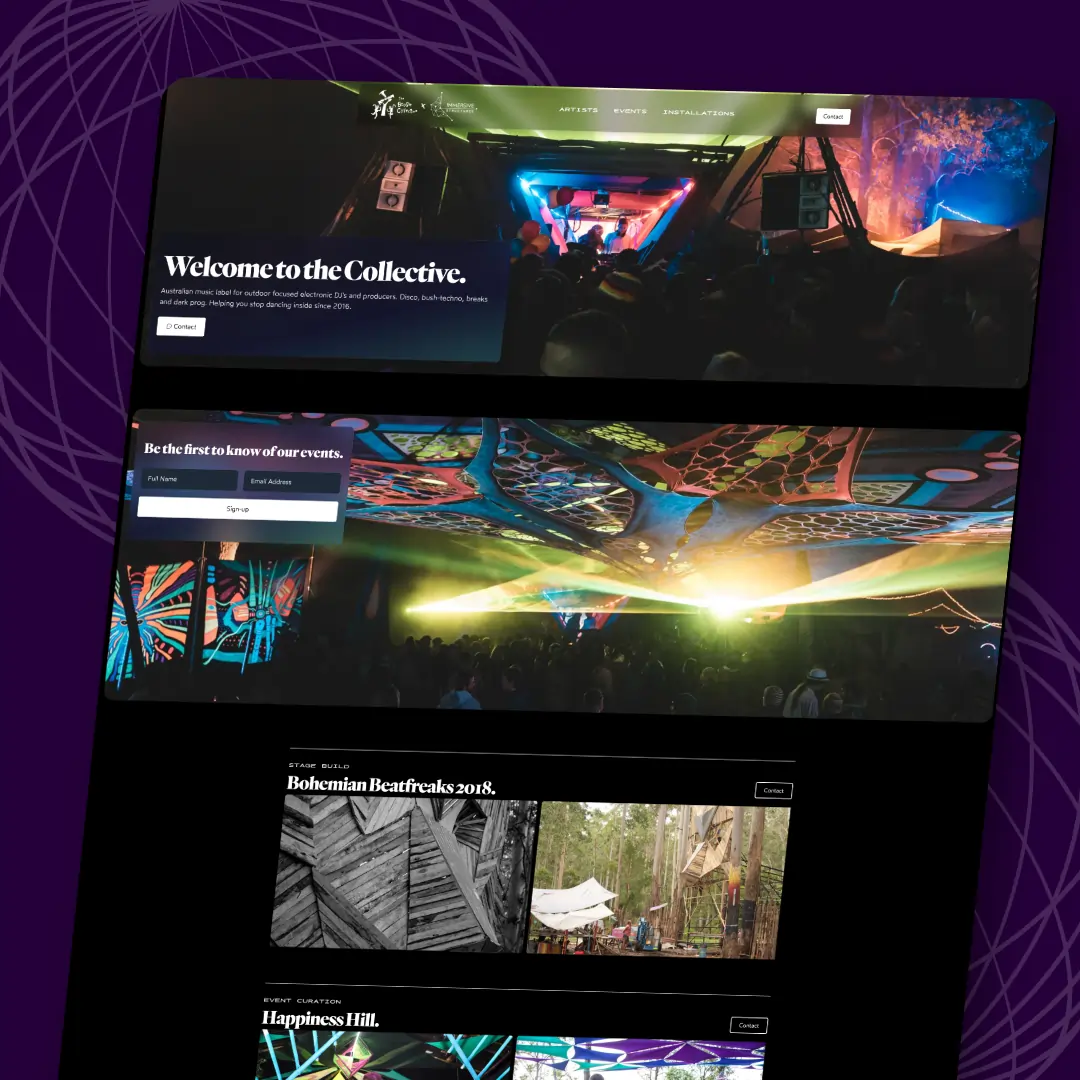
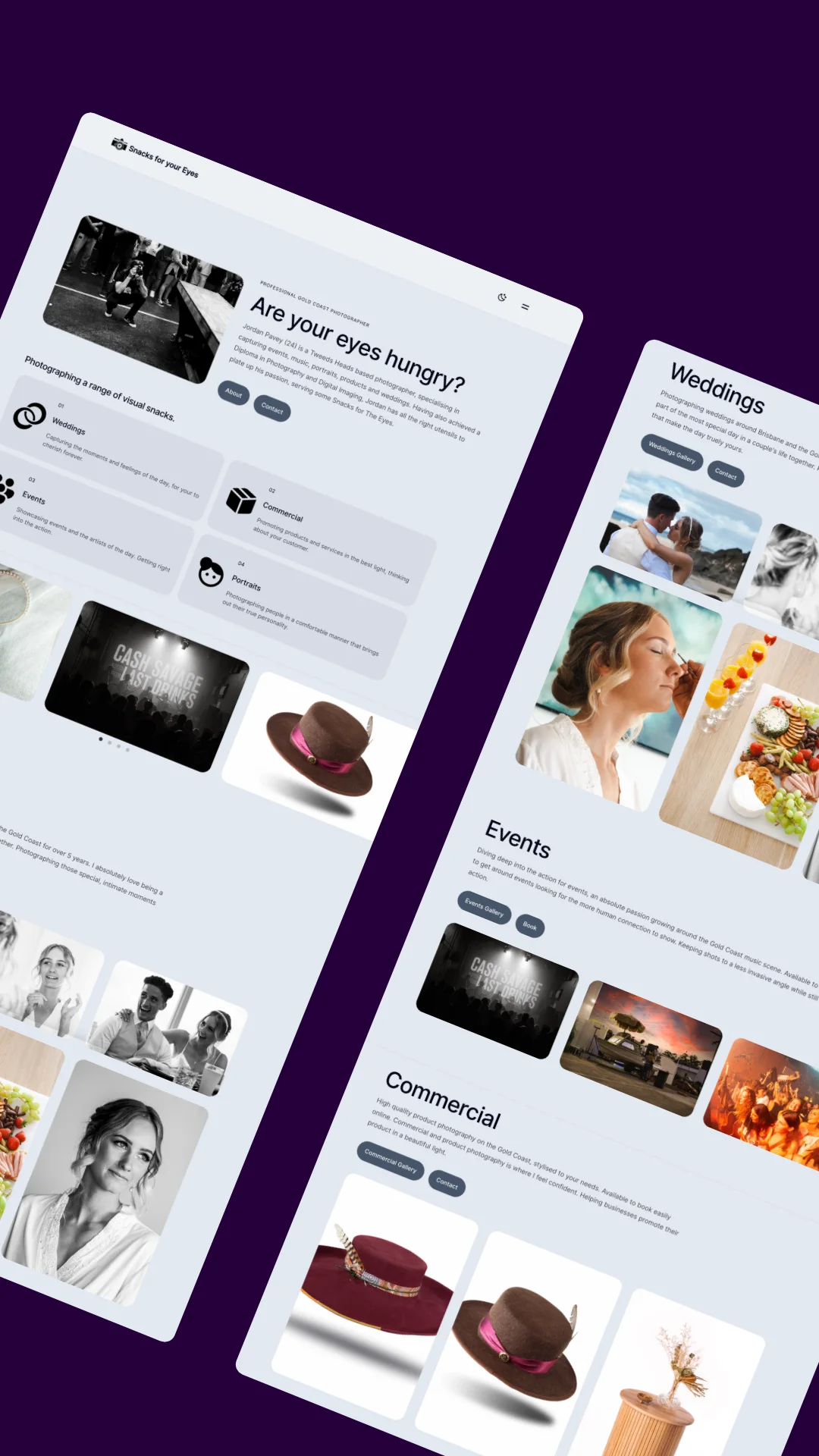


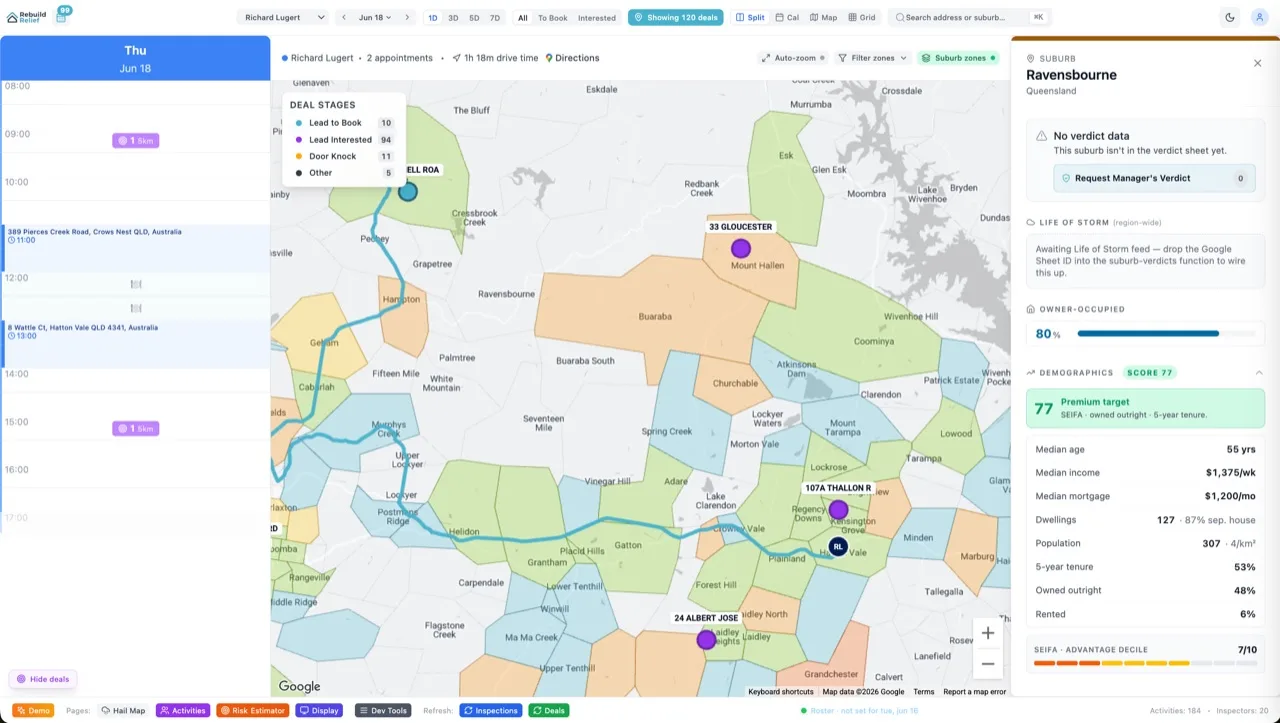


Every week, someone asks whether they should grab a Squarespace template or invest in custom web design. Fair question — templates are cheap, fast, and look decent in the preview. But your competitors are asking the same question, picking the same templates, and wondering why their conversion rates are identical to everyone else in their industry.
Let's cut through the noise: when templates make sense, when they don't, and why custom web design consistently wins for businesses that care about results rather than just existence.
Where Templates Win
Templates win on exactly one thing: speed to launch. If you need a website live by Friday and your entire budget is $500, a template is the right call — no shame in that.
They also genuinely make sense for personal blogs, MVPs that need market validation before real investment, and internal tools nobody outside your team will see. In those cases, pick a clean template, don't over-customise it, and move on with your life.
Where Custom Web Design Wins
Beyond speed-to-launch, custom pulls ahead in nearly every metric a business actually measures. Here's the honest scorecard.
Branding
Templates give you someone else's design language with your logo dropped in. Custom web design builds your visual identity from the ground up — typography, spacing, colour systems, interactions — so your site looks like you, not like every other business renting the same theme.
Performance
Templates ship code for features you'll never use: sliders you disabled, animations you turned off, e-commerce hooks on a site that sells nothing. All of that dead weight downloads and executes on every visit, on every visitor's phone, forever.
Custom builds include exactly what you need and nothing else — which is how our sites load in under a second and score 95+ on PageSpeed. Speed is both a ranking signal and a conversion lever, so the performance gap between custom and template compounds twice.
SEO
Template markup is generic by definition. Custom sites get semantic HTML structured around your specific content strategy — schema markup, deliberate heading hierarchy, internal linking a template simply can't accommodate. When you and a competitor target the same keyword with the same theme, Google is choosing between two near-identical documents; custom structure is how you stop being a coin flip.
Conversion Rate
This is the big one. A template pours your content into someone else's user flow; custom design builds the flow around your audience and your conversion goals — layout, CTA placement, information hierarchy, all intentional. The full playbook is in our complete guide to conversion-focused web design, and none of it fits inside a theme's opinions.
Scalability and Maintenance
Templates break when you outgrow them — a custom booking flow, a pricing calculator, or a client portal means hacking the theme apart or starting over. Custom builds are architected for where your business is going, with fewer dependencies and cleaner upgrade paths than a stack of plugins maintained by strangers.
Maintenance follows the same pattern. A template lives or dies on theme updates, plugin compatibility, and third-party developers who may have abandoned their code years ago; every update is a small gamble with your live site. A custom build has one owner, one codebase, and no surprise breakage because someone else shipped a change.
The Worst Option: "Customise a Template"
The most expensive path is usually the middle one — buying a template, then paying a developer to fight someone else's architecture, opinionated CSS, and code they didn't write. We've rescued dozens of these projects.
The pattern is always the same: the client paid for a template, paid a freelancer to customise it, then paid us to rebuild what the freelancer broke. Three budgets for one website. If your customisation needs go beyond colours and images, go custom from the start.
The Ownership Angle: Buy Once, Own the Repo
Here's the trade-off nobody prices in: with a template platform, you're a tenant. Stop paying the subscription and your website evaporates; want to leave and your "site" turns out to be a licence you can't take with you.
Our Velocity X builds flip that. From $4,995 buy-once, you get a custom website plus a staff dashboard built on Astro, React, and Supabase — and you own the GitHub repo outright. Any developer on earth can work on it, you can host it anywhere, and nobody can raise your rent. That's an asset on your balance sheet, not a subscription on your P&L.
The ROI Maths
Custom web design costs more upfront — that's a fact. But the real question is cost per conversion over the lifetime of the site, and a $15,000 custom site converting at 4% massively outperforms a $2,000 template site converting at 1.5%, before you even count the ongoing cost of fighting template limitations.
Run it against your own numbers: same traffic, nearly triple the leads, every month, for years. The template's sticker price stops looking cheap around week six.
The Decision Framework
Strip away the sales pitches and the choice comes down to three questions. Does your website need to generate revenue, or just exist? Will your needs change in the next two years — bookings, portals, integrations, anything a theme didn't anticipate? And do you want to own the asset you're paying for, or rent it indefinitely?
Two or three "the first one" answers and a template will serve you fine. Two or three of the second and you're a custom build waiting to happen — the only question is whether you do it now or after paying for the template detour first.
The Verdict
If your website just needs to exist — a digital business card with your phone number — use a template and spend the savings elsewhere. If your website needs to actively generate revenue, custom web design isn't a luxury, it's the whole point.
We build custom, conversion-focused websites for exactly that second group — 120+ projects delivered from the Gold Coast. See what buy-once ownership costs on our pricing page, and read the conversion-focused web design guide to see everything a template can't do.