

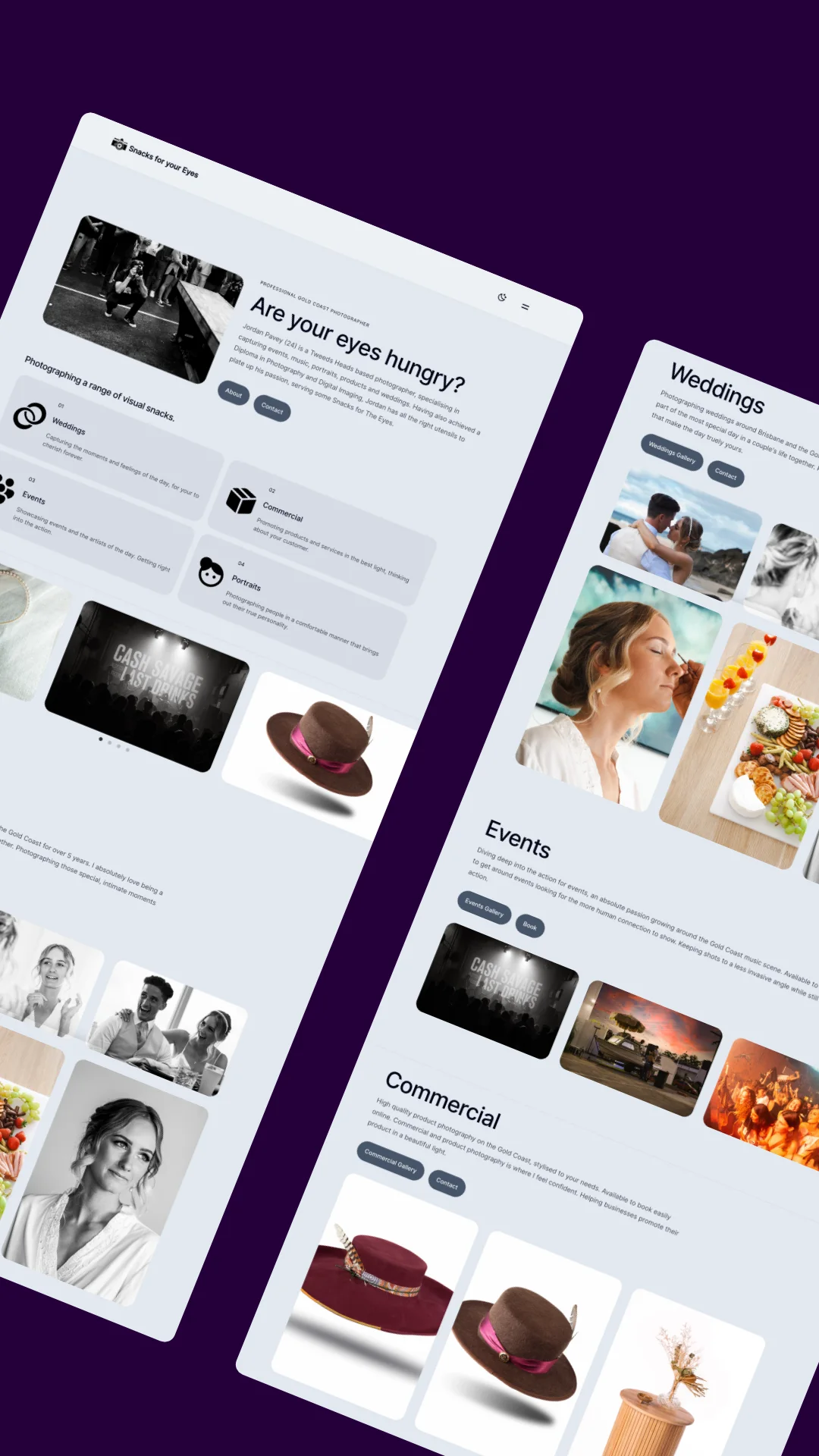
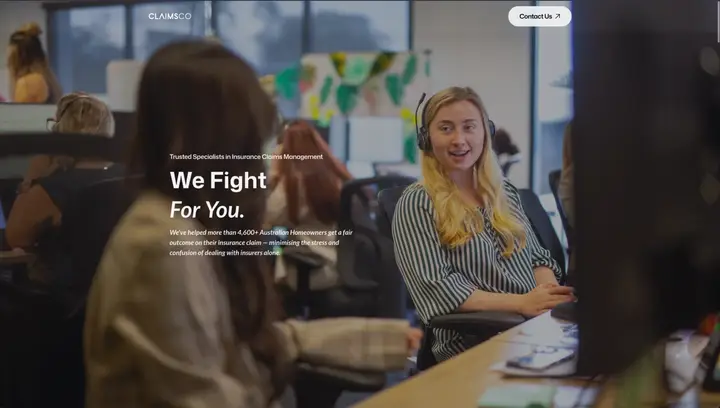

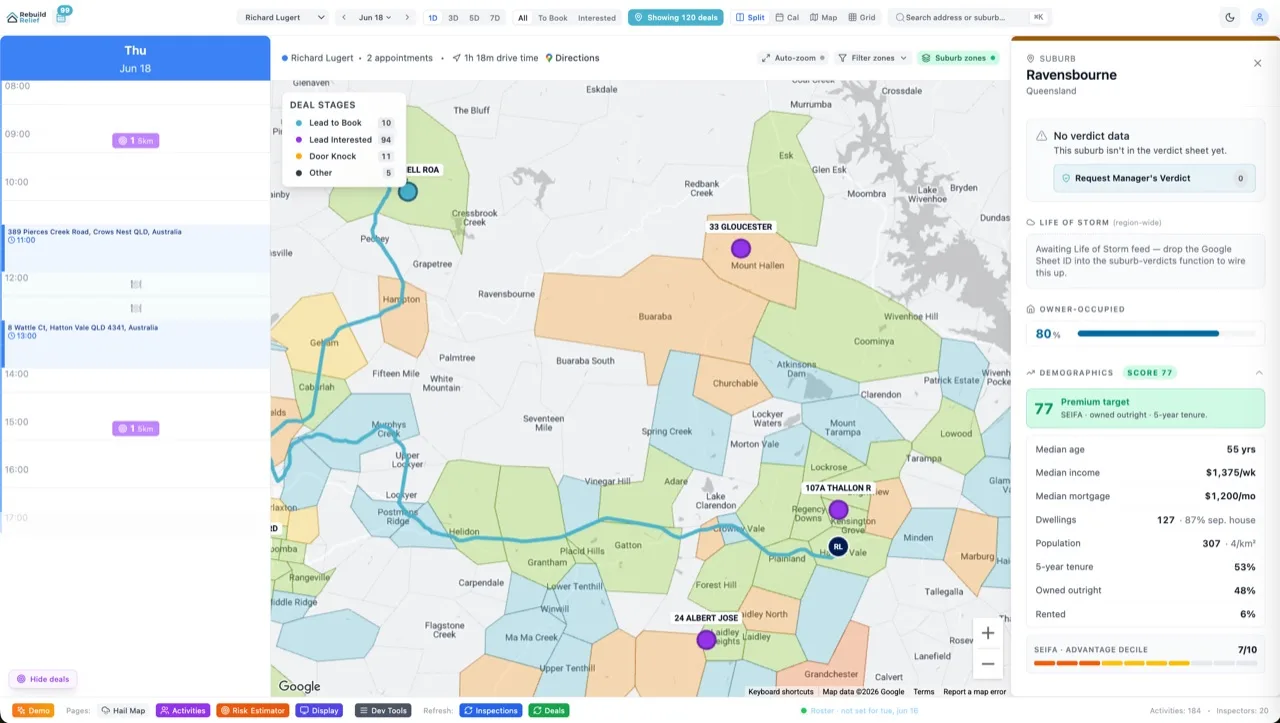


Draft — held from indexing while Aidxn adds first-hand project evidence and screenshots.
Most businesses do not need another vague promise to ‘improve their digital presence’. They need to know where the next enquiry is being lost. In 2026, the gap between a website that merely exists and one that earns its place in the business is surprisingly practical: can people find it, understand it, trust it and act without friction?
A September 2026 audit of 1,820 Australian small-business sites found that two in three took more than a second to begin responding, one in five had no structured data, and one in eleven blocked the crawlers used by AI search products. The study is from an agency and should be read as directional rather than universal, but the pattern is useful: foundational work is still being missed. Read the methodology and dataset.
What is winning: clear evidence over more pages
The easy response to a changing search landscape is to publish more. That is usually the wrong response. Google’s own guidance remains remarkably direct: content should be made for people, show original information or analysis, and leave the visitor able to achieve their goal. It explicitly warns against producing large volumes of automated or lightly reworked material just to capture search traffic. Google’s people-first content guidance is worth using as an editorial test.
For a local service or specialist business, the most defensible page is rarely a generic ‘ultimate guide’. It is a useful record of real work: the trade-off in a redesign, the before-and-after process, the questions buyers asked, the constraint that changed the approach, and the measurable outcome where permission exists. That is material competitors cannot recreate by prompting the same AI model.
What needs more effort: technical trust
Technical hygiene does not make a brand distinctive, but its absence makes a brand harder to trust and harder to discover. Start with the basics: a fast first response, crawlable pages, a clean mobile experience, accurate business details, descriptive headings and structured data that matches what visitors can actually see.
Structured data is not a shortcut to rankings. It is a way of reducing ambiguity for search systems. Use it for real organisation information, local business details, services, articles and FAQs where the answer is genuinely on the page. Do not manufacture review stars, FAQ copy or claims just to decorate a result.
AI search changes the content brief, not the need for a website
Australian small and medium businesses are adopting AI, but confidence and practical clarity are still uneven. The National AI Centre reported that 43% of Australian SMEs had some level of AI adoption across December 2025 to February 2026, with content generation and data analytics leading current uses among adopters. See the National AI Centre’s quarterly findings.
That makes a credible website more important, not less. AI-generated answers still need reliable sources to draw from. The useful response is not to write for a bot. It is to make your site easy for a person or system to verify: explain what you do in plain language, show where you work, identify the people behind the business, document the work, and keep the information current.
What needs more effort: the path from interest to enquiry
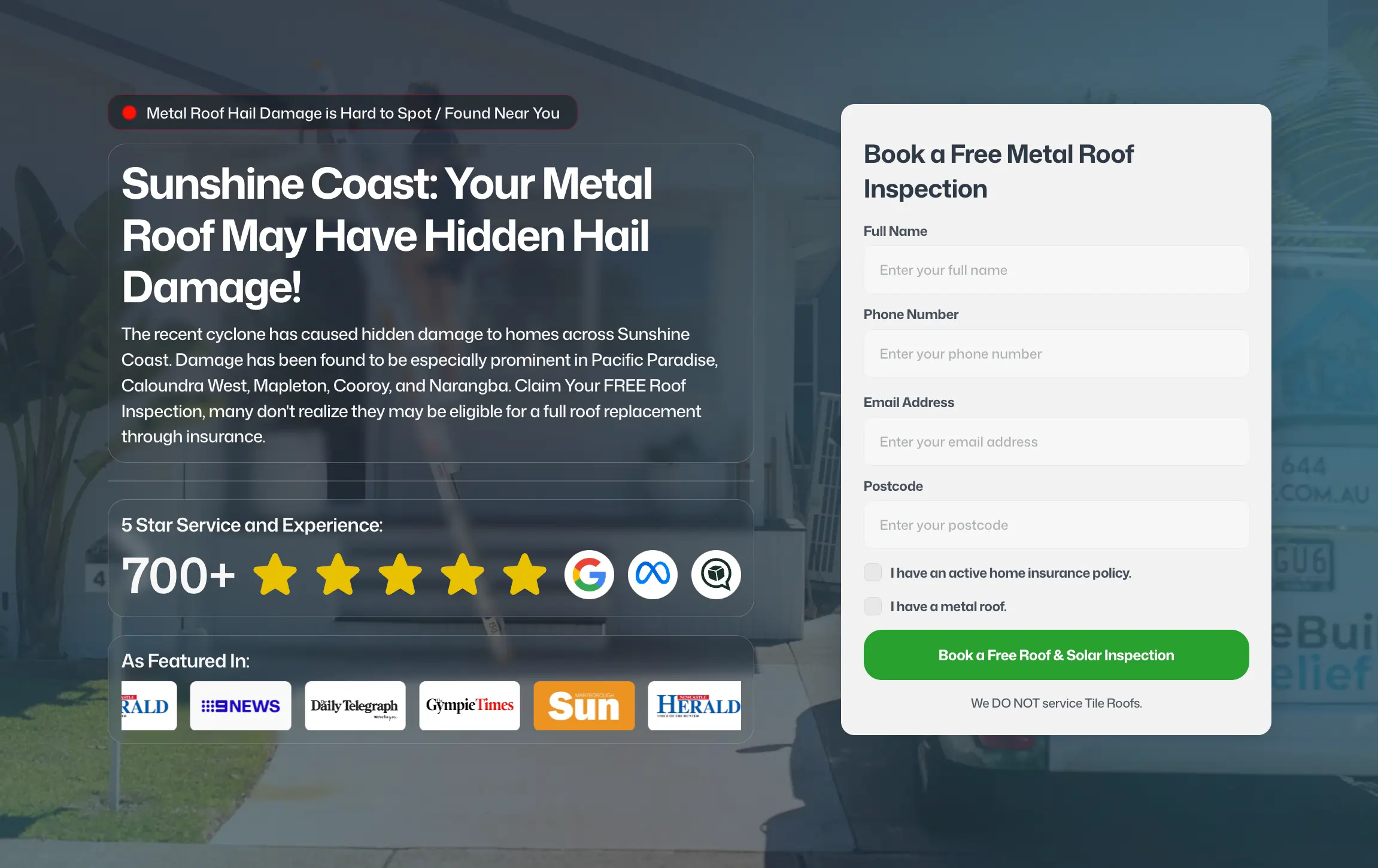
Traffic is not the same thing as opportunity. A visitor who has understood the offer should be able to take a low-friction next step without being forced into a long sales form or a dead-end contact page. The right amount of qualification depends on the job: a high-value custom build needs more context than a simple local-service booking. But every question must earn its place.
One recent cross-industry benchmark reports a sharp decline as forms move beyond five fields, while two- and three-step forms can outperform an equivalent single-page form. Treat those figures as a prompt to test rather than a universal target; your own lead quality and follow-up speed matter more than a generic benchmark. Review the benchmark and its segmentation.
The practical pattern is simple: state what happens next, ask only what helps route the enquiry, preserve momentum on mobile, and make the response promise realistic. A form is not a data-collection exercise. It is the moment someone decides whether your business feels easy to work with.
A 30-day website readiness plan
Week one: find the leaks
Check mobile pages on a real phone. Run a speed test on the homepage, service page and enquiry route. Confirm that titles, headings, canonical URLs, contact details and forms are doing what you think they are. Record the baseline before changing anything.
Week two: strengthen the proof
Choose one completed project or repeat customer question. Build a page around the decision process, not a portfolio caption. Add real images, direct language, the relevant service page and a clear next action.
Week three: improve the conversion path
Remove any field that does not help you respond. Make the primary action consistent across the important pages. Add a short confirmation state so the visitor knows the request landed and what happens next.
Week four: make the system maintainable
Assign ownership for reviews, project evidence, service changes and technical checks. The strongest website is not a launch-day artefact. It is a maintained sales and trust system.
The standard is higher, but the work is concrete
The businesses doing well are not chasing every search trend. They are making it easier to understand, trust and contact them than the business next door. That requires more original proof, more care in the conversion journey and more attention to the technical foundations than a template launch provides.
If your site has attention but not enough qualified enquiries, start with the journey your best customer takes from first search to first conversation. Start a project conversation with Aidxn and we can identify the few changes that will matter most.