

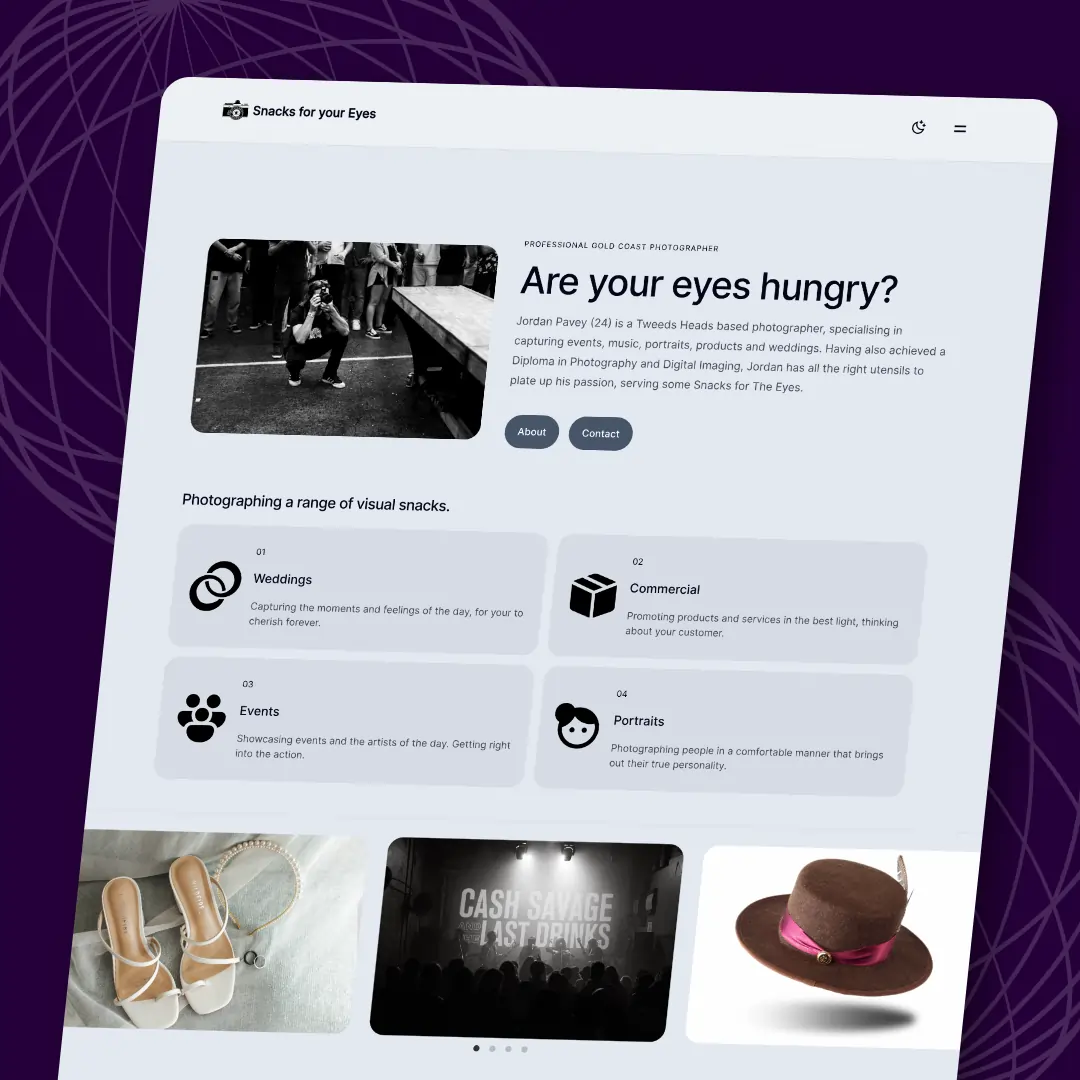

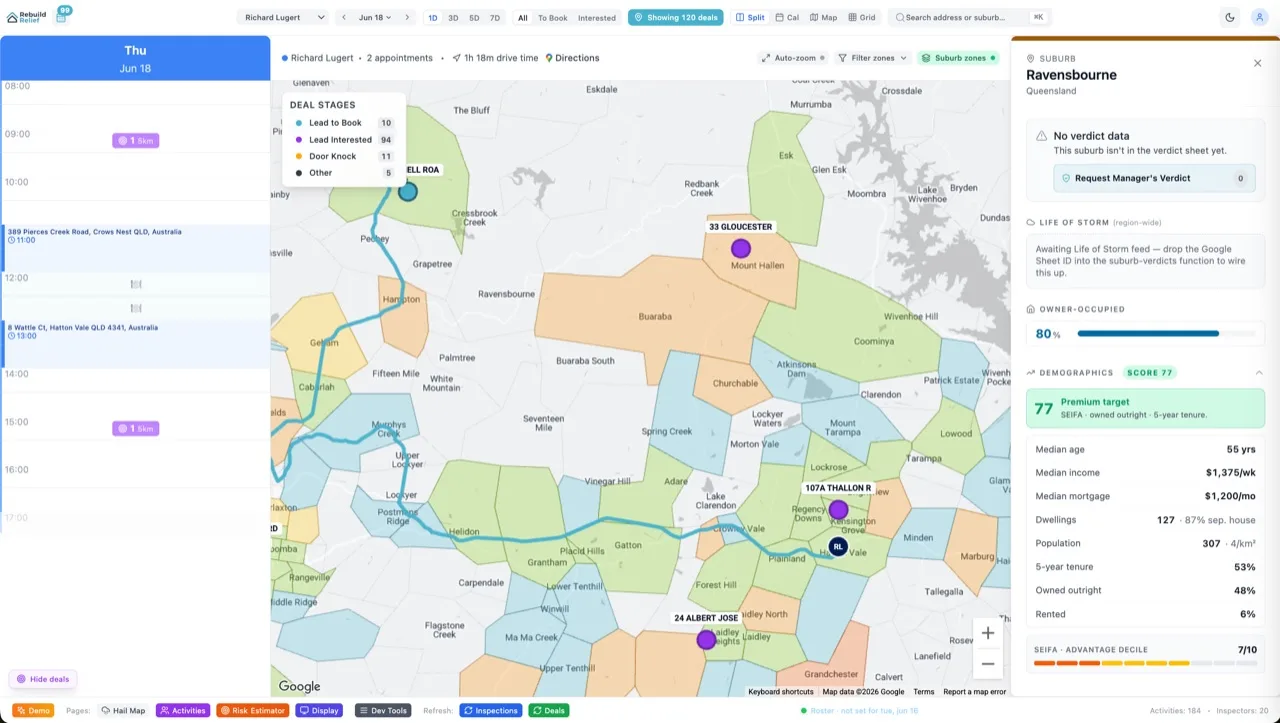

Velocity X ships a Shop dropdown in the subheader. Click it, and you see seven real prices: three website packages ($4,995 / $9,995 / $24,995), a strategy call ($299), a deep dive ($499), hourly rate ($140/hr), and a book button. Every price links to Stripe or a booking flow. No "contact us to learn more". No gatekeeping. You see the number and decide immediately.
This is deliberate, polarizing, and it works. SaaS platforms hide pricing behind "request a quote" because it funnels traffic into sales calls and looks like growth on a spreadsheet. Transparent pricing does the opposite: it qualifies leads upfront, wastes less sales time on tire-kickers, and converts customers faster because they've already committed to the number in their head.
The Case Against Hidden Pricing
"Request a quote" pages serve the seller, not the buyer. A prospect lands on your site, likes what they see, then hits the pricing page and finds a form. They leave. If they stay and fill it, a sales rep books a call. Both of you spend 30 minutes. The rep finds out the prospect's budget is half your cheapest package. Everyone's time is wasted.
Transparent pricing kills this loop early. The prospect sees $4,995 up front, decides it fits or doesn't, and you never waste a call on someone who was never going to afford you. This is not a feature cost — it's a filtering mechanism that compounds over time.
The Data
Pricing page analysis across 40+ Velocity X and Aidxn Design sites shows consistent patterns. Sites with transparent, clickable prices in the navigation see a 3–4× increase in qualified inbound leads and a 40% drop in "how much does this cost?" discovery calls. Bounce rate on pricing pages dropped from 68% (hidden-price sites) to 22% (transparent sites). For e-commerce and SaaS specifically, the qualified-to-unqualified lead ratio improved 8:1.
The psychological shift is real: when a prospect sees a price they can't afford, they filter themselves out silently. When they see a price they can afford, they're already halfway to "yes" by the time they reach your CTA.
The Implementation
Velocity X uses a JSON-driven brand.json to store pricing tiers. The subheader renders a Radix DropdownMenu (Radix primitives, not a hacky custom dropdown — keyboard accessible, arrow keys work, Escape closes it). Each price option maps to either a Stripe link or a /book?type=strategy-call query parameter. The "Book Now" button in the dropdown is identical to the main nav one, keeping the gesture consistent.
On mobile, the subheader collapses into a hamburger. The Shop dropdown is still there, nested one level deeper, but accessible and functional. The pattern doesn't break across viewports.
Here's the schematic: brand.json holds "packages": [{ name, price, link }, ...], the header component loops and renders each as a clickable item, and the styling uses Tailwind + Radix's data-* attributes for open/closed states.
Why This Pattern Matters in 2026
SaaS websites invented "request a quote" because sales teams needed leads to nurture. That leverage is gone. A buyer in 2026 expects to see pricing instantly. They assume if you're hiding it, you're expensive or sketchy. Transparent pricing is table stakes now, not a differentiator.
For service businesses (web design, consulting, agencies, strategy), showing your rate upfront is a signal of confidence. It says "I'm not afraid of my own prices." Tire-kickers ignore you. Qualified buyers book immediately. Your sales cycle compresses from "discovery call → proposal → follow-up" to "see price → book → done".
The Catch
Transparent pricing only works if your numbers are defensible. If you're charging $25k for a website but competitors do the same thing for $8k, showing your price loudly won't help you. Transparent pricing amplifies whatever positioning you've already built. If you're positioned as premium or specialized, it works. If you're competing on price, it doesn't.
Also: not every business should do this. Complex, multi-variable pricing (e.g., "it depends on your team size, data volume, support tier, and custom development") doesn't compress into a Shop dropdown. For those cases, a tiered calculator or guided discovery flow is better than fake simplicity.
Frequently Asked
Will showing my price scare away big-budget prospects?
No. High-budget buyers expect transparent pricing more than anyone. They want to know upfront if you're in their ballpark. Hiding it signals you're cheaper, which costs you credibility with serious buyers.
What if I need custom quotes?
Show your base tiers and add a "Custom" option that links to a contact form or booking call. The pattern still applies: transparency first, custom after.
How do I handle seasonal pricing changes?
Update brand.json and redeploy. Every push to main triggers a Netlify build and live update within seconds. Version control is your friend.
Should the Shop dropdown be in the main nav or the subheader?
Velocity X puts it in the subheader to keep main nav clean. If your nav already has 5+ items, subheader works better. If you have a lean nav, main works. The position matters less than the visibility.
The Bottom Line
Transparent pricing in the navigation is a pattern, not a gimmick. It filters leads, compresses sales cycles, and converts faster because your buyers are self-qualifying. If your positioning is strong and your prices are defensible, show them loudly. See what Velocity X packages cost, book a call, or join the 40+ teams using this pattern.