


If you run a small business in 2026, you're probably paying between $500 and $2,000 every month just to keep the lights on software-wise. Project management. CRM. Email marketing. Design tools. Accounting. Analytics. A hundred little SaaS subscriptions, each one $20-$300/month, each one impossible to cancel because your business runs on it now. This piece runs the numbers on what that actually costs over a business lifetime, why it's unsustainable, and why buy-once software is having a renaissance right now.
The Subscription Stacking Problem
Let's map what a typical small service business uses in 2026. A 5-person agency, consultancy, or trades firm.
Website builder (Webflow or Wix): $30-$100/month. CRM (HubSpot or Pipedrive): $50-$500/month depending on whether you're paying for AI features. Project management (Asana, Monday, or Notion): $20-$150/month. Email marketing (ConvertKit or Mailchimp): $30-$100/month. Design tool subscription (Figma): $12-$80/month, per seat. Accounting software (Xero or Wave): $15-$50/month. Analytics (Google Analytics 4 is free, but GA360 or Mixpanel if you want real data): $0-$2,000+. Calendar and scheduling (Calendly): $10-$20/month. Video conferencing (Zoom): $15-$200/month. File storage (Google Drive, OneDrive, or Dropbox): $0-$30/month. Chat and collaboration (Slack): $8-$12.50 per person, per month. Social media scheduler (Buffer, Later, or Hootsuite): $35-$499/month. SEO tools (Semrush or Ahrefs): $120-$399/month. Customer support (Intercom or Zendesk): $50-$500+/month if you're scaling. Learning and development (LinkedIn Learning or Skillshare): $20-$40/month. Invoicing and payments (Stripe, Square, or PayPal): transaction fees that often outweigh monthly subscriptions.
That's a bare-minimum stack. No overage charges, no premium tiers, no add-ons. Just the essentials. Conservative estimate: $400-$800/month. For a 5-person firm with $500K annual revenue, that's $4,800-$9,600 per year in pure software overhead. At 10 years, it's $48,000 to $96,000 in software licensing costs alone — and you own none of it.
For context, you could hire a contractor for 3-4 months a year and still spend less than your Zoom + Slack + Figma stack does annually.
Five Categories Where Buy-Once Is Beating SaaS Right Now
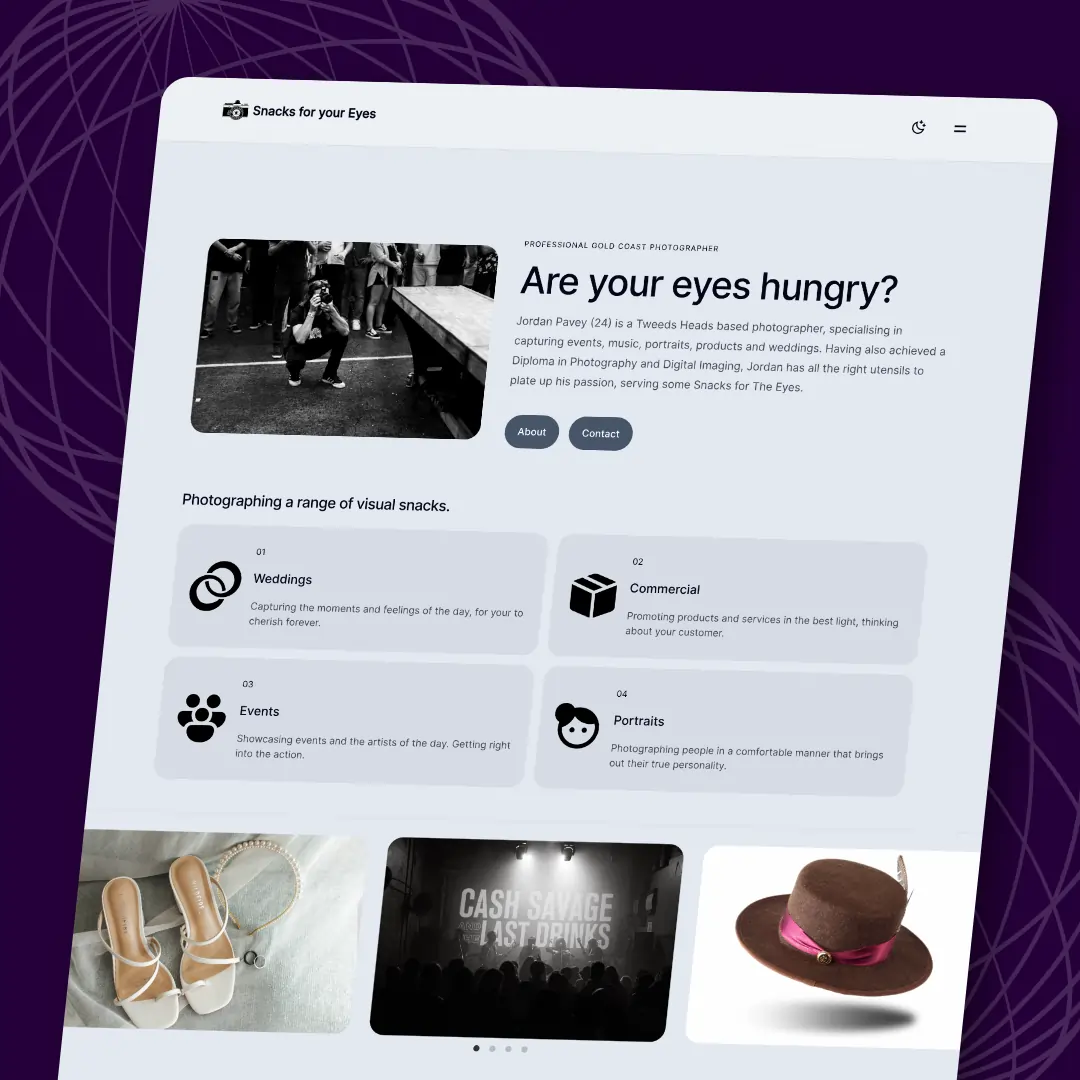
1. Website Builders. Webflow ($20-$100/month) vs. Velocity or comparable buy-once packages ($2,000-$10,000 one-time). At five years: Webflow costs $1,200-$6,000+ (plus learning curve, plus feature creep, plus price hikes). Buy-once recovers its cost in 24-36 months, and then you're in the clear. By year ten, you've saved $7,000-$16,000. And you own the codebase — if the platform disappears, your site doesn't.
2. Design Tools. Figma just changed its pricing model again (April 2026). Affinity Designer is $79.99 one-time, and in 2025-26 it's caught up to 90% of Figma's capability for 95% of real workflows. Affinity Photo. Affinity Publisher. Desktop licence once, cloud sync optional. A team of 3-5 designers that would spend $2,000-$3,000/year on Figma instead spends $400-$500 once. The Affinity ecosystem is eating into Figma's professional market share faster than any other software category right now.
3. Email Marketing. ConvertKit and Mailchimp are at $30-$100/month for anything real. Substack went free-to-paid. Kit (Stripe's email tool) and Loops are pulling people away from the subscription model with better builders and lower price caps. But the real shift is to self-hosted newsletters on platforms like Ghost (buy-once or self-hosted) and open-source tools like Mautic. A newsletter-first business that used to pay $500+/year to Convertkit can now host on Ghost for $10/month or build its own infrastructure entirely.
4. Hosting and Deployment. Netlify and Vercel disrupted traditional web hosting by offering free tiers with git-connected CI/CD. But they're monetizing upward: Netlify's analytics and enhanced builds are paid-only. Cloudflare Pages and GitHub Pages are free, forever. A 10-person team with 5 sites can host everything on free tiers and pay zero per month. That's not a buy-once product; it's a buy-never product. The SaaS hosting model is collapsing from below.
5. Accounting and Invoicing. Wave (free tier, optional paid) and Stripe Billing are making Xero and QuickBooks defensible but not obviously better. Wave's free plan covers most small-business accounting. You're not forced to pay per month just to exist as a business anymore.
Why Buy-Once Is Feasible NOW (And It Wasn't in 2018)
Three things changed between 2018 and 2026 that made buy-once software viable again:
Hosting costs collapsed. Netlify, Vercel, and Cloudflare free tiers are genuine. A site with 100,000 monthly visitors costs $0 to host on Netlify free. A decade ago, that was a $50-$200/month AWS bill. Hosting was the variable cost that justified subscriptions. It's gone.
AI lowered the per-customer cost of building software. Velocity X ships at a 10x lower burn rate than a comparable web agency would have needed in 2015 because Claude Code does 60% of the work. Affinity's small team can compete with Figma's 700+ because AI handles bugs and feature parity. The economics of building software changed. Buy-once pricing became profitable again for solo founders and small teams.
Lock-in fatigue is real. Businesses are actively looking to leave SaaS platforms now. The psychological cost of the subscription model — price hikes, feature gating, the feeling of paying for nothing every month — is pushing people off platforms they've been on for five years. Escape velocity is hitting escape velocity.
Six Frequently Asked Questions
But won't my business need updates and support?
Updates: yes, but infrequent. A website built on Astro in 2024 needs maybe one or two dependency bumps per year. That's an afternoon of work. With Claude Code you can do that yourself in 2026; in 2018 you'd hire someone. Support: buy-once products usually include 30-90 days of post-launch support. After that, you either maintain it yourself (AI-friendly now) or hire hourly help ($100-$200/hour when you need it). A typical small business spends $0-$2,000/year on maintenance versus $5,000+ on SaaS subscriptions.
Isn't Storyblok/Sanity/Contentful (headless CMS) cheaper than SaaS website builders?
Storyblok starts free and scales to $300-$800/month for enterprise teams. That's cheaper than Webflow for a 20-person shop, but it's still a subscription. Sanity is free tier + paid (up to $900+/month). If you're serious about long-term cost reduction, a self-hosted database (Supabase, your own Postgres) with a buy-once frontend wins. But headless CMS products are at least offering real free tiers and usage-based pricing, which beats the old "pay for the plan or get nothing" model.
What about software as a service for operations (Pipedrive, HubSpot)?
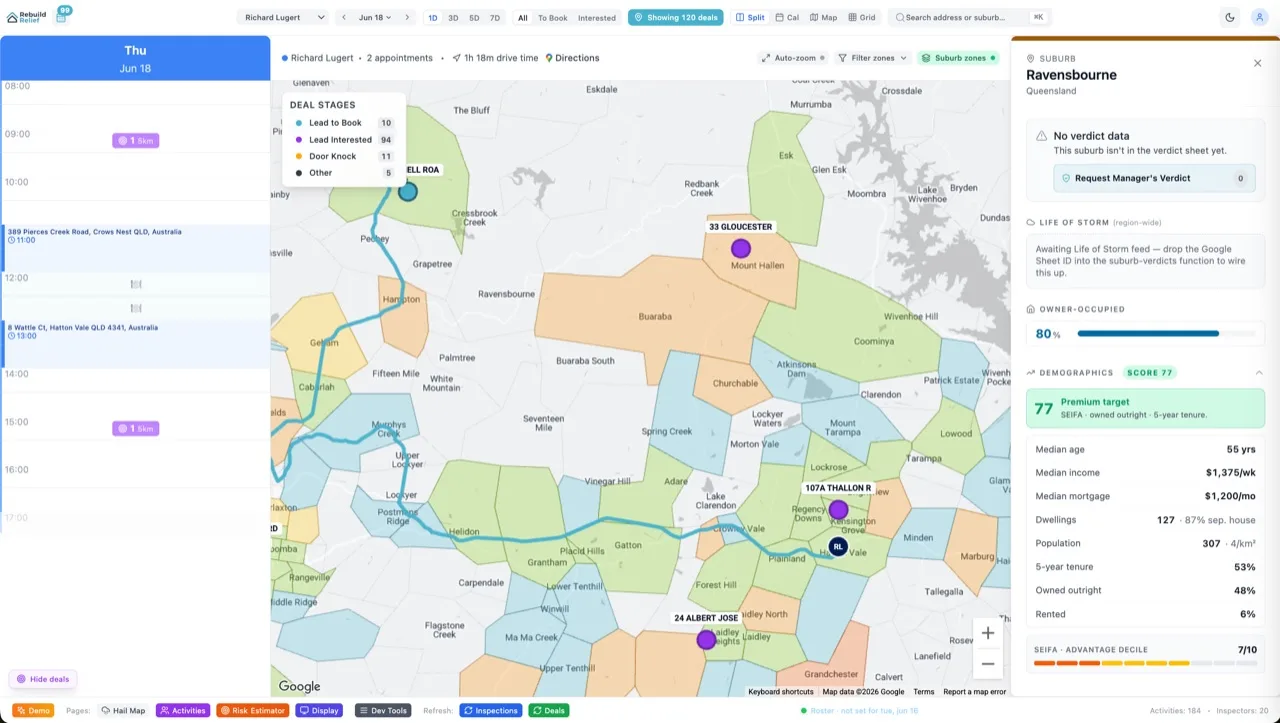
CRM is the one category where buy-once struggles because the data layer is complex and needs cloud infrastructure. There's no realistic buy-once CRM competitor yet. But even here, the subscription model is being challenged: HubSpot slashed its free tier in 2023, and startups are building focused replacements (Pipefy, Attio) that offer better value within the subscription model. And Pipedrive's basic tier is $12.50/user/month, which is honestly cheap by SaaS standards. The shift here is toward lighter, cheaper alternatives rather than buy-once replacements.
Isn't the total cost of ownership (TCO) higher with buy-once because I own the risk?
No. SaaS vendors raise prices, deprecate features, and go out of business. You own that risk on a subscription. With a buy-once codebase on your GitHub, you own infrastructure risk (unlikely to matter — Netlify or Vercel won't disappear) and maintenance risk (solvable with $100/hour developer help). The math still strongly favours buy-once.
Do buy-once tools integrate with my existing stack (Slack, Zapier, etc.)?
Often, yes — through Zapier or Make (formerly Integromat). But buy-once tools are typically better integrated by default. Velocity X, for example, includes OAuth and native integrations with Pipedrive, HubSpot, and Meta. A codebase written with integrations baked in is actually more customizable than relying on third-party middleware.
Can I use a buy-once tool if I'm non-technical?
Depends on the category. A buy-once website (Velocity)? You don't edit code yourself; you hire someone hourly or use Claude Code. A buy-once design tool (Affinity)? There's a learning curve, but it's the same curve as Figma. A buy-once accounting tool? Most of those aren't truly "buy-once" — they're just more expensive one-time purchases (like QuickBooks Desktop, which Intuit is killing). The non-technical angle is the strongest advantage SaaS still has, but it's narrowing as AI editing tools democratise code changes.
The Bottom Line
The SaaS subscription model won because it was profitable for vendors and solved real problems for customers circa 2013-2020. It still solves those problems, but the price tag has become unjustifiable for small businesses. A typical firm is spending $5,000-$15,000 per year on subscriptions just to operate. Over a 10-year business lifetime, that's $50,000-$150,000 in software licensing alone — money that could hire people, buy equipment, or genuinely move the business forward.
Buy-once alternatives are winning in categories where the data layer is simple (websites, design, email, hosting), and they're forcing SaaS competitors to justify their pricing in categories where they're complex (CRM, accounting). If your business isn't locked into a category that genuinely requires a subscription, switching to buy-once tools isn't just cheaper — it's more durable and more aligned with how software actually works in 2026. See how custom websites fit into your strategy at our pricing page, and read the full cost analysis in Buy-Once Custom Website vs SaaS Subscription.