

New Velocity X customer gets onboarded. They're live by day seven — logo uploaded, calendar synced, seven-step checklist complete. Then real life happens: "Wait, where do I see my reps' activity?" or "How do I export next month's targets?" or "Can I bulk-edit territories from here?" Instead of a support thread that sprawls across three days and six back-and-forths, they get a personal video. 5 minutes. Aiden recorded it yesterday. Walks through the exact dashboard for their business. Shows the three things they asked about. Sign-off: "You're good to go." Customer watches once, saves it, never Slacks again. That's the Loom playbook.
Why Loom Beats Live Calls for 80% of Onboarding Questions
Live onboarding calls are sacred: 1:1 time, questions answered in real-time, customers feel heard. They're also expensive. One 30-minute call ties up both people for the whole slot. Two calls, you've burned an hour. Ten customers in a month? That's 5 hours of your life. And half the time, the customer's question was "how do I find the CSV importer?" which takes 90 seconds to answer but felt urgent enough to book a meeting about.
Video walkthroughs are async. Customer watches at 9pm on Tuesday. Rewinds to the part about role assignment. Sends it to their manager Wednesday morning. "Here's what we're working with." No timezone juggling, no calendar conflicts, no "let's sync up next week." The customer gets a permanent reference they can play back. The cost to Aiden: 10 minutes of recording time after the first three days of the relationship. Net savings: 30+ minutes that would've been Slack faffing.
The Recording Template (What Every Loom Includes)
Consistency beats perfection. Every Loom follows the same shape so customers know what to expect and find what they need fast.
Segment 1: Intro (60 seconds)
"Hey [name], this is Aiden from Velocity X. Quick walkthrough of your dashboard — I've set up your brand and territories based on what you told me. This video shows you where to find your reps' activity, how to update territory rules, and the one tip that saves 10 minutes a day. Any questions after this, reply to this video and I'll jump on it." Fast, personal, sets the scope. Not "here's a 20-minute tour of every button" — specific to them.
Segment 2: The Dashboard Tour (3 minutes)
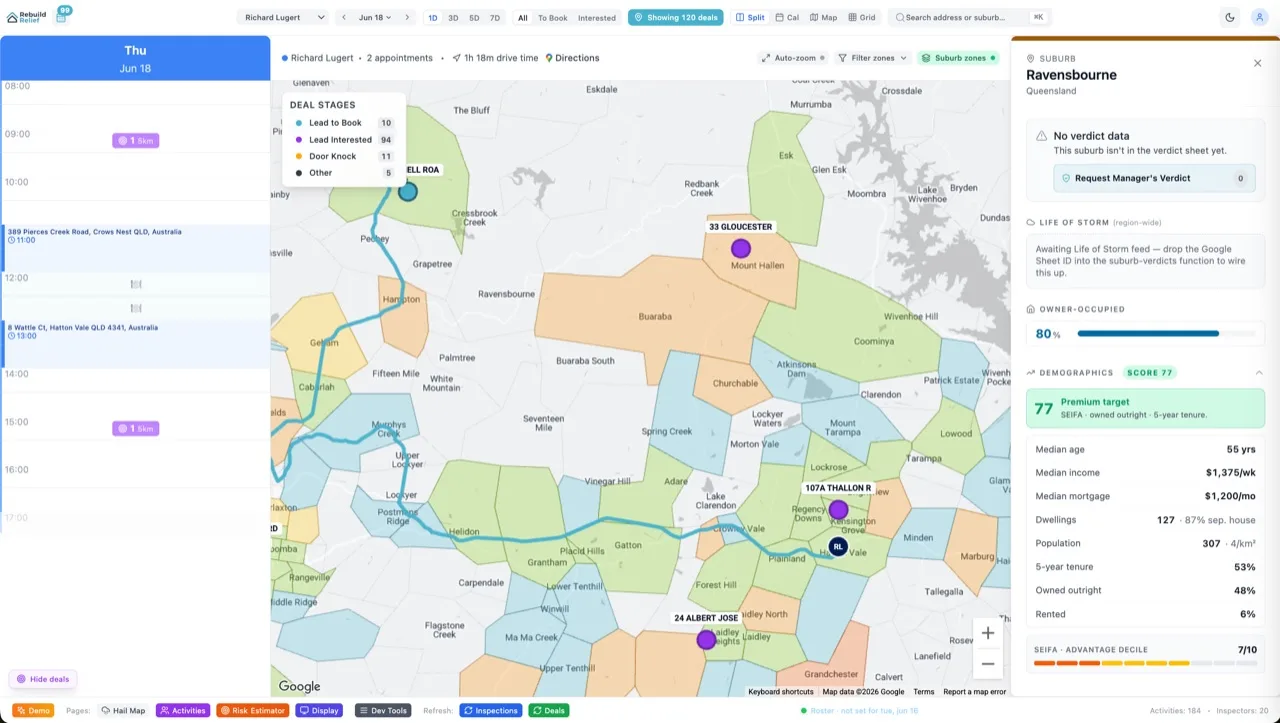
Live cursor, no cuts. "Here's the home screen — your three reps, their activity last week, pipeline by territory." Hover over a chart. "Click this to drill down into one rep's calls." Scroll to the sidebar. "Territory rules are here. We have your 15 zones already loaded." Point to a button. "This red one lets you bulk-edit assignments." Simple, visual, no script.
Segment 3: The One Setup Tip (90 seconds)
The thing that saves them time. "Pro tip: your calendar is already synced, so new appointments auto-populate as 'next meeting' for each rep. Don't re-add them manually — the sync catches 95% of them." Or: "The CSV importer has a template download. Use it to update leads next week. Much faster than the web form." Specific to their use case, not generic.
Segment 4: Sign-Off (30 seconds)
"You're good to go. If anything's confusing or you want to add another rep, send me a message. Otherwise, spend this week getting your team familiar with the layout. I'll check in Friday." Warm, actionable, opens the door to follow-up without obligating them to take it.
Why This Scales to 1000+ Customers Without Hiring Support
Aiden records a Loom for every new Velocity X customer in their first week. Takes 10 minutes per person. Scale that: 100 customers a month = 1000 minutes = 16 hours of recording, spread across the month. One person can do that in four days of half-hours. Compare that to live support: 100 customers × 30 minutes average = 50 hours. Loom saves 34 hours per 100 customers. At 1000 customers, that's 340 hours saved per month — roughly 8.5 full-time employees worth of support bandwidth.
The magic is reusability. If ten customers ask "how do I export targets for next month?", Aiden records one 2-minute Loom and links it to all ten. No re-recording, no repeating himself. The video lives in the customer portal, tagged "Exports" so new team members find it when they onboard. That's leverage that a Slack conversation doesn't have.
Embedding Looms in the Customer Portal
Each Loom is embedded in the customer's onboarding portal, not sent as a raw link. Organization matters. The portal has tabs: "Day-by-Day Setup" (the seven-step checklist), "Dashboard Tour" (the personal Loom), "FAQ Videos" (category tabs: Exports, Integrations, Team Setup, Territory Rules), and "Live Support" (book a call if truly stuck).
Customers land there and see: "Your dashboard tour is here. Watch this first." They click, watch, feel prepared. Most never need to scroll to the FAQ section. But it's there. The portal becomes self-service documentation that's personalized, not generic. No "read these 47 help articles" — just "here's your video, plus five others people ask about."
Frequently Asked Questions
Do you record a different Loom for every single customer?
Yes, but with heavy reuse. The intro and dashboard tour are 80% the same every time — just different brand names, different territory counts, different rep names. Recording software (Loom, ScreenFlow, OBS) can template a lot of this. Aiden often records one "baseline" Loom once a week and personalizes the intro and one custom segment per customer. 10 minutes total, not 30.
What if the customer never watches the video?
Loom analytics show watch-through rate. If a customer doesn't watch in 48 hours, Aiden sends a 1-line follow-up: "Hey, sent you a quick tour of your dashboard — worth a watch before you dig in solo." Most watch after that. If they still don't, they're probably fine — power users don't need video hand-holding.
Can customers re-watch or share the video internally?
Absolutely. One customer shares the "Dashboard Tour" with their six new team members every quarter. Saves Aiden from recording six individual onboarding calls. The video is a permanent asset — every view is leverage.
What about customers with more complex setups — do they get longer videos?
Enterprise customers get two Looms: the 5-minute "get started" and a 12-minute "advanced setup" covering role-based access, custom fields, API keys, and webhook setup. Still way faster than a live call. And Aiden only records the advanced one once — it's reused across all enterprise tier customers with minor tweaks.
Does this scale if you hire support staff later?
Yes. Support reps can record Looms too. The customer portal becomes a knowledge base that both Aiden and support team members contribute to. New hire records their first Loom on day two. By month two, there are 20 videos covering every question support has answered. Automation pays dividends.
What about customers who prefer live calls?
The portal has a "Book a Call" button that routes to Aiden's calendar. But most people use it for complex questions, not basic onboarding. "I want to set up a custom webhook integration" → book a call. "Where's the CSV importer?" → watch the Loom. The video does the filtering.
The Bottom Line
Async beats sync for 80% of customer questions. A 5-minute Loom recorded once saves 30+ minutes of email, Slack threads, and scheduling friction. It scales to 1000+ customers without hiring support. It's a permanent asset that customers share internally and new team members watch at 2am when they're trying to solve something. The effort is front-loaded — Aiden spends 10 minutes recording and gains hours back. That's the economics of good onboarding. Live calls are for the 20% of questions that truly need back-and-forth. Everything else? Loom, embed, move on.