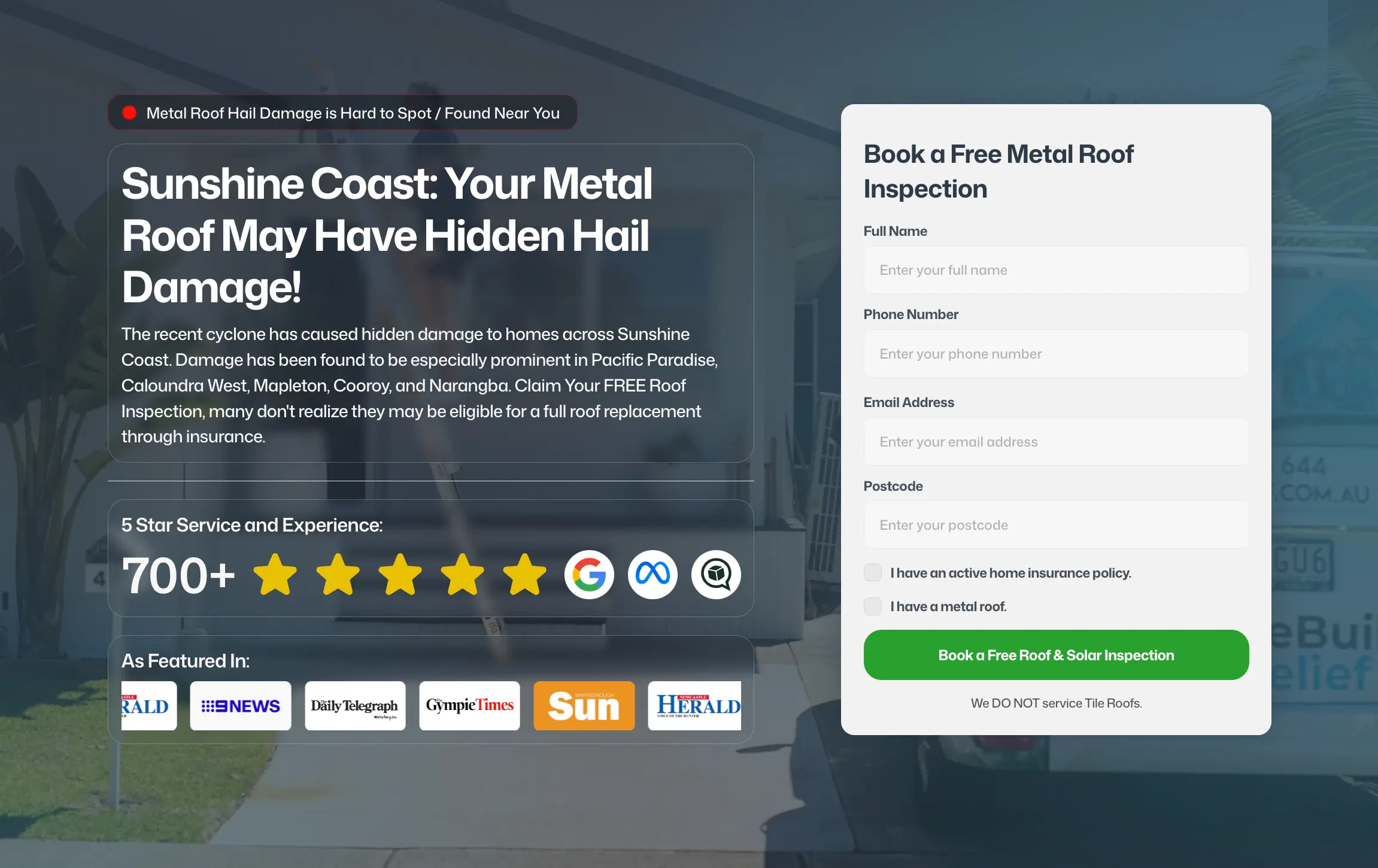

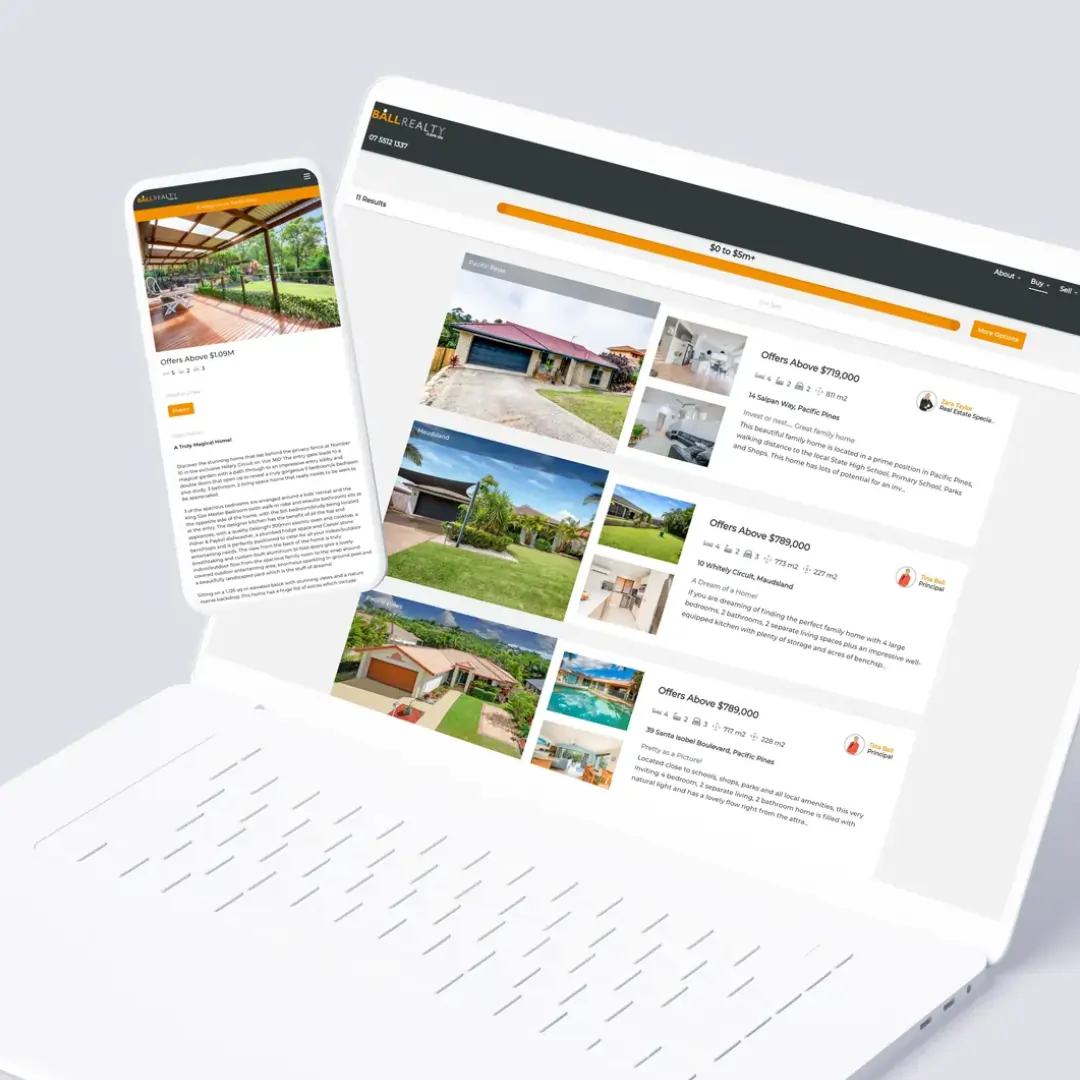
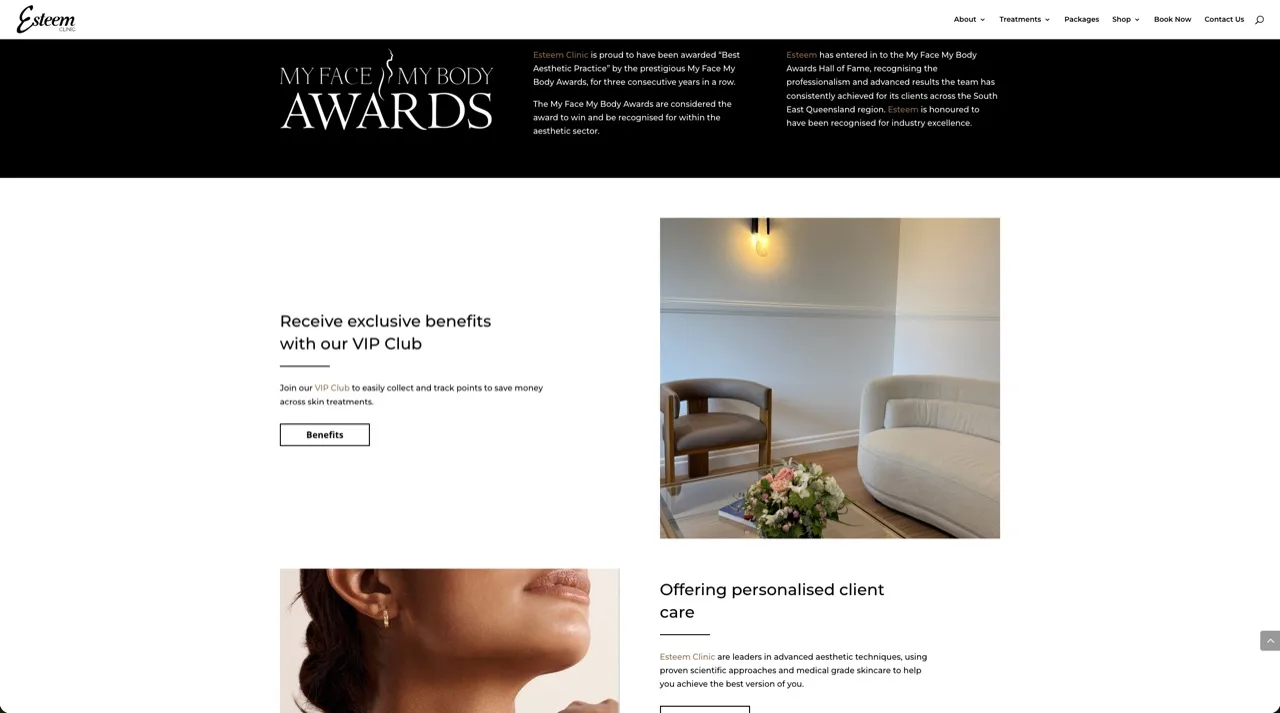

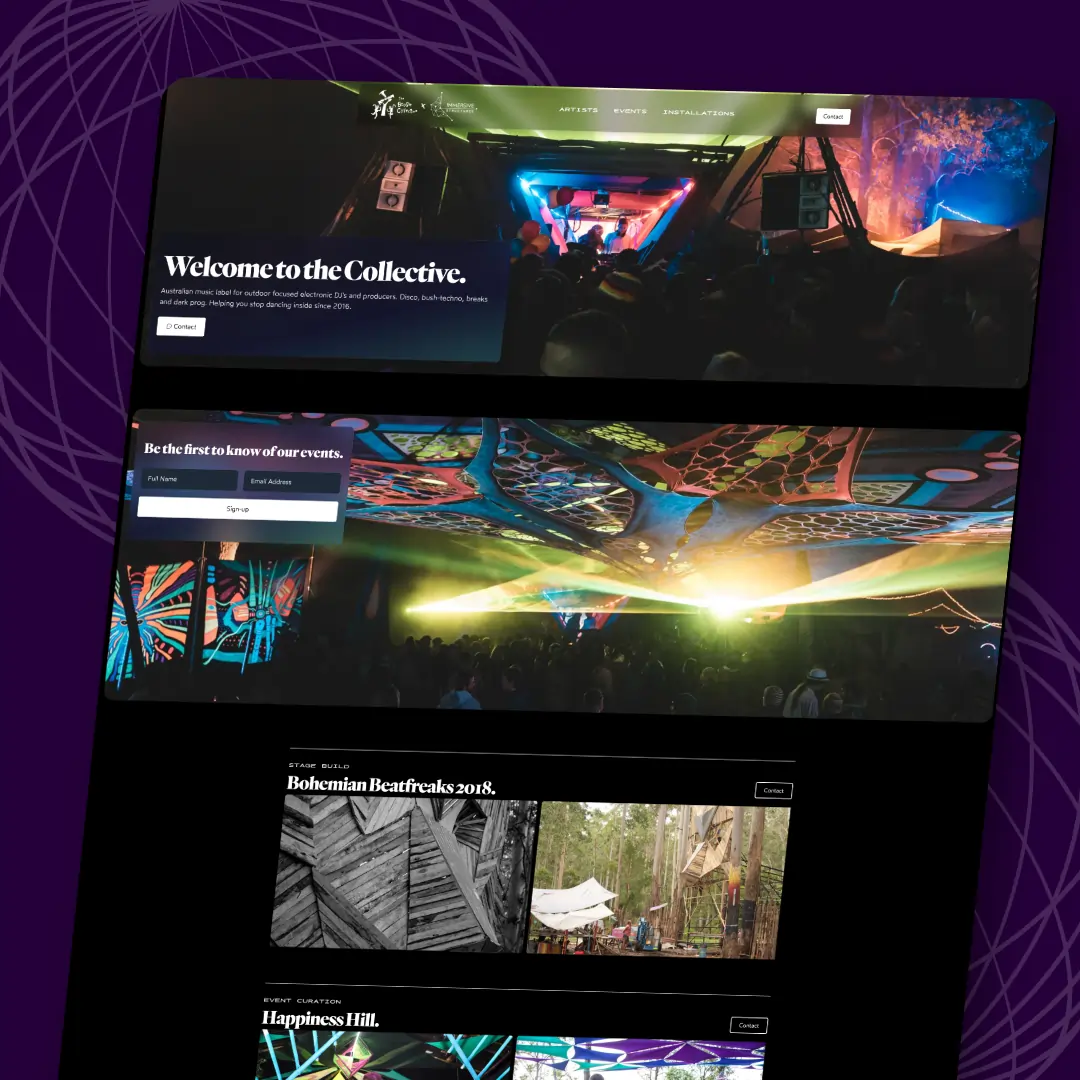
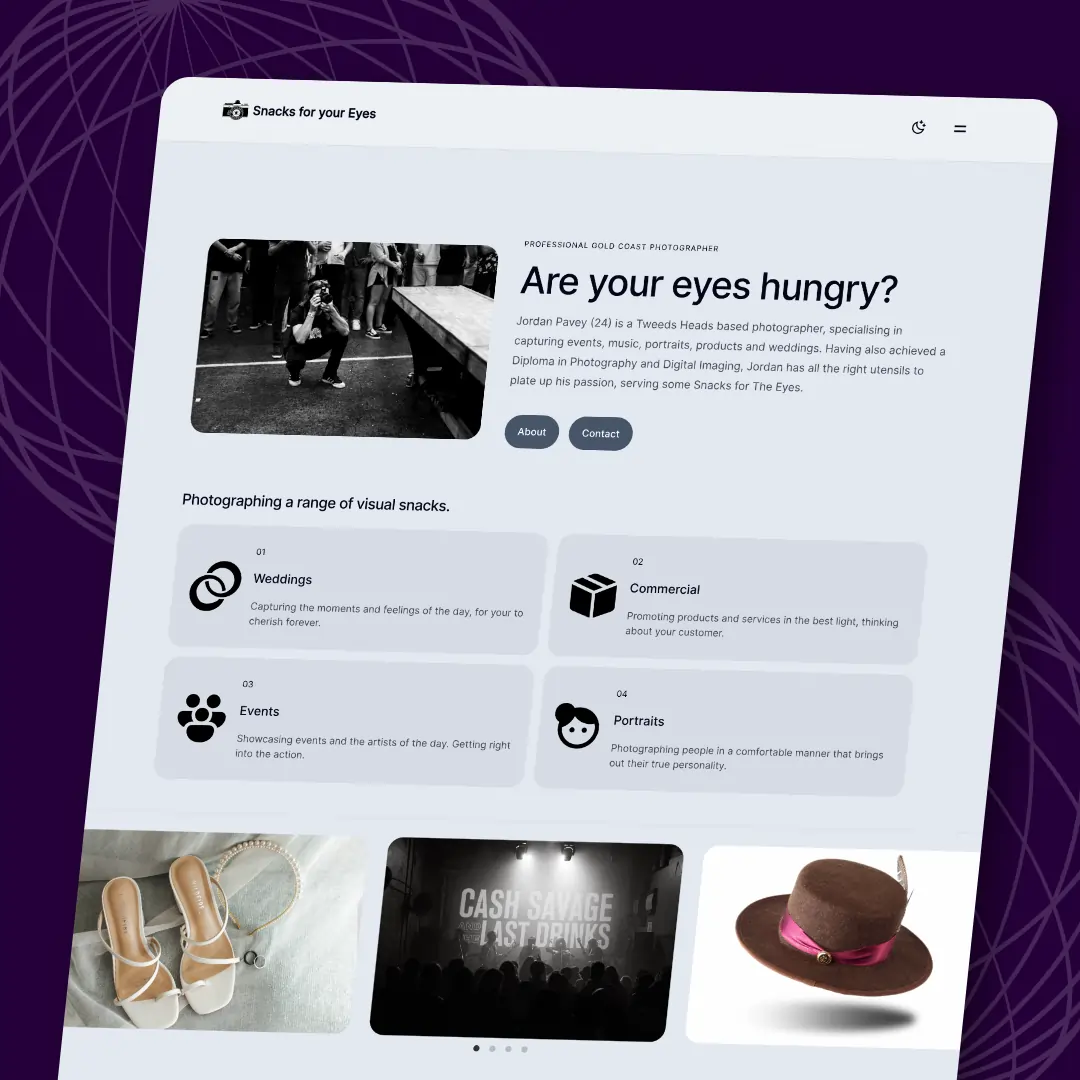

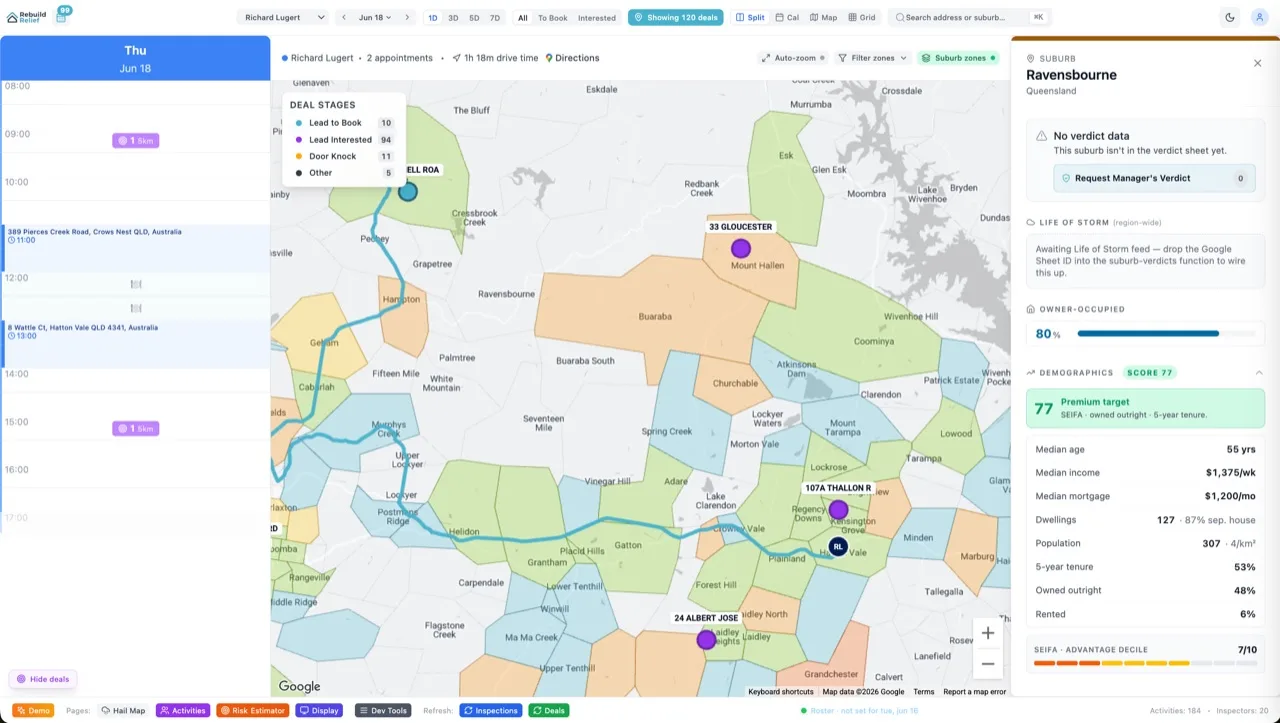
Your brand launches with a 60-slide deck, a new logo, and three months of planned content. By month two, your team is scrambling to make social graphics because the designer's freelance contract ended. By month four, someone's using Canva's free templates and hoping nobody notices they're the exact same ones 10,000 other brands use. Behold: the template kit. Aidxn builds 20–30 pre-designed social graphics per brand — 10 Instagram squares, 5 stories, 5 LinkedIn carousels, 5 Facebook covers — locked into your brand palette and typography. Your marketing team opens Canva or Affinity Publisher, swaps in copy and product shots, and publishes a cohesive graphic in five minutes. No design skills required. No "how do I make the button blue again" Slack messages. $1,200–2,500 per kit.
Why Template Kits Beat One-Off Graphics
Consistency is the cheapest brand multiplier on the market. When your Instagram feed, LinkedIn carousel, and Facebook cover all use the same typography, rhythm, and colour logic, your brand reads as intentional. Intentional brands get followed, shared, and remembered. One-off graphics, by contrast, require a designer for every single post — unsustainable for any team that ships more than two graphics per month.
The math: one custom graphic costs $150–400 in freelancer time (2–4 hours). A template kit costs $1,500 upfront but pays for itself after 4–6 posts. Beyond that, it's infinite posts for zero additional design cost. Plus, your non-designer team actually ships. They don't wait for the designer. They don't water down messaging while waiting three days for an asset. They own the publishing rhythm.
Template Kit Anatomy — What You Get
A full kit spans every social platform and post type your brand uses. Instagram gets the most: 10 square templates for feed posts (1080×1080px), 5 stories (1080×1920px with safe zones marked). LinkedIn carousels (5–10 slides, each 1200×628px, stacked with data viz or quotes). Facebook covers (820×312px, or the vertical feed option at 1080×1080px). Each template includes editable layers, locked palette swatches, and a typography guide so non-designers don't accidentally use Comic Sans.
Affinity Publisher is my go-to for kit design — native CMYK, parametric document presets, and batch-export to PNG/JPEG/PDF. Canva wins if your team is non-technical and likes the browser-first workflow. There's a tradeoff: Canva templates are easier to edit but less flexible for complex layouts. Affinity templates are pixel-perfect but require a desktop app.
The Catch — Maintenance & Real-World Friction
Templates aren't fire-and-forget. If your brand refreshes in 12 months (new secondary colour, new font pairing), every template needs a pass. If you launch five new product lines and none fit your existing layouts, you're asking for kit expansion ($400–600 per 5–10 new templates). Plan for an annual audit and treat templates as a living system, not a static asset.
The Verdict
Template kits are the ROI play for brands that actually publish consistently. If you ship one graphic per month, don't bother — freelance-as-you-go. If you're shipping 10+, a kit frees your designer and turbocharges your team's output. Ready to build templates that your team will actually use? Check Aidxn Design pricing for template kit projects, or explore the design-tool tradeoffs in our guide to Affinity vs Figma for brand systems.