


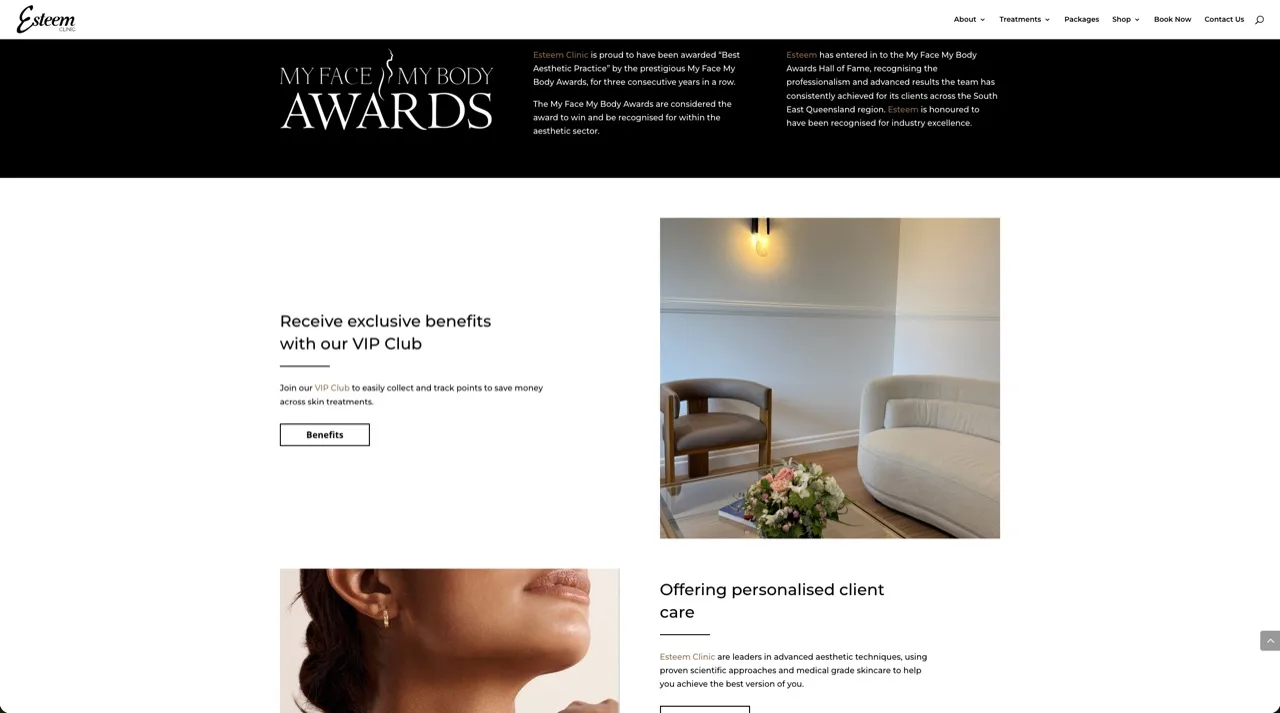

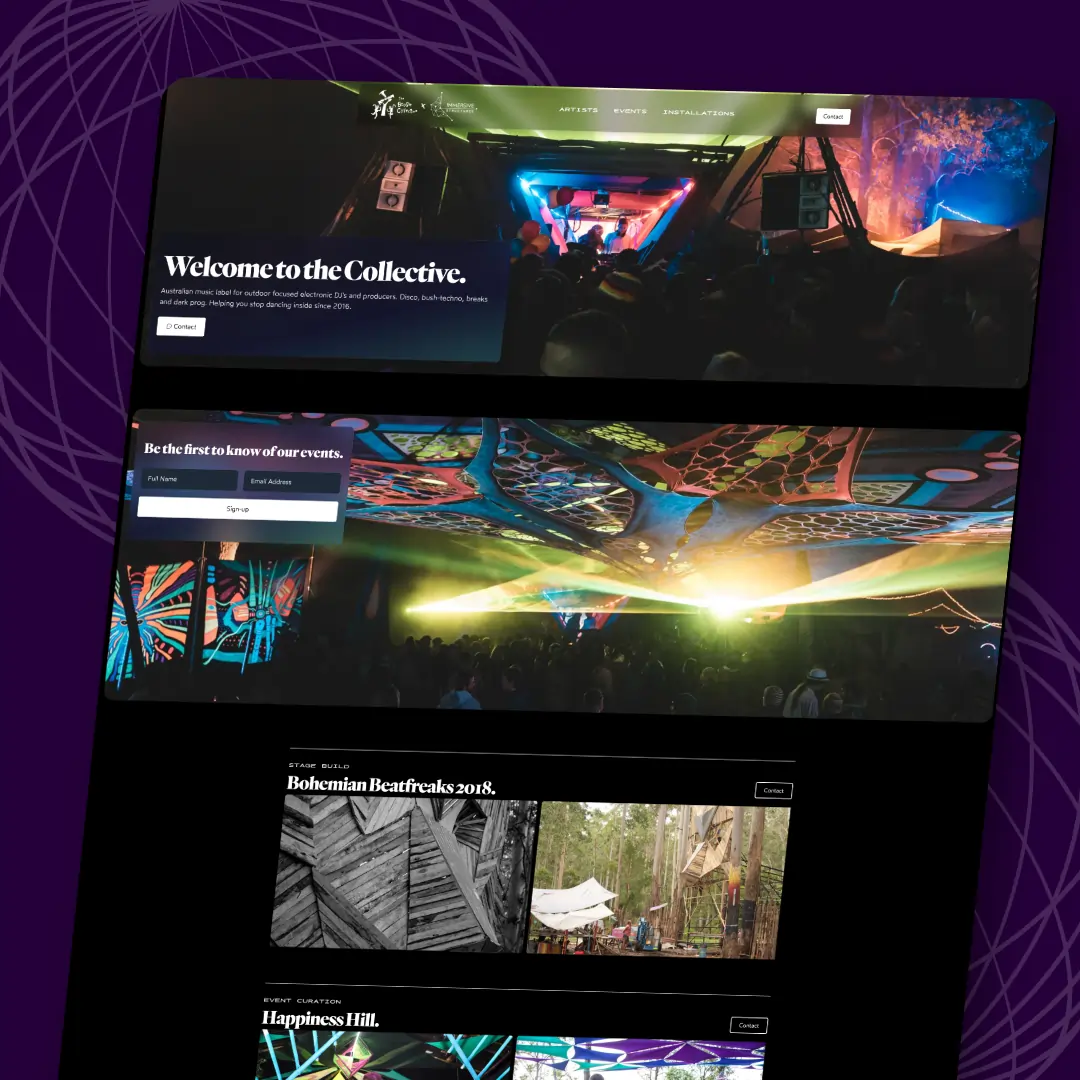
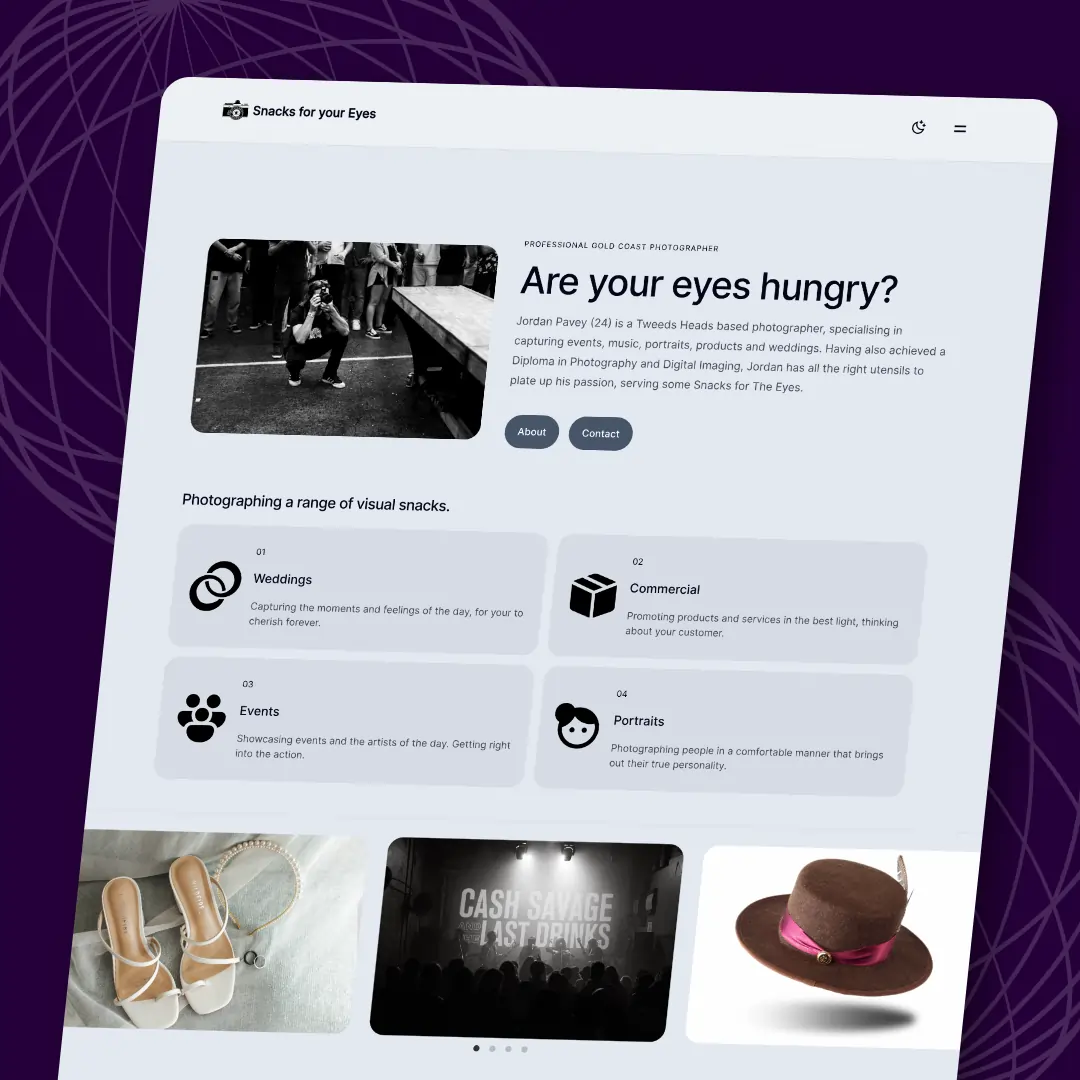

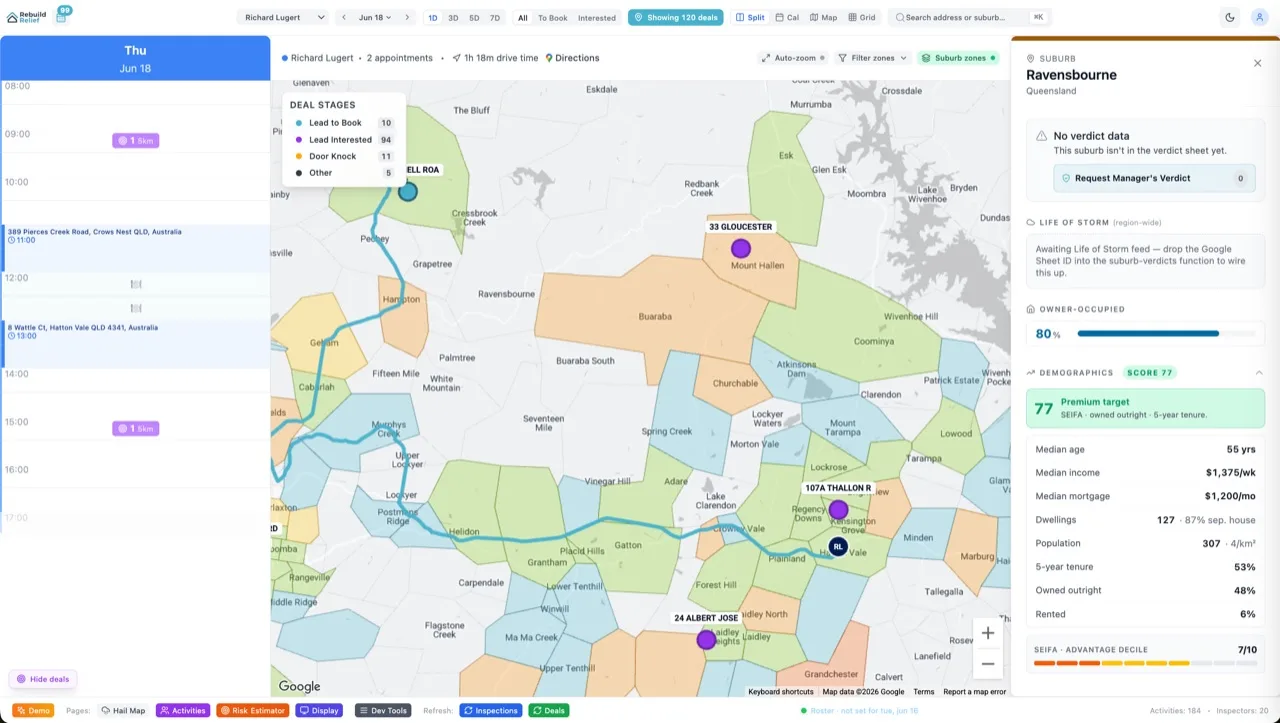

Velocity X is a buy-once Astro template for business websites. It started as a design-forward Figma-to-Astro port in 2024, but something shifted in the last 18 months. AI coding became collaborator-grade. GitHub repo transfer became a selling point. Claude context windows stopped being a constraint. So we rebuilt it for the 2026 buyer: someone who wants a real codebase, wants to own the code, and wants to iterate using AI in plain English.
Here's what changed and why it matters.
Upgrade One: Your GitHub Repo, Transferred on Purchase
The old Velocity model (and most template companies) kept the repo on the agency side. You got a "copy" of the site, hosted somewhere. Changes meant filing a ticket, waiting for a developer, paying for revisions.
That model made sense when the buyer couldn't code. It doesn't anymore. If you're going to iterate with Claude, you need the actual production source code in your GitHub account. Not a licensed copy. Not a "managed instance". The real codebase, every file, yours to fork, yours to hand to a different developer, yours to feed into Claude Code.
Velocity X now transfers the GitHub repo to your account on purchase. You clone it to your laptop. You feed the whole tree to Claude. You get PRs. You review them. You merge to main and Netlify ships it. There's no SaaS dashboard, no "managed updates", no lock-in.
Upgrade Two: brand.json as Your AI Model Context
Claude works by pattern-matching. If your brand information is scattered across 20 components, 3 CMS dashboards, and a Google Doc, Claude has to guess. After 10 AI edits, your homepage says "we're a B2B route-planning CRM" and the pricing page says "we're a SaaS marketing platform". Drift.
Velocity X now ships with a canonical brand.json file. It holds the business name, tagline, voice rules, colour palettes, pricing tiers, audience descriptors, value propositions in three lengths, social links, and Stripe URLs. Every component reads from it. Every AI assistant working on your site reads from it. When you tell Claude "update the homepage tagline to sound more confident", Claude reads brand.json, follows the voice rules, and produces copy that matches the rest of the site.
You can see the full pattern in the brand.json documentation post. The idea is simple: make your brand machine-readable so your AI tools don't drift.
Upgrade Three: Netlify CI/CD Pre-Wired
Iteration speed is the superpower in 2026. You ask Claude for a change. Claude writes code and opens a PR. GitHub Actions runs your tests. Netlify builds a preview on a unique URL. You click the link, see the live page, and decide. If it's wrong, reject. If it's right, merge. Production deploys automatically.
The old template had manual steps. Connect GitHub to Netlify yourself. Configure environment variables. Understand branch deployment rules. For a technical founder, it's a weekend task. For someone who just wants a website, it's friction.
Velocity X now comes with Netlify CI/CD pre-configured. Push to GitHub, preview builds automatically. Merge to main, production updates. One-click rollback if something breaks. The workflow that makes AI iteration safe is already wired.
What This Enables: "Describe, Get PR, Review, Ship"
Put these three upgrades together and here's what happens. You own the repo. Claude has access to your brand context. Netlify watches your branches. You can iterate like this:
"Add a new pricing tier called Enterprise with annual discounts. Update the pricing page, the header nav, the pricing table on the homepage, and the CTA copy so it mentions annual plans."
Claude reads brand.json and the pricing page template. It sees how the current tiers are structured in JSON. It creates a new JSON entry for Enterprise. It updates the homepage copy to match your voice rules. It opens a PR. Netlify builds a preview. You visit the unique URL, see the new tier live with real data, real styling, real layout. Two minutes to decision. If it looks right, you hit merge. If it's slightly off, you request changes in English. Claude refines. You merge.
Without the repo ownership, without brand.json, without automatic previews, the same task takes a week and costs $1,500.
Frequently Asked Questions
What if I don't want to use Claude? Can I still use Velocity X?
Absolutely. The template is designed to work with AI, but it works just as well with a human developer or on your own. You have the codebase. You can modify it however you want. The buy-once pricing means you own it forever, whether you iterate with AI or hire developers or both.
Do I need to know how to code to use Velocity X?
For the initial setup (cloning the repo, connecting to Netlify, setting env vars) you need either a technical co-founder or a developer for a weekend. For day-to-day edits after that — updating copy, adding new pages, changing pricing tiers — no. You describe changes in English, Claude executes them, you review and merge.
How is this different from Webflow or Squarespace AI features?
Webflow's AI operates inside their dashboard. The site doesn't live in your GitHub repo. You can't clone it to your laptop and modify it with Claude Code. You're paying monthly to rent a website you don't fully control. Velocity X is the opposite: the code is yours, forever, for a single payment. No subscription. No platform lock-in.
What if I want to move to a different developer later?
Your developer clones the repo from your GitHub account. They make changes. They push. Done. No vendor lock-in, no "migration fee", no losing access to your own code. The codebase is standard Astro, which means any Astro developer can work on it. No special Velocity-only knowledge required.
Can I really describe complex edits and have Claude do them?
Yes, with one caveat: the briefer you are, the better the result. "Add a new service page for commercial cleaning with a photo gallery" works. "Make the site feel more premium" doesn't (too vague). Tell Claude what to build, not how it should feel, and the PR you get will be production-ready.
What's the catch?
The catch is that this model requires you to be comfortable with GitHub and git basics. If that's not you, you need a developer in the loop. The other catch is that Velocity X is built on Astro, not WordPress. If you need plugins for a membership system or email list, you need to build custom integration (or use Supabase). For a clean, performance-first, AI-native business site, there is no catch.
The Bottom Line
Velocity X 2026 is built for a buyer who's tired of SaaS website lock-in and ready to own their codebase. Three concrete upgrades — repo ownership, brand.json context, automated previews — make the iteration loop tight enough that AI becomes a legitimate day-to-day tool. You describe what you want. Claude builds it. You review it live. You ship it. Rinse and repeat until your website is exactly what you want, without waiting for developer availability or paying per-revision fees.
If that's you, check the pricing. If not, no worries — the template is designed to be bought once and kept forever, whether you iterate with AI or hire help.